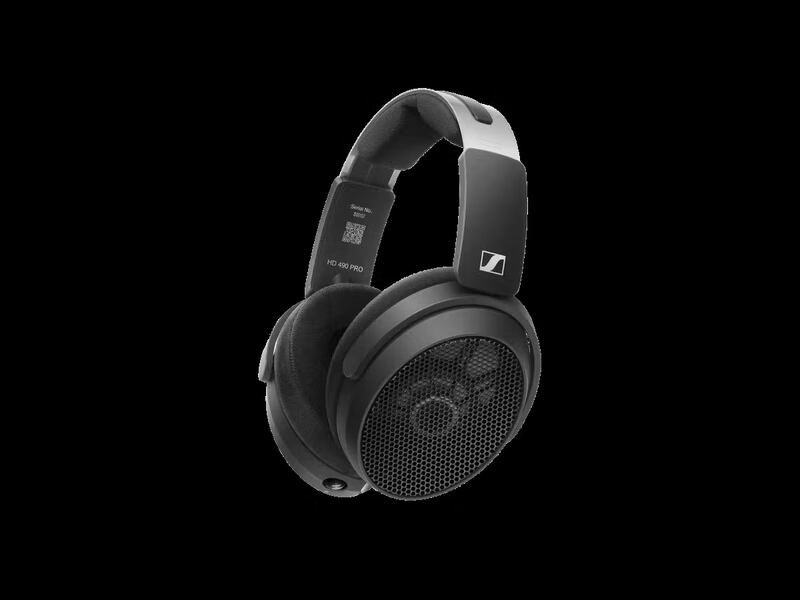
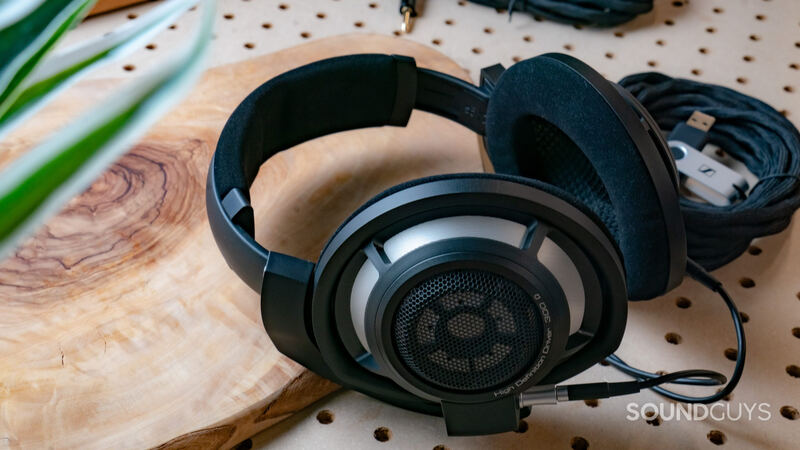
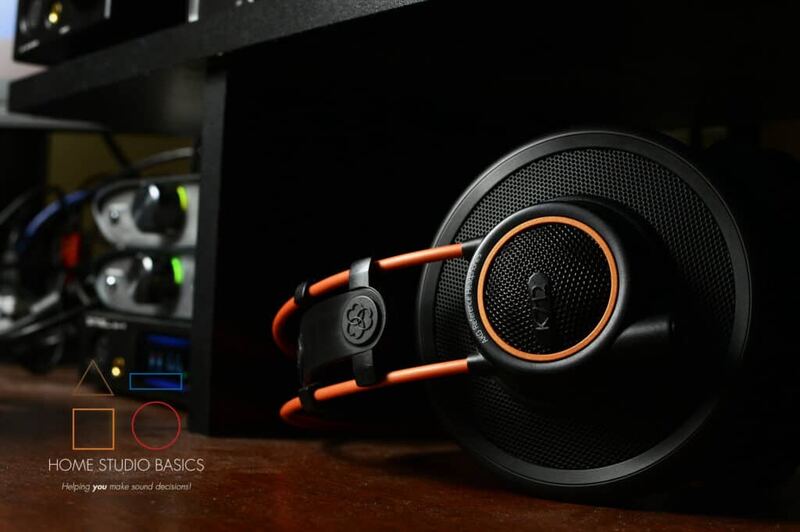
The Sennheiser HD 650 remains a benchmark reference headphone with its 42mm dynamic drivers and 300 ohm impedance delivering exceptional accuracy and musicality. Reviewers consistently praise its natural sound signature and build quality, though its high impedance means it requires a quality amplifier to fully realize its potential. While the proprietary cable connections may limit compatibility, the HD 650 continues to be considered a classic choice for audiophiles seeking neutral, transparent sound reproduction.
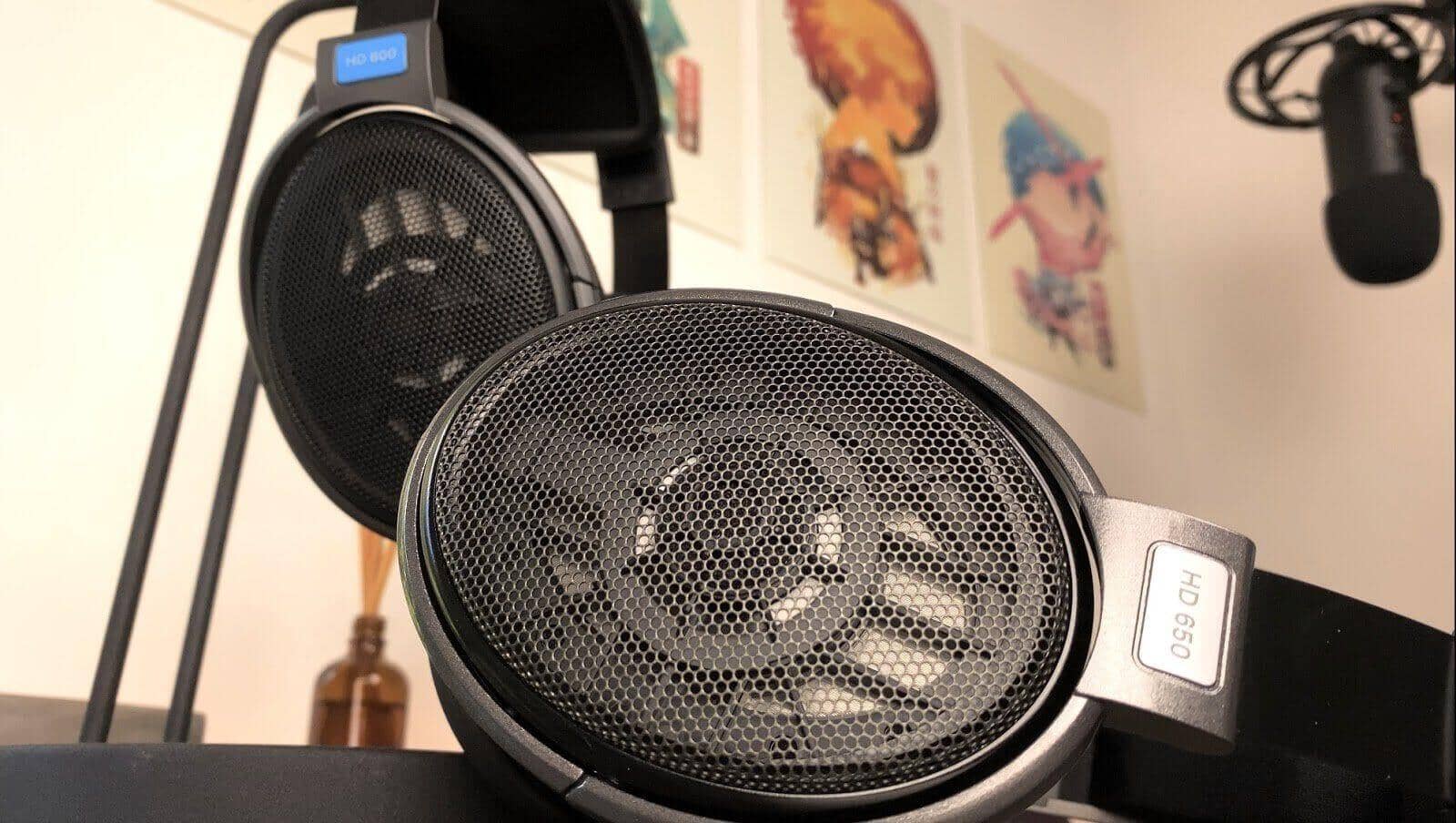
Full review
Open-back design and acoustic characteristics
The Sennheiser HD 650 employs an open-back circumaural design that creates a distinctive soundstage with significant spatial awareness. This configuration allows sound to escape from the earcups, which results in less external sound leakage compared to closed-back models but also means the headphones provide minimal isolation from ambient noise. The open-back construction contributes to a sense of airiness and spaciousness in the audio presentation, with many reviewers noting that this design creates a more speaker-like listening experience.
The frequency response characteristics of the HD 650 reveal a notably smooth and laid-back presentation in the upper midrange and treble regions. Measurements indicate that the headphones deliver a relatively flat response with only modest peaks in the high frequencies, which contributes to their overall musicality and reduced listening fatigue. The sub-bass extension is limited, with Sonarworks noting that frequencies below 100 Hz are not well reproduced. This characteristic is particularly relevant for mixing applications where low-frequency content needs to be accurately represented. The headphones' ability to reproduce subtle details in the midrange and high frequencies makes them suitable for critical listening tasks.
The open-back design also introduces challenges in terms of sensitivity and power requirements. The HD 650 has an impedance of 297 ohms and a sensitivity of 102 dB, which means they require a dedicated headphone amplifier to achieve optimal performance. Direct connection to portable devices or laptop audio outputs typically results in insufficient volume levels. Reviewers have emphasized that while these headphones can be driven by high-quality audio interfaces, they are not well-suited for direct connection to consumer-grade devices without amplification. The cable design uses a split Y-style configuration with four wires to better isolate the left and right drivers, which reduces crosstalk and improves channel separation compared to traditional three-wire designs.
Comfort and physical build quality
Comfort levels vary among users, with the HD 650 featuring a relatively light weight of 260 grams without cable. According to NwAvGuy, the earpads are covered with breathable velour material that helps combat sweating during extended listening sessions. The headband is designed to provide good clamping pressure, though some users find this pressure uncomfortable after prolonged use. Reviewers have noted that the initial clamping force can be quite firm, but adjustments can be made by carefully bending the metal portions of the headband to reduce pressure. The foam in the earpads softens over time, improving comfort with extended use. The overall build quality is described as sturdy, with consistent manufacturing standards, though long-term durability may be affected by frequent use, particularly in the headband and earpad components.
The overall design appears conventional but functional, with attention to detail in the materials used for comfort and durability.
Manufacturing consistency is generally praised, with the headphones being described as well-built and reliable. However, some reviewers have noted that parts may need replacement after several years of frequent use, particularly the headband which may become looser over time. The earpads will require replacement as with any headphones used for critical work. The headphones are designed to fit well across different head sizes and shapes, though larger heads may initially find the clamping force somewhat tight. The overall comfort level improves with use as the materials break in and conform to individual preferences.
Soundstage and imaging performance
The soundstage produced by the HD 650 is widely described as spacious and immersive, with a sense of airiness that distinguishes it from more enclosed headphone designs. Reviewers have noted that the open-back construction creates a more speaker-like presentation, with instruments and vocals positioned with clear spatial separation. This characteristic is particularly beneficial for mixing and mastering applications where accurate spatial information is crucial. The headphones demonstrate excellent channel balance, with minimal differences between left and right drivers that maintain consistent imaging across the frequency spectrum. The soundstage extends well beyond the physical boundaries of the headphones, creating a sense of depth and width that many users find appealing.
Imaging accuracy is highlighted as one of the strongest features of the HD 650, with many reviewers noting that the headphones provide a consistent and reliable representation of audio sources. The ability to accurately place instruments within the soundstage is particularly praised, with the headphones showing minimal channel inconsistencies. The open-back design contributes to a natural sense of space and dimensionality, allowing listeners to perceive subtle details in the audio presentation. The headphones' ability to maintain consistent imaging across different types of music genres is noted, with classical, jazz, and acoustic recordings particularly benefiting from the spacious presentation. The absence of significant phase issues or timing discrepancies contributes to the overall coherence of the soundstage.
The spatial characteristics of the HD 650 are particularly valuable for professional applications where accurate representation of audio sources is essential. The headphones' ability to create a sense of three-dimensional space is enhanced by their open-back design, which allows for natural sound diffusion. This characteristic is especially beneficial for mixing tasks where engineers need to understand how different elements of a mix interact with each other. The headphones' ability to maintain consistent imaging across different listening positions is also noted, with minimal changes in the soundstage when the headphones are adjusted slightly. The overall spatial presentation contributes to the headphones' reputation as reference-grade equipment for critical listening.
Frequency response and tonal balance
The frequency response of the HD 650 is characterized by a relatively smooth and neutral presentation, with only modest peaks in the high frequencies. The headphones deliver a flat response that is well-suited for critical listening and mixing applications. Measurements indicate that the frequency response is within a respectable 10-dB range, with the sub-bass extension being limited to frequencies below 100 Hz. The midrange is described as well-defined and articulate, with excellent clarity for vocals and instruments. The treble region is noted for its smoothness and lack of harshness, which contributes to reduced listening fatigue during extended sessions.
The tonal balance is described as laid-back and musical, with a preference for smoothness over analytical sharpness. This characteristic makes the headphones particularly suitable for extended listening sessions, as they are less fatiguing than more analytical headphone designs. The bass response is described as round and well-situated in the overall balance, though some reviewers note that the sub-bass extension is lacking. The frequency response is particularly praised for its consistency across different listening positions and the minimal differences between left and right channels.
The headphones' frequency response characteristics are noted to be particularly beneficial for mixing and mastering applications where accurate representation of audio sources is essential. The relatively flat response allows engineers to make informed decisions about EQ and processing without being influenced by the headphones' inherent coloration. The absence of significant peaks or dips in the frequency response contributes to the headphones' reputation as reference-grade equipment. The smoothness in the treble region is particularly appreciated by reviewers who find it reduces listening fatigue during long sessions. The overall tonal balance is described as natural and musical, with a preference for warmth over harshness.
Professional application suitability
The HD 650 is widely recognized as suitable for professional mixing and mastering applications, with many reviewers noting its ability to provide accurate and consistent sound reproduction. The headphones' open-back design and neutral frequency response make them particularly valuable for critical listening tasks where engineers need to understand how different elements of a mix interact with each other. The headphones' ability to maintain consistent imaging and soundstage across different listening positions is noted as particularly beneficial for professional use. The lack of significant channel inconsistencies contributes to the headphones' reliability in professional environments where accuracy is paramount.
The headphones' performance in professional settings is enhanced by their ability to reveal subtle details in audio sources without adding coloration to the sound. Reviewers have noted that the HD 650's smooth and musical presentation makes them suitable for extended mixing sessions, as they are less fatiguing than more analytical designs. The headphones' ability to reproduce low-frequency content with sufficient authority is particularly valuable for mixing applications where bass content needs to be accurately represented. The open-back design allows for natural sound diffusion, which contributes to the headphones' reputation as reference-grade equipment for critical listening.
The professional suitability of the HD 650 is further enhanced by its ability to work well with a variety of audio interfaces and amplification setups. The headphones' impedance and sensitivity characteristics make them compatible with high-quality audio interfaces and dedicated headphone amplifiers, which are typically required for optimal performance. The headphones' ability to maintain consistent performance across different amplification setups is noted as particularly valuable for professional applications where multiple systems may be used. The overall design and build quality contribute to the headphones' reliability in professional environments where durability and consistent performance are essential.
Comparison with HD 600 and HD 800
The HD 650 represents an evolution from the HD 600, with many reviewers noting that the newer model offers a more forward and aggressive sound profile. The bass response in the HD 650 is described as more forward and alive compared to the HD 600's more laid-back presentation. Tape Op notes the upper-midrange frequencies received a boost, resulting in a more immediate and closer sound for instruments like horns, voices, and electric guitar. Tape Op found the treble region slightly less refined and sparkling compared to the HD 600, though this is attributed to the change in overall frequency balance.
When compared to the HD 800, the HD 650 is described as offering a more balanced approach between the two models. The HD 800 is noted for its more impressive performance and higher price point, though the HD 650 is described as being more practical for most users due to its price point and suitability for extended listening sessions. The HD 650's open-back design is described as providing a more speaker-like presentation compared to the HD 800's more enclosed characteristics. The HD 650's ability to provide accurate and consistent sound reproduction makes it suitable for critical listening tasks, while still maintaining a musical and enjoyable listening experience.
The differences between the HD 600 and HD 650 are described as being subtle but noticeable, with the HD 650 offering a more engaging and immediate sound. The HD 650's bass response is noted to be more forward and authoritative, while the HD 600's presentation is described as more laid-back and smooth. The HD 650's treble is described as slightly less refined, which contributes to its more engaging character. The HD 650's ability to provide a more dynamic and exciting presentation makes it suitable for both critical listening and enjoyable music consumption. The overall performance characteristics of the HD 650 are described as making it a more versatile option for users who need both accuracy and musicality.
Durability and long-term performance
The durability of the HD 650 is described as generally good, with the headphones being built to last with proper care and maintenance. The construction quality is noted as being consistent with Sennheiser's reputation for reliable audio equipment. The materials used in the build are described as sturdy enough to withstand regular use, though some reviewers have noted that parts may need replacement after several years of frequent use. The headband may become looser over time, and the earpads will require replacement as with any headphones used for critical work. The overall build quality is described as well-executed, with attention to detail in the materials used for comfort and durability.
Long-term performance characteristics are described as being generally consistent, with the headphones maintaining their sound quality over extended periods of use. The ability to maintain consistent performance across different listening positions is noted as particularly valuable for professional applications. The headphones' ability to maintain their frequency response and channel balance over time is described as excellent, with minimal degradation in performance. The open-back design is noted to be durable, with the mesh construction and materials holding up well to regular use. The cable system is described as being robust enough to withstand regular handling and replacement when needed.
The longevity of the HD 650 is described as being quite good, with many reviewers noting that the headphones have maintained their performance characteristics over extended periods of use. The ability to maintain consistent performance across different amplification setups is noted as particularly valuable for professional applications where multiple systems may be used. The overall durability of the headphones is described as being in line with their price point and intended use. The headphones are noted to be suitable for both professional and personal use, with their build quality and performance characteristics making them a worthwhile investment for serious audio enthusiasts.
Value proposition and market positioning
The HD 650 is positioned as a premium reference-grade headphone with a price point that reflects its high-end status. Reviewers note that while the cost is significant, the headphones' performance characteristics justify the investment for serious audio enthusiasts and professionals. The headphones' ability to provide accurate and consistent sound reproduction makes them suitable for critical listening tasks where accuracy is paramount. The open-back design and neutral frequency response contribute to the headphones' reputation as reference-grade equipment for mixing and mastering applications.
The value proposition of the HD 650 is enhanced by its ability to provide a balanced approach between the more analytical and the more musical headphone designs. The headphones' smooth and musical presentation makes them suitable for extended listening sessions, while their accuracy and consistency make them valuable for professional applications. The headphones' ability to work well with a variety of audio interfaces and amplification setups enhances their versatility and value. The overall performance characteristics are described as making the HD 650 a worthwhile investment for users who need both accuracy and musicality in their listening experience.
The market positioning of the HD 650 is described as being in the premium reference class, with the headphones competing against other high-end models in the same category. The overall value proposition is described as being strong for users who require both accuracy and musicality in their listening experience, with the headphones' performance characteristics justifying their premium price point.
Strengths
- +Nominal impedance of 30/300 ohms provides excellent compatibility with high-end amplifiers
- +Iconic plastic design with spring steel headband offers comfortable long-term wear
- +Natural and musical sound signature praised by audiophiles for its neutrality and transparency
Watch-outs
- −Cable termination uses proprietary connectors that may limit compatibility with some devices
- −Lack of isolation and sound leakage
How it compares
The HD 650 offers unmatched neutrality and build quality compared to the HD 490 Pro, which has less neutral high-mids and treble. While the HD 490 Pro provides better sub-bass extension, the HD 650's 300 ohm impedance and proprietary connectors make it more suited for audiophiles with high-end amplifiers, unlike the more versatile LCD-X or K-712 Pro.
Rating sources
“Their sound is sublime with an awe-inspiring, almost ethereal quality. The frequency-separation is fantastic with huge sense of "space" in the sound field.”
“Sennheiser HD 650 – Long Live The King! It's hard to overstate the importance of the Sennheiser HD 650.”
“I ultimately chose the HD 650 over the HD 600 because, to my ears, its the more pleasant of the two for extended listening with typical source material.”
Our 4.4 score is the average of the 4 scored reviews above; 5 more reviewed it without printing a score and are not in the average. Ratings marked * were derived from the reviewer’s written analysis or video transcript — the publisher didn’t print an explicit numeric score, so we inferred one from their own words. Click through to verify. More about methodology.