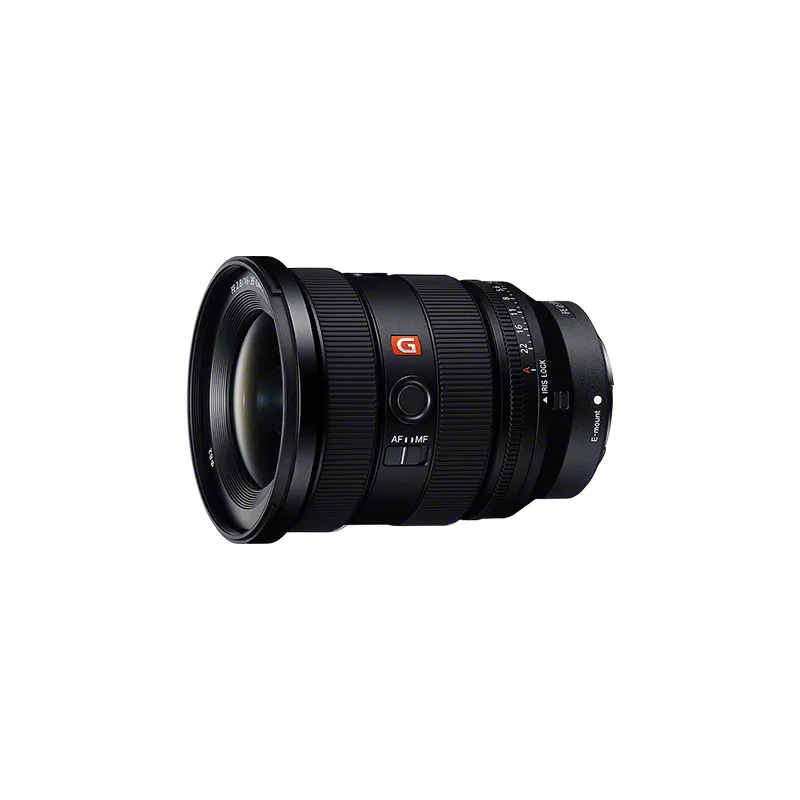
Sony's second-generation 16-35mm f/2.8 G Master completes the pro f/2.8 zoom trinity for E-mount and sets the bar for the class. It is dramatically lighter than its predecessor, delivers some of the most consistent wide-angle sharpness reviewers have tested, and focuses almost instantly. The price and some flare-related ghosting are the only real reservations.
Full review
Consistent sharpness even on 61-megapixel bodies
Across the reviewers who put the FE 16-35mm F2.8 GM II through the lab and the field, the recurring word is consistency. OpticalLimits, who scored the lens 8/10 (Highly Recommended), found it produced impressive resolution figures in the lab with excellent center performance at f/2.8 and strong sharpness from the wide to mid focal lengths, softening only slightly at 35mm. Dustin Abbott went further, calling it the most consistent performance he had ever seen from a wide angle zoom lens, with near-perfect image quality at the landscape apertures most buyers will actually shoot.
PetaPixel echoed that assessment, describing it as possibly one of the sharpest and most consistent wide-angle lenses ever tested. That consistency matters more than peak resolution on a wide zoom, because it means you are not hunting for a sweet spot at every focal length. The lens holds its quality across the frame and across the zoom range, which is exactly what landscape and architecture shooters need when they cannot always stop down.
Tested against high-resolution bodies like the 61-megapixel a7R series, the GM II resolves enough detail to satisfy the most demanding sensors, where lesser wide zooms start to reveal their limits in the corners. Reviewers also praised its flat field and low field curvature, traits that keep both the center of a landscape and its edges in focus on the same plane. For real-estate, interior and architectural work, where straight lines and edge-to-edge clarity are non-negotiable, that combination of resolving power and optical discipline is the lens's quiet strength.
20 percent lighter with 15 weather-sealing gaskets
The headline engineering story is weight. At 547g the Mark II is roughly 20% lighter than the original and was, at launch, the world's smallest and lightest full-frame f/2.8 wide-angle zoom. Dustin Abbott noted it didn't even feel too big for the compact a7CR camera, a meaningful comment for anyone pairing a pro zoom with one of Sony's smaller bodies. Despite shedding weight, Sony added weather sealing with 15 sealing gaskets and a fluorine coating on the front element.
OpticalLimits summarized the construction simply: the build quality is excellent but that is something you expect from a lens in this price class. The barrel mixes engineered plastics on a metal mount with tight assembly and smooth control rings, plus an 11-blade aperture for clean sunstars and rounded out-of-focus highlights. The one ergonomic gripe Abbott raised is a manual focus ring with a fairly sloppy feeling, which stands out against the otherwise premium feel.
Autofocus and Handling
Focus is driven by quad XD linear motors, and the consensus is that it is among the best available. Dustin Abbott put it bluntly: there is no better autofocus experience he is aware of than GM lenses so equipped on Sony's better camera bodies, describing the speed as essentially instantaneous and the accuracy as exceptional. For run-and-gun video and fast-moving events, that responsiveness is a real advantage over the third-party alternatives in this list.
A 0.22m minimum focusing distance across the entire zoom range, paired with 0.32x maximum magnification, lets you push close to a foreground subject while the 16mm field of view throws the background dramatically away. That close-focus capability is unusually strong for a wide zoom and expands the lens's creative range well beyond conventional landscape work.
Purple ghosting even at f/8
The most repeated complaint is flare-related ghosting. PetaPixel found that even shooting at moderate apertures like f/8 caused distracting ghosting to appear, with what it described as obtrusive purple blobs when a bright light source sits in the frame. For astro shooters or anyone working with the sun or streetlights in the composition, that is worth testing before relying on the lens.
Distortion is the other caveat. Dustin Abbott listed complex barrel distortion at 16mm requiring around +24 of correction, and OpticalLimits measured roughly 1.6% barrel distortion at the wide end. Both are correctable in software, but the correction crops marginally into the frame. And then there is the price: at $2,298 this is a serious investment, more than double the cost of the Tamron or Sigma options.
Third-party zooms match its sharpness for less
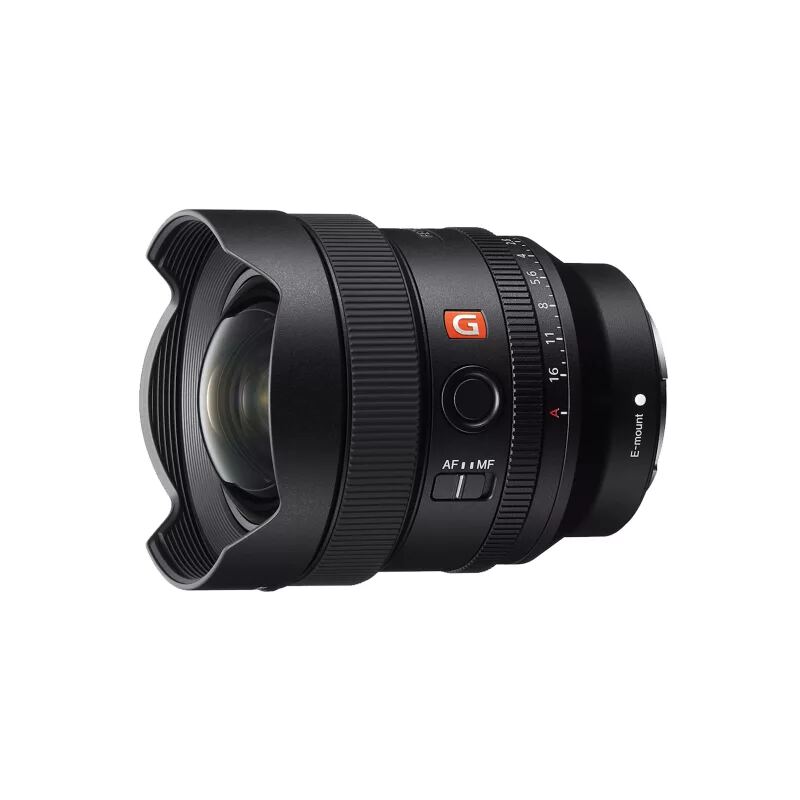
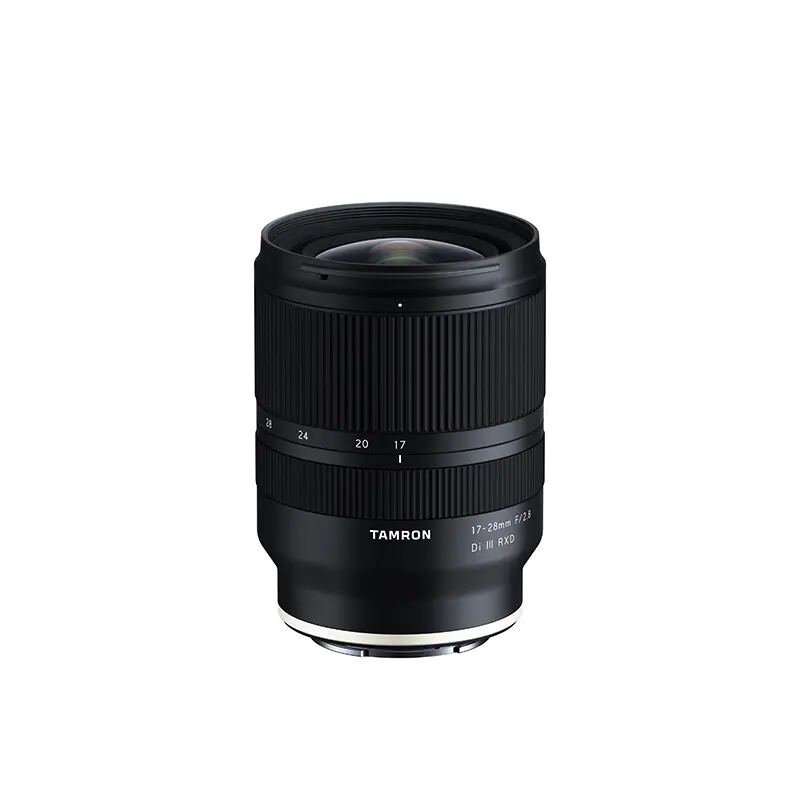
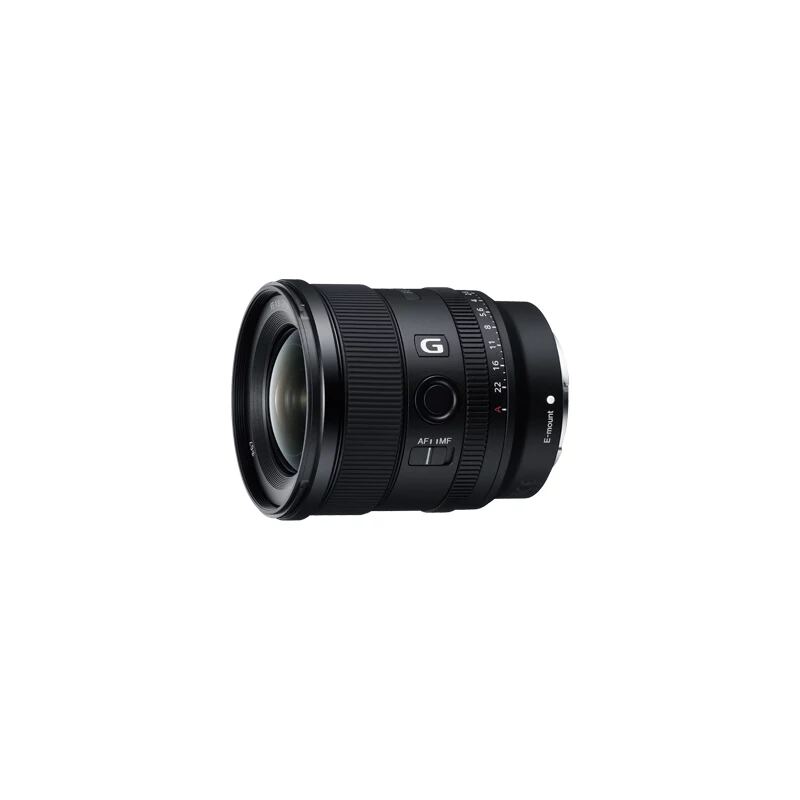
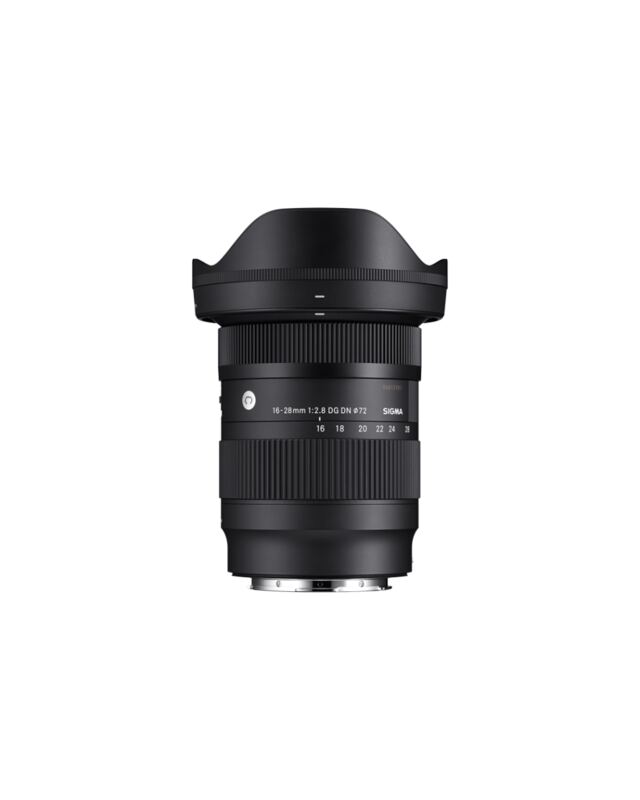
Within this group the GM II is the reference point. The Tamron 17-28mm F2.8 Di III RXD and Sigma 16-28mm F2.8 DG DN Contemporary both deliver most of its sharpness in lighter, far cheaper packages, but neither matches its autofocus speed, weather sealing, or the breadth of its 16-35mm range. The Sony FE 14mm F1.8 GM and FE 20mm F1.8 G primes go brighter and wider for astro and low-light work, but give up zoom flexibility.
If budget is no object and you want one lens that does everything a wide-angle shooter needs at the highest level, this is it. The decision really comes down to whether the roughly $1,400 premium over the third-party zooms buys enough extra performance and durability for your work.
Premium buys autofocus speed and full weather sealing
Value is the hardest part of the GM II's case to make, because the Tamron 17-28mm F2.8 Di III RXD and Sigma 16-28mm F2.8 DG DN Contemporary deliver most of the optical quality for roughly a third of the price. What you are paying the premium for is breadth of range to 35mm, the fastest and quietest autofocus in the class, comprehensive 15-gasket weather sealing, the 0.32x close-focus capability, and the confidence that the lens will hold up to professional daily use. For a working photographer those traits pay for themselves; for a hobbyist shooting landscapes from a tripod, they may not.
It is worth framing the cost against Sony's own line as well. The GM II is the wide member of a three-lens pro f/2.8 trinity, and buyers who already own the 24-70mm and 70-200mm GM lenses will value the consistency in handling, filter sizes and rendering across the set. As a standalone purchase the price is steep, but as the final piece of a professional system it is the logical choice.
Video and Hybrid Use
Sony designed the GM II with hybrid shooters in mind, and the practical details show it. The reduced weight makes the lens far more gimbal-friendly than the original, focus breathing is well suppressed, and the near-silent XD linear motors keep autofocus noise out of in-camera audio. The de-clickable aperture ring and smooth zoom action also suit video work where manual control of exposure and framing matters during a take.
Reviewers shooting hybrid found the lens balanced nicely even on smaller bodies, and the 16mm wide end is genuinely useful for vlogging, establishing shots and tight-interior video. Combined with the flare-handling caveats noted earlier, the lens is best treated as a strong all-round hybrid wide that rewards a quick flare test in mixed lighting but otherwise performs at the top of the class for moving images as well as stills.
Built for professionals who shoot the full range
This lens is for the photographer or hybrid shooter who earns from the camera, or who simply demands the best and will use the full focal range. Wedding and event shooters benefit from the fast, silent autofocus; landscape and architecture photographers benefit from the corner-to-corner consistency; videographers benefit from the light weight and smooth controls. The 0.32x magnification also opens up dramatic wide-angle close-ups that the slower third-party zooms handle less elegantly.
If you mostly shoot landscapes from a tripod at f/8 to f/11, the cheaper Sigma 16-28mm will get you most of the way there for under half the price. But if you need the speed, the sealing, and the reach to 35mm in a single lens, the GM II justifies its place on this list. It is the lens to buy when reliability and outright performance matter more than the price tag.
Strengths
- +The most consistent wide-angle zoom optical performance reviewers have measured, sharp corner-to-corner from f/2.8
- +About 20% lighter than the Mark I at 547g, the world's smallest and lightest full-frame f/2.8 wide zoom at launch
- +Quad XD linear motors deliver essentially instantaneous, near-silent autofocus on Sony's better bodies
- +Advanced weather sealing with 15 sealing gaskets plus a fluorine front coating
- +0.22m minimum focus across the zoom range with 0.32x magnification for dramatic close-foreground framing
Watch-outs
- −At $2,298 it is far pricier than the Tamron and Sigma f/2.8 alternatives
- −Complex barrel distortion at 16mm needs a heavy correction profile (around +24)
- −Ghosting and purple blobs can appear shooting toward bright light sources, even stopped down to f/8
- −The manual focus ring has a comparatively loose, sloppy feel
How it compares
It is the sharpest and best-built option here, but at $2,298 it costs more than twice the Tamron 17-28mm F2.8 Di III RXD or Sigma 16-28mm F2.8 DG DN Contemporary, which deliver most of the optical quality for far less. Unlike the Sony FE 14mm F1.8 GM and FE 20mm F1.8 G primes, it covers a flexible 16-35mm range in one lens.
Rating sources
“The FE 16-35mm f/2.8 GM II produced impressive resolution figures in the lab.”
“The 16-35mm F2.8 GM II has the most consistent performance I've ever seen from a wide angle zoom lens.”
“This might be one of the sharpest and most consistent wide-angle lenses I've ever tested.”
Our 4.3 score is the average of these published ratings. Ratings marked * were derived from the reviewer’s written analysis or video transcript — the publisher didn’t print an explicit numeric score, so we inferred one from their own words. Click through to verify. More about methodology.