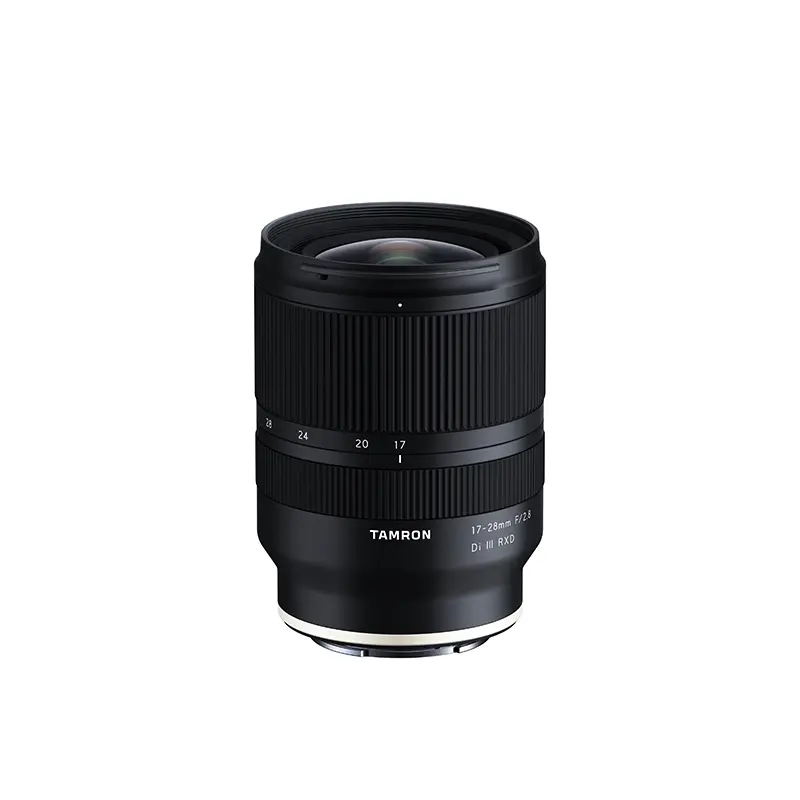
The Tamron 17-28mm F2.8 Di III RXD is the value champion of fast Sony wide zooms. It combines near-G-Master center sharpness with a genuinely pocketable 420g body and a constant f/2.8 aperture, all for under $900. The compromises are a narrower zoom range and slightly soft close-focus corners, but as a light, weather-sealed travel wide-angle it is hard to fault.
Full review
Matches Sony GM sharpness on distant subjects
The Tamron 17-28mm built its reputation on a single surprising fact: it shoots close to G Master quality for less than half the price. The Phoblographer's review was framed around the idea that this is almost G Master sharpness, and the verdict held up, awarding the lens five stars and noting that in their experience this is almost G Master level of sharpness. Cameralabs went further on distant subjects, finding that the Tamron excels, indeed equalling or even surpassing the sharpness of the Sony GM at times.
Center sharpness is excellent at all focal lengths even wide open, and the lens shows very good resistance against flare in challenging contra-light situations. For most landscape and travel work shot at f/5.6 to f/8, the difference from a lens costing two and a half times as much is genuinely hard to see.
The Tamron's strongest showing comes on distant subjects, where Cameralabs found it could equal or surpass the Sony GM, an extraordinary result for a lens at this price. Its weaknesses are concentrated at close distances and in the extreme corners, but those are situations most wide-angle landscape and travel shooters rarely push. Reviewers also note the lens pairs especially well with Sony's higher-resolution bodies, holding up to scrutiny far better than its budget positioning would suggest and reinforcing its reputation as a genuine value standout in the E-mount catalog.
420 grams with weather sealing, no stabilization
Size is the Tamron's other headline. At 420g and about 99mm long, Cameralabs noted it felt like a lightweight prime that wasn't overly mammoth, reminding users what mirrorless cameras are supposed to be: smaller and lighter, with the lenses to suit them. That portability is the whole pitch, and it is realized without obviously cheapening the build.
The construction includes a rubber grommet at the lens mount, further weather sealing throughout, and a fluorine coating on the front element for easier cleaning, matching the standards of pricier competitors. The 67mm filter thread is shared across several Tamron mirrorless lenses, which is a small but real convenience for anyone building a Tamron kit. There is no optical stabilization, so the lens leans on the camera's in-body IS.
Autofocus and Handling
Autofocus uses Tamron's RXD stepping motor, and Cameralabs found it both fast and quiet, measuring focus acquisition of around 0.5 seconds from infinity to 0.38m and excellent 97.2% repeatability in testing. The AF operation is essentially inaudible from outside the camera, which matters for video and discreet shooting. In practice it tracks reliably and racks smoothly enough for hybrid use.
Handling is straightforward thanks to the light weight and compact dimensions, though the lens keeps things simple with no on-barrel switches or customizable buttons. It is a grab-and-go wide zoom rather than a feature-laden pro tool, and that focus on essentials is part of why it stays so small and affordable.
Zoom range stops short of 35mm
The most cited limitation is the zoom range. A 1.6x range stopping at 28mm feels restrictive next to the 16-35mm zooms, and that missing 28-35mm span is exactly the field of view many environmental and street shooters want most. If you frequently shoot at the long end of a wide zoom, the Tamron will feel cramped.
Cameralabs also flagged that the full-frame corners are a bit soft when shooting at around 1-2m distances, and that the very short roughly 6cm working distance at the wide end makes close-up framing awkward. None of these are deal-breakers for the lens's intended use, but they define where it is less suited than the more expensive, more flexible alternatives.
Undercuts the Sony GM II by 1,400 dollars
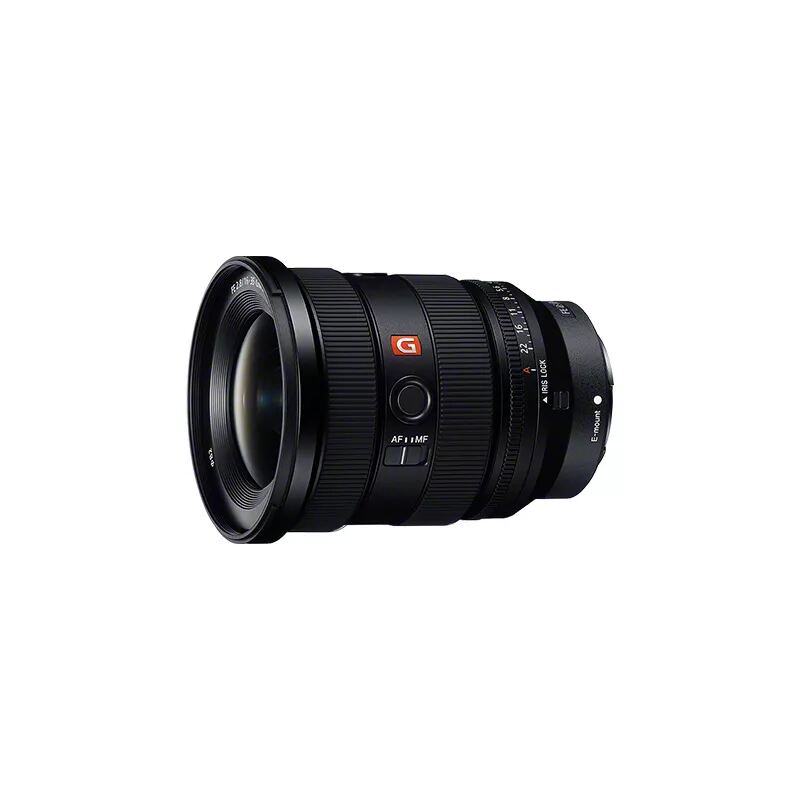
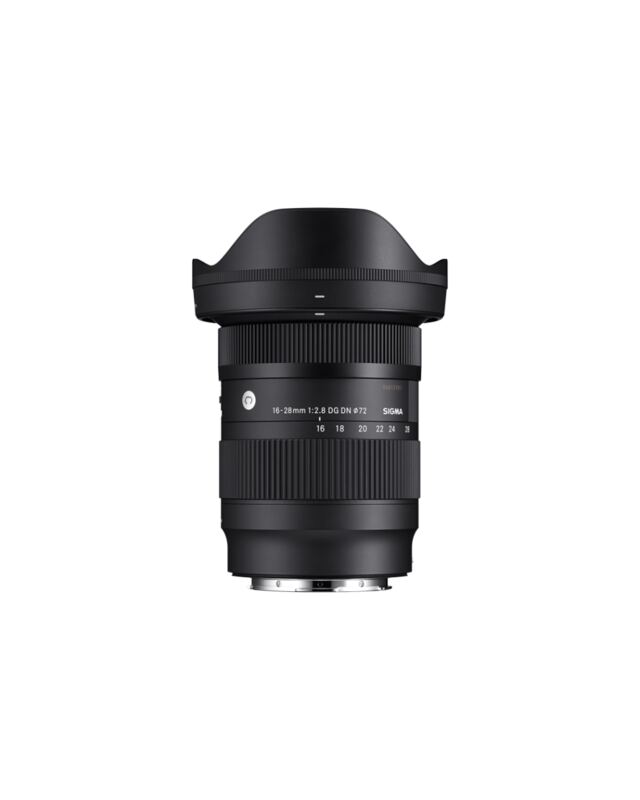
The Tamron's closest rival here is the Sigma 16-28mm F2.8 DG DN Contemporary, which starts a millimeter wider at 16mm and is similarly light and affordable. The choice between them often comes down to whether you value that extra millimeter at the wide end (Sigma) or the slightly more compact body and 67mm filter ecosystem (Tamron). Both massively undercut the Sony FE 16-35mm F2.8 GM II on price.
Against that Sony GM II, the Tamron gives up the reach to 35mm, the fastest autofocus, and the most robust sealing, but saves roughly $1,400 while matching much of the center sharpness. Versus the Sony primes, it trades the f/1.8 aperture and astro pedigree for zoom convenience. It is the smart-money pick when you want fast f/2.8 wide coverage without the flagship outlay.
Under 900 dollars for near-GM performance
Value is the Tamron's entire reason for existing, and on that score it is one of the strongest buys in the Sony wide-angle catalog. At under $900 it delivers center sharpness that reviewers repeatedly compare directly to the Sony G Master, in a body that is lighter and smaller than nearly anything else with a constant f/2.8 aperture. The roughly $1,400 it saves over the GM II is not a small discount; it is the difference between affording the lens and not.
What you give up to hit that price is the 28-35mm range, the very fastest autofocus, and the most rugged sealing. For a lot of enthusiasts those are acceptable trade-offs, especially since the optical core is so strong. The Tamron is the lens to recommend to someone moving up from a kit lens who wants a genuine quality jump without the flagship outlay, and it remains relevant years after launch precisely because the value proposition is so clear.
Handling and Filters
Tamron kept the 17-28mm deliberately simple, and that minimalism is part of its charm. There are no on-barrel switches or function buttons, just a zoom ring and a focus ring, which keeps the lens small and light while putting control in the camera body where most Sony shooters set focus and aperture anyway. The 67mm filter thread is shared across Tamron's f/2.8 mirrorless line, so a polarizer or ND bought for this lens carries over to a 28-75mm or 70-180mm in the same kit.
In use the lens balances beautifully on compact bodies and disappears into a bag, which is exactly the point. The fluorine-coated front element shrugs off spray and fingerprints, and the weather sealing means a sudden shower on a hike is not a crisis. It does extend slightly as you zoom, so it is marginally less gimbal-neutral than an internal-zoom design, but for the price and size the handling compromises are minimal and the everyday usability is excellent.
Weather sealed enough for hikes and rain
This lens is ideal for travel and landscape photographers who prioritize a light kit, and for enthusiasts who want a constant f/2.8 wide-angle without spending GM money. Its weather sealing means it can handle rain and dust on a hike, and its size makes it the kind of lens you actually bring rather than leave at home. The fast, silent RXD autofocus also makes it a capable everyday and event option, not just a landscape tool.
It is a weaker choice for anyone who regularly needs the 28-35mm range, shoots a lot of close-up work, or demands the absolute best corner performance at all distances. For those buyers the Sony GM II or a different lens makes more sense. But for the majority of wide-angle shooters on a budget, the Tamron delivers most of the performance for a fraction of the cost, which is why it remains a default recommendation.
Strengths
- +Center sharpness rivals and at times matches the Sony G Master, especially on distant subjects
- +Exceptionally compact and light at 420g and about 10cm long
- +Constant f/2.8 aperture at less than half the price of the Sony GM II
- +Fast, near-silent RXD autofocus with excellent repeatability
- +Weather-sealed construction with a fluorine-coated front element
Watch-outs
- −Restrictive 1.6x zoom range that stops at 28mm rather than 35mm
- −Full-frame corners can be a bit soft at close 1-2m focus distances
- −Very short working distance at the wide end limits close-up framing
- −No optical stabilization, relying entirely on in-body IS
How it compares
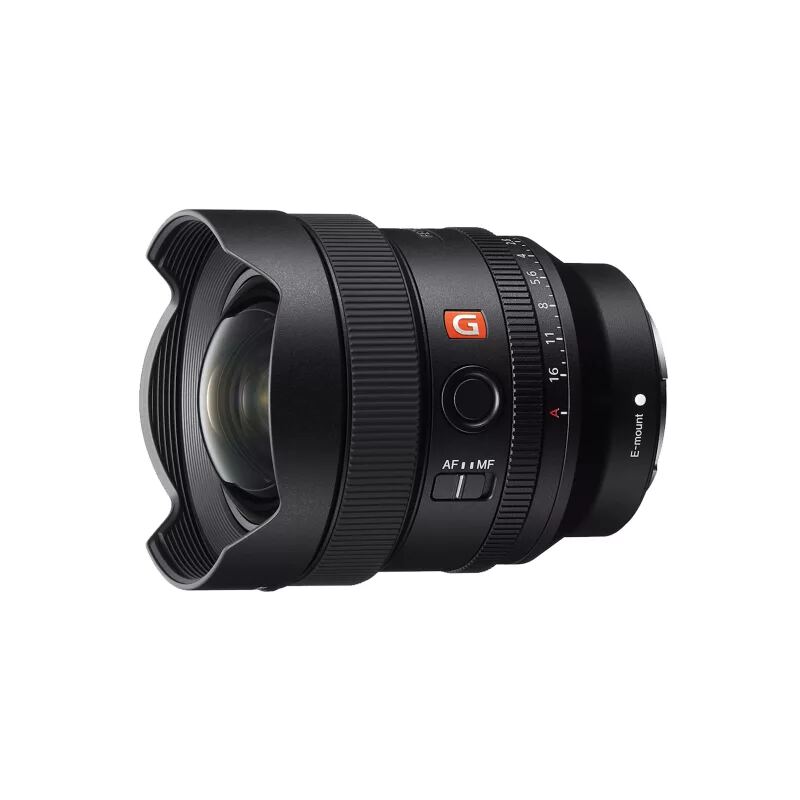
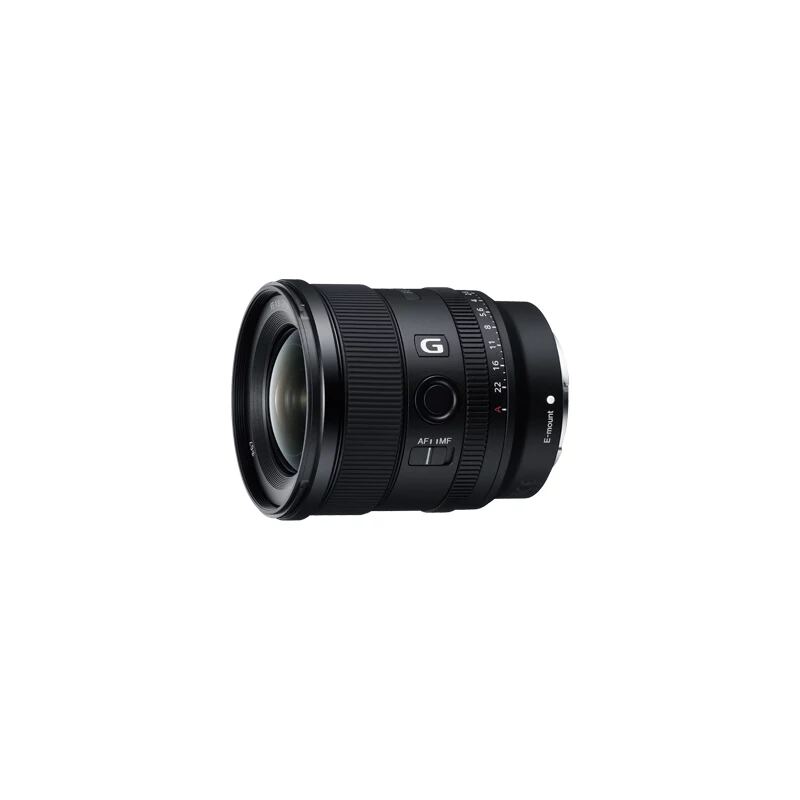
It is the lightest and one of the cheapest fast zooms here, undercutting the Sony FE 16-35mm F2.8 GM II by roughly $1,400 while matching much of its center sharpness. Against the Sigma 16-28mm F2.8 DG DN Contemporary it is similar in concept but starts at 17mm rather than 16mm and uses a 67mm rather than 72mm filter. Unlike the Sony FE 14mm F1.8 GM and FE 20mm F1.8 G primes, it offers a zoom range, albeit a short one.
Rating sources
“The Tamron excels, indeed equalling or even surpassing the sharpness of the Sony GM at times.”
“In my experience, this is almost G Master level of sharpness.”
Our 4.5 score is the average of these published ratings. Ratings marked * were derived from the reviewer’s written analysis or video transcript — the publisher didn’t print an explicit numeric score, so we inferred one from their own words. Click through to verify. More about methodology.