The Scottish Detectorist found that the XP Deus II is an incredibly light and highly configurable wireless detector capable of handling heavily contaminated ground. However, THE GRIM BLEEPER noted that while the stereo audio technology aims for clarity, it often results in a 'busy' sound that can cause headaches, leading some users to disable multi-processing features. This deep menu system offers substantial control but may overwhelm those seeking simplicity. The detector is best suited for experienced enthusiasts who want to fine-tune their settings rather than beginners looking for an out-of-the-box solution.
Full review
Stereo audio complexity in daily detecting
The integration of the WSA ST stereo headphones with the DEUS II’s multi-processor introduces a layer of auditory processing that divides user opinion significantly. The GRIM BLEEPER tested the system extensively and found that while the hardware supports dual-channel audio, the practical benefit for everyday detecting is minimal. He reported that enabling both channels created an overwhelming soundscape where too much information competed for attention, ultimately causing headaches during longer sessions rather than improving target separation.
To resolve this auditory clutter, The GRIM BLEEPER disabled channel two entirely, reverting to a single-channel setup within the stereo hardware. This configuration provided better clarity and reduced ear fatigue compared to running the full multi-processor stereo mode. He noted that despite trying various custom programs, including those designed by other experts, the stereo processing consistently sounded worse than standard settings in his experience. The consensus from this review is that the stereo feature currently feels like an unfinished capability rather than a polished advantage.
The hardware itself received praise for its modern connectivity and comfort improvements over previous iterations. The inclusion of USB-C charging aligns with current industry standards, addressing cable waste concerns while offering reliable power management. However, the audio processing software has not yet caught up to the hardware’s potential. Users seeking immediate clarity in noisy environments may find that turning off the stereo multi-processing yields a cleaner signal, suggesting that future firmware updates are necessary to unlock the true value of these headphones.
HF2 coil performance on contaminated sites
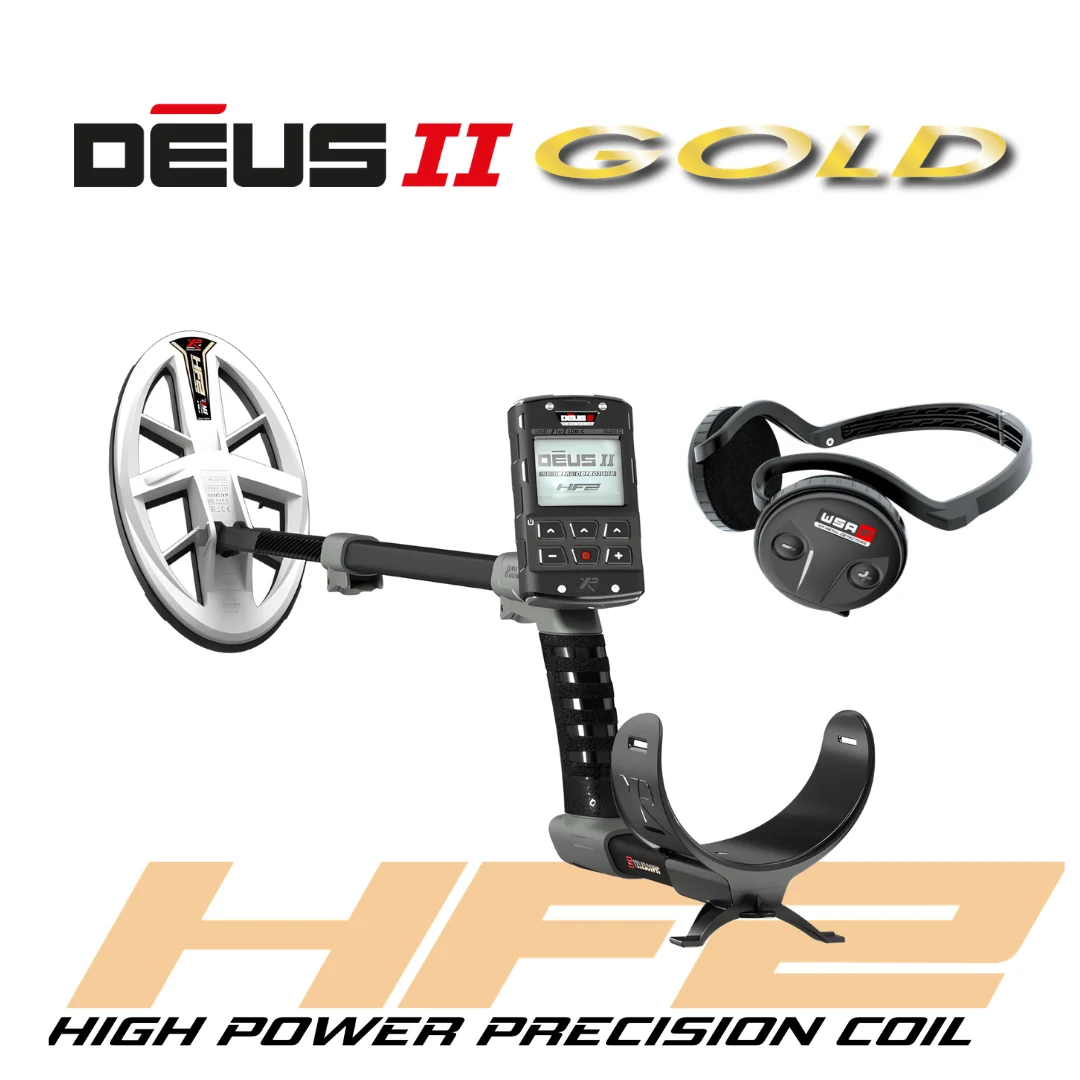
The HF2 elliptical high-frequency coil is engineered specifically for precision work in challenging environments, offering a stark contrast to standard large-diameter coils. The Scottish Detectorist evaluated the coil’s physical attributes and found it incredibly light, with the total weight including the carbon stem measuring approximately 456 grams. This reduction in mass makes swinging significantly less tiring compared to heavier configurations like the 13 by 11-inch coil, allowing for more precise control when navigating through dense vegetation or tight spaces.
Performance testing on heavily contaminated ground demonstrated the coil’s ability to isolate small targets where larger coils struggle. The Scottish Detectorist reported finding a spoon bowl hidden within thick bushes that had been missed with standard equipment. The elliptical shape allows users to get closer to obstacles without triggering false signals from surrounding metal fragments.
The coil requires a firmware update on the main unit before it can be paired, a step that must be completed using XP’s free software portal. Once connected, the HF2 operates within a single-frequency range of 13 to 120 kHz and supports FMF maximum frequencies up to 89 kHz. This flexibility allows users to fine-tune their audio response based on ground conditions. The Scottish Detectorist noted that switching between different kilohertz settings helped distinguish target depth and conductivity, making it an ideal tool for historical sites with mixed metal debris.
Menu depth creating a steep learning curve
The DEUS II offers extensive configurability through 12 factory programmes and 12 user-programme slots, but this depth creates a significant barrier for beginners. The system includes numerous interacting settings such as discrimination, audio response, iron volume, multi-tones, notch filters, reactivity, threshold adjustments, ground tracking, and frequency shifting. Navigating these options requires a solid understanding of how each parameter affects detection performance in real-time.
Users who prefer a plug-and-play experience often find the menu structure overwhelming. The sheer number of controls means that small changes to one setting can unexpectedly alter the behavior of another, leading to confusion if the underlying principles are not understood. This complexity is particularly evident when trying to optimize audio output using PWM or square tones with a four-band equalizer, where trial and error becomes necessary to achieve desired clarity.
Despite the steep learning curve, the configurability allows advanced users to tailor the detector precisely to their specific hunting conditions. The ability to save custom programs ensures that optimized settings can be recalled instantly without losing factory defaults. However, new buyers should anticipate a period of adjustment where they must invest time in understanding the manual and experimenting with different combinations before achieving consistent results.
Wireless system reliability and range
The proprietary digital radio wireless system eliminates cable clutter, allowing for a cleaner swinging motion that many users find beneficial. The system operates on 36 automatic channels to avoid interference from other detectors in the area. This frequency hopping capability ensures stable connectivity even in crowded detecting environments where multiple units are operating simultaneously.
The remote control unit is rubber-overmoulded and shock-resistant, providing durability during field use. The wireless connection supports optional accessories like the MI-6 pinpointer, which can join the network seamlessly without requiring additional pairing steps.
Battery life for both the coil and remote is sufficient for full-day sessions when managed correctly. The HF2 coil requires approximately five and a half hours to fully charge, a duration that users should plan around before heading out. While the wireless system offers convenience, it introduces a dependency on battery management that wired systems do not have, requiring users to monitor power levels carefully during extended hunts.
Physical weight and ergonomic balance
Ergonomics play a crucial role in long-term detecting comfort, and the DEUS II’s lightweight design addresses this effectively. The S-Telescopic stem weighs 370 grams, while the Lite version reduces this to 305 grams, offering options for users prioritizing minimal weight.
The HF2 coil configuration further enhances portability, bringing the total system weight down to approximately 456 grams when paired with a carbon stem. This reduction makes it easier to swing for extended periods without fatigue, particularly beneficial for users who hunt in areas requiring frequent repositioning or those with physical limitations. The balance point remains comfortable even with larger coils like the 13 by 11-inch model at 570 grams.
Headphone weight also contributes to overall comfort during use. The WSA ST headphones weigh just 72 grams, providing a secure fit without adding noticeable strain to the head. In contrast, the larger WSA XL ST variant weighs 250 grams, which may be preferable for users seeking maximum sound isolation but could feel heavy over long sessions. Choosing the right headphone configuration is essential for maintaining comfort throughout the day.
Strengths
- +Wireless simultaneous multi-frequency (FMF) detection system with selectable single-frequency modes
- +Highly configurable interface offering 12 factory programmes and 12 user-programme slots
- +Advanced audio capabilities including PWM/Square output, four-band equaliser, and stereo headphone support
- +Compatible with the HF2 high-frequency coil for enhanced small target detection in mineralised ground
Watch-outs
- −Extensive menu depth and interacting settings create a steep learning curve for beginners
- −Requires firmware updates to pair with newer accessories like the HF2 coil
How it compares
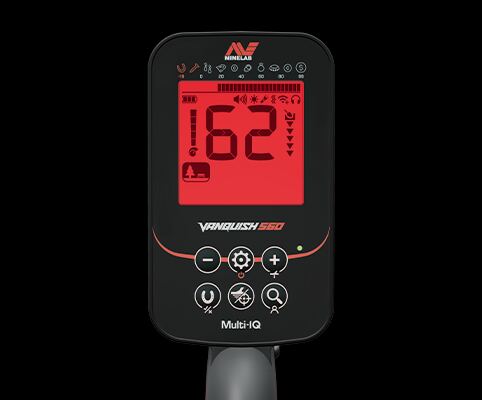
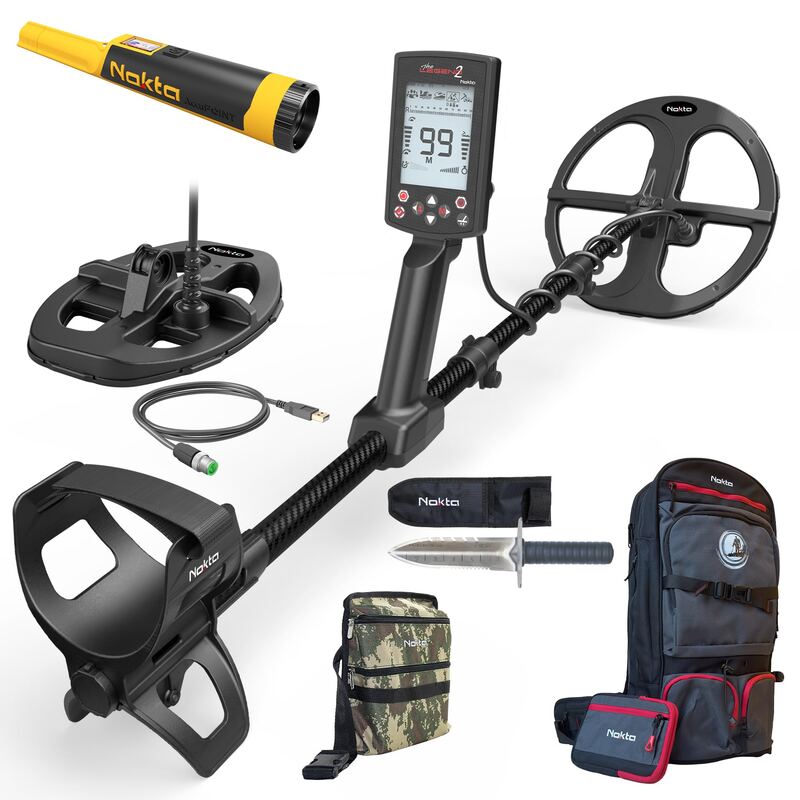
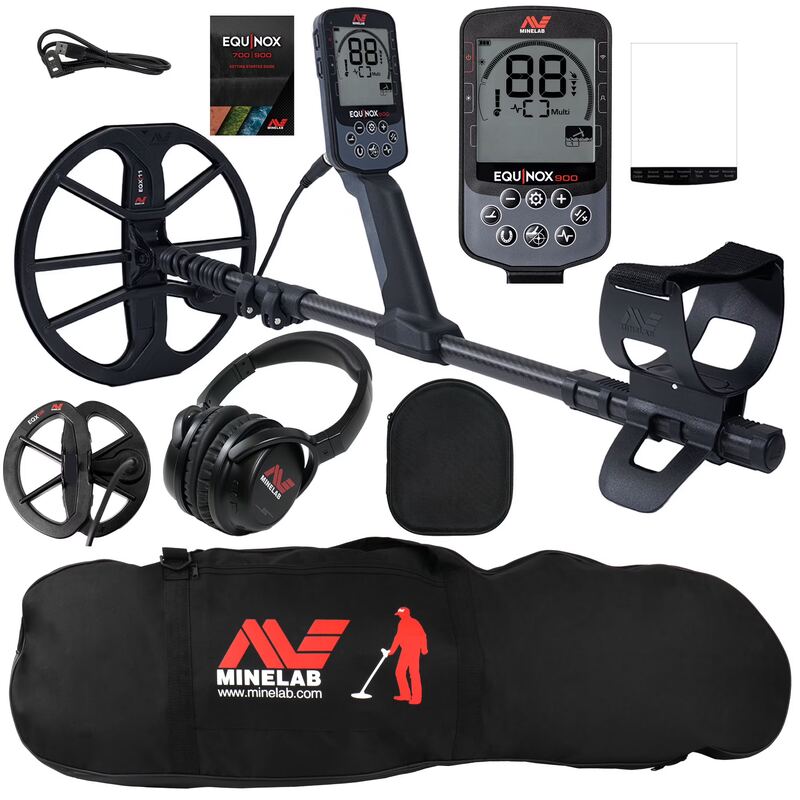
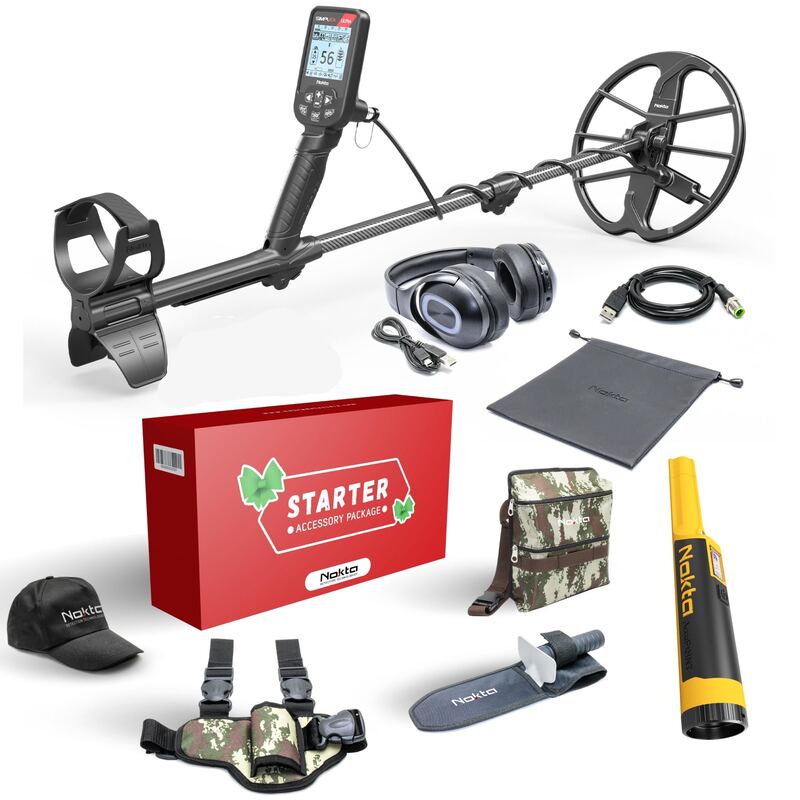
The XP Deus II is significantly lighter (1.65 lb) than all other listed detectors, including the Vanquish series and Nokta models which range from 2.6 to 2.8 lbs.
Rating sources
“Still love the Deus 2, and it is my favorite machine I've ever used. But um as for the multi-processing bit, don't think it's there yet.”
“Initial impressions, wow. on the machine. It is incredibly light... this is the kind of thing that you're going to use where you want really good iron separation or you're trying to find very small targets.”
Our 4.0 score is the average of these published ratings. Ratings marked * were derived from the reviewer’s written analysis or video transcript — the publisher didn’t print an explicit numeric score, so we inferred one from their own words. Click through to verify. More about methodology.