Verdict
Head-to-head · Best Vlogging Cameras Under $1000

Canon PowerShot G7 X Mark III vs Fujifilm X-M5

Which is the better buy? Side-by-side on rating, price, strengths, and watch-outs — with the published ratings we averaged to get there.

The short answer

Fujifilm X-M5 comes out ahead by a narrow margin (4.2 vs 4.4). The gap is mostly about Budget-minded filmmakers and gimbal users who want open-gate 6K, 10-bit color and interchangeable lenses for under $1000. — read the strengths below before deciding.

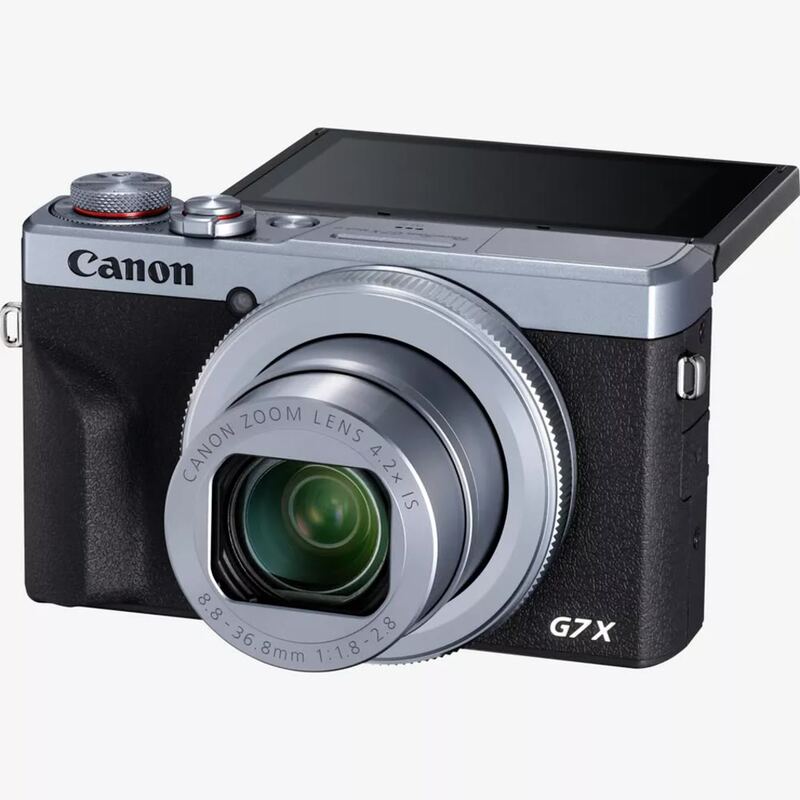
Canon PowerShot G7 X Mark III
Ranked #5 in Best Vlogging Cameras Under $1000
Canon PowerShot G7 X Mark III
$1,459as of Jun 7

The Canon PowerShot G7 X Mark III remains the most pocketable pick here, a 1-inch compact with a bright zoom, crop-free 4K, and built-in YouTube live-streaming. It's a proven creator favorite, but it's a 2019 design that overheats in 4K and lacks modern stabilization, so it's best for casual vlogging and stills rather than long video takes.

Strengths
  • Genuinely pocketable 1-inch sensor compact that's easy to carry everywhere
  • Bright f/1.8-2.8 24-100mm equivalent zoom for low light and flattering compression
  • 4K video with no crop, so framing stays consistent between modes
Watch-outs
  • Overheats and shuts down quickly when recording 4K
  • No in-body or gimbal stabilization for video
  • Aging 2019 model that lacks the latest autofocus and sensor tech
Fujifilm X-M5
Higher ratedRanked #4 in Best Vlogging Cameras Under $1000
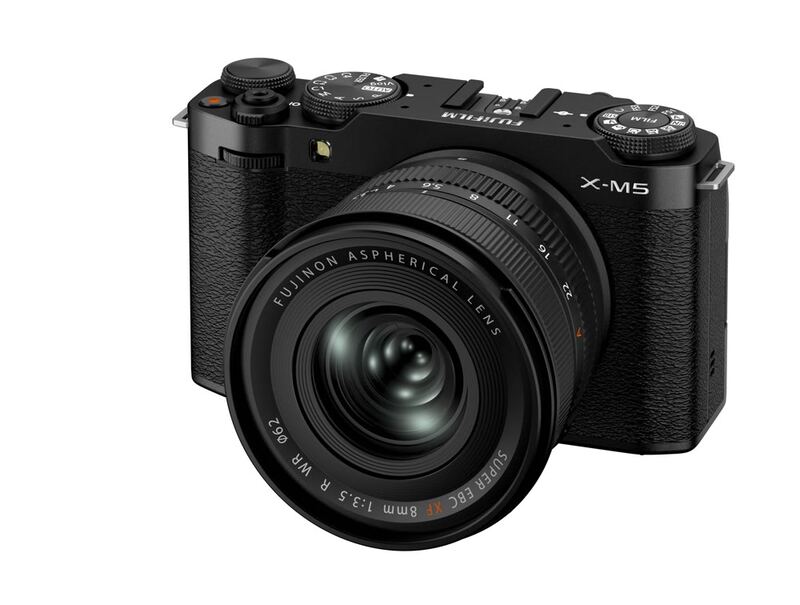
Fujifilm X-M5
$899as of Jun 7

The Fujifilm X-M5 is the best-value video-focused interchangeable-lens camera under $1000. It delivers open-gate 6.2K/30p 10-bit recording and 4K/60p in a body that weighs almost nothing, plus Fujifilm's celebrated color profiles. The compromises are no IBIS and no viewfinder, and its autofocus is a step behind Sony's for face-tracked vlogging.

Strengths
  • Open-gate 6.2K/30p 10-bit video from the full 3:2 sensor for reframing and vertical exports
  • 4K up to 60fps for half-speed cinematic slow motion
  • Extremely light and compact at under 500g even with the kit zoom
Watch-outs
  • No in-body image stabilization, so handheld footage needs a gimbal or steady hands
  • No electronic viewfinder
  • Uses the older-generation 26MP X-Trans sensor rather than the latest chip

How they stack up

Canon PowerShot G7 X Mark III

The most pocketable camera here, smaller than the Canon PowerShot V1 and the interchangeable-lens Sony ZV-E10 II and Fujifilm X-M5. It shares the 1-inch sensor class with the DJI Osmo Pocket 3 but lacks that camera's gimbal, and its bright f/1.8-2.8 lens gathers more light than the V1's, though the V1's larger sensor and unlimited 4K make it the better dedicated vlogger.

Fujifilm X-M5

Like the Sony ZV-E10 II it is an interchangeable-lens APS-C body with no IBIS, but it adds open-gate 6.2K that the ZV-E10 II lacks while trailing it on autofocus. It is lighter and cheaper than the ZV-E10 II and far more flexible than the fixed-lens Canon PowerShot V1 and DJI Osmo Pocket 3, at the cost of handheld stabilization.

Specs side-by-side

SpecCanon PowerShot G7 X Mark IIIFujifilm X-M5
Sensor20.1MP 1-inch CMOS26MP APS-C X-Trans CMOS
Lens24-100mm equivalent f/1.8-2.8 zoom
Video4K/30p (no crop), 1080p/120fpsOpen-gate 6.2K/30p, 4K/60p, 10-bit 4:2:2
StabilizationOptical (lens-based)Digital only (no IBIS)
StreamingBuilt-in YouTube live streaming
Display3.0-inch tilting touchscreenFully articulating vari-angle touchscreen
Weight304gUnder 500g with kit lens
Audio3.5mm mic input
MountFujifilm X-mount
Vertical mode9:16 open-gate vertical recording
AutofocusAI subject-detection phase detection
← See the full ranking of best vlogging cameras under $1000