The Fujifilm X-M5 is the best-value video-focused interchangeable-lens camera under $1000. Open-gate 6.2K/30p 10-bit recording and 4K/60p come in a body that weighs almost nothing, alongside Fujifilm's celebrated color profiles. The compromises: no IBIS, no viewfinder, and autofocus a step behind Sony's for face-tracked vlogging.
Full review
Recording time
The X-M5 is Fujifilm's smallest and cheapest mirrorless camera, and it is pitched squarely at the content age. TechRadar, which scored it 4.5 stars, framed the value proposition perfectly when it asked where else could you get 6K open gate 10-bit video recording for such little money. Open-gate recording reads the full 3:2 height and width of the sensor rather than a cropped 16:9 slice, so you can shoot one take and reframe it to landscape for YouTube or vertical for TikTok and Reels in the edit, a workflow that is genuinely valuable to a creator who publishes across multiple platforms from a single shoot.
Despite that serious video specification, the camera stays remarkably tiny. DPReview, which awarded it 84%, noted that even with the power zoom kit lens attached, it comes in under 500g and is small enough to fit in a small bag or jacket pockets, so it is the kind of camera you will actually take everywhere. Endurance is strong too: PetaPixel found it could record over an hour of 6.2K open-gate recording at 30 frames per second before the battery depleted, which is impressive stamina for such a small body and means you rarely worry about running out mid-session.
Film Simulation profiles skip the color-grading step
The X-M5 pairs Fujifilm's well-proven 26MP X-Trans sensor with the company's latest processor, unlocking 4K at up to 60fps for half-speed cinematic slow motion plus 10-bit color throughout the video modes. The 10-bit capture and the F-Log2 profile give you real grading latitude, while the genuine draw for many buyers is Fujifilm's Film Simulation profiles. These let you produce a finished, characterful look, whether that is the punchy Velvia or the muted Classic Chrome, straight out of the camera with no grading required, which is a huge time-saver for high-volume creators.
PetaPixel's verdict put the X-M5's niche in sharp relief. The closest video competitor, it noted, is the Sony ZV-E10 II, which provides excellent quality recording with more consistent autofocusing for vlogging, but if you want rich open-gate recording and plan to use manual focusing on a gimbal, the X-M5 is better suited. In other words, the image-quality tools here are aimed at a creator who is thinking about framing flexibility and color, and who is comfortable taking a more deliberate, filmmaker-style approach rather than relying on the camera to do everything automatically.
Revives a form factor last seen in 2013
The X-M5 revives an old Fujifilm form factor, and DPReview observed that it is a return to a relatively old label not seen since the X-M1 from 2013, but the execution is thoroughly modern. It is built from familiar Fuji parts assembled with a few new tricks, and crucially it keeps the brand's beloved retro aesthetic and tactile dials while shaving the body down to pocketable dimensions. DPReview was candid that, subjectively, it is a very good-looking camera, and Fujifilm's retro styling with modern functionality continues to serve it well.
The design choices are unapologetically video-first. There is a fully articulating vari-angle touchscreen for self-framing, a dedicated vlog mode and a 9:16 vertical recording option carved from the open-gate capture, and the body stays under 500g even with the power-zoom kit lens. The notable omission is the electronic viewfinder, which Fujifilm dropped to hit the price and size targets; the company positions the photo-centric X-T30 II as the EVF-equipped alternative, leaving the X-M5 as the screen-only, video-leaning sibling.
No in-body stabilization for handheld walking shots
The X-M5 has no in-body image stabilization, and that is its clearest weakness for handheld vlogging. Walking footage will be visibly shaky unless you pair the camera with a gimbal or use an optically stabilized lens, which is exactly why PetaPixel frames it as a gimbal-and-manual-focus camera rather than a grab-and-go vlogger. It also drops the electronic viewfinder, so composing in bright sunlight relies entirely on the rear screen, which can be hard to see outdoors. Neither limitation is unusual at the price, but together they define how you have to shoot with it.
The sensor is the previous-generation 26MP X-Trans chip rather than the very latest one, and while autofocus has been meaningfully improved with Fujifilm's AI subject detection, PetaPixel found the camera struggles with autofocus consistency in video — often shifting focus to the background before reacquiring the subject — and called Sony's ZV-E10 II the more consistent autofocuser for vlogging. For static, tripod, or gimbal-mounted shooting these caveats matter little; for fast, unpredictable handheld talking-head work they matter more, and they are the main reasons the X-M5 ranks behind the ZV-E10 II despite its tempting feature set and price.
Open-gate 6.2K that the Sony ZV-E10 II lacks
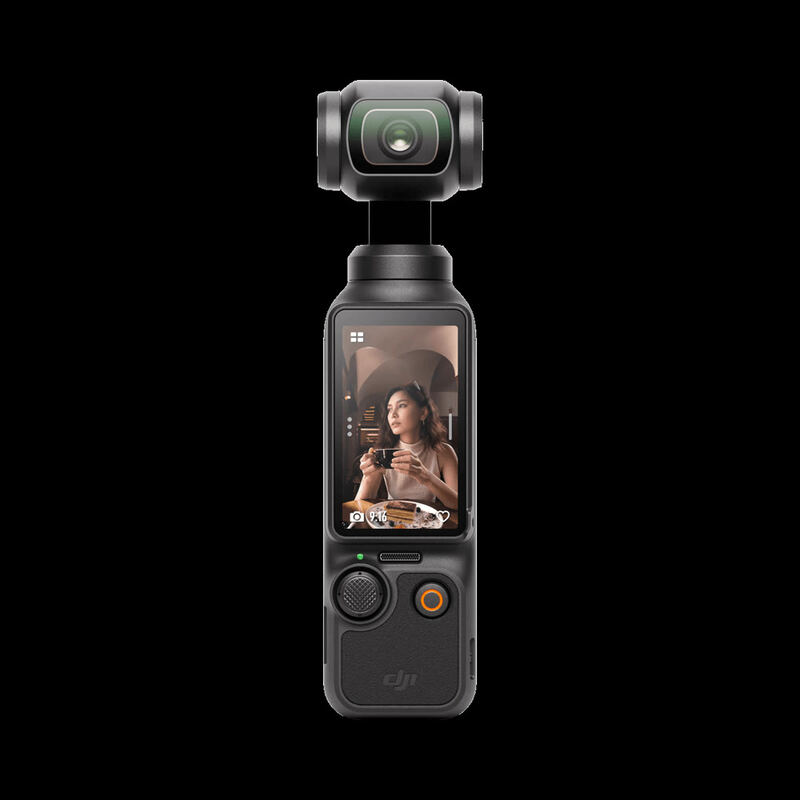
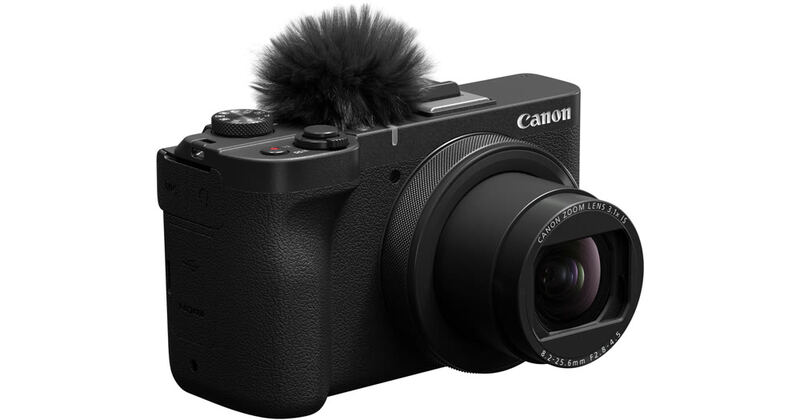
The X-M5 and the Sony ZV-E10 II are the two interchangeable-lens APS-C cameras in this group, and the comparison between them is the heart of the decision. Both have the same sensor class and neither has IBIS, but the X-M5 adds open-gate 6.2K capture that the Sony lacks, while the Sony counters with more reliable autofocus and S-Log3. The X-M5 is also lighter and typically cheaper, which makes it the value play of the two. Against the fixed-lens Canon PowerShot V1 and DJI Osmo Pocket 3, the X-M5 wins decisively on flexibility because you can mount anything from an ultra-wide to a fast portrait prime.
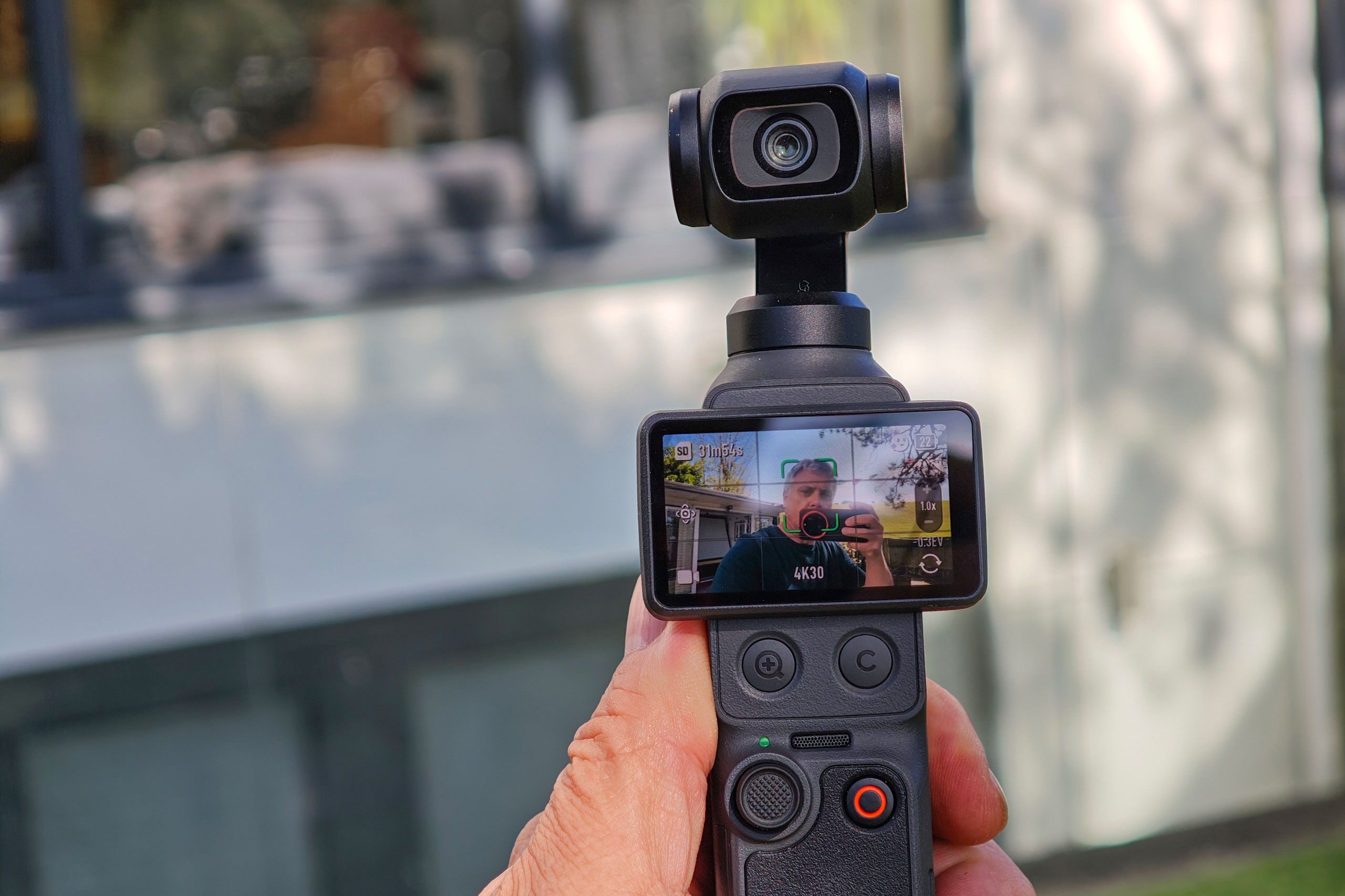
What the X-M5 cannot match is the Osmo Pocket 3's handheld stabilization or the V1's all-in-one simplicity with its built-in ND and cooling vents. The Fuji is the choice for someone who thinks like a filmmaker, who is happy to add a gimbal and pick lenses deliberately, and who places open-gate flexibility and Fujifilm color above point-and-shoot convenience. It rewards a little extra effort with a lot of creative control for the money.
Best for filmmakers who already shoot on a gimbal
The X-M5 is the value champion for filmmakers and serious hobbyists who want open-gate 6K, 10-bit color, and a real interchangeable lens mount without breaking $1000. If you already shoot on a gimbal or work primarily from a tripod, the missing IBIS becomes a non-issue, and in return you get a staggering amount of video capability and Fujifilm's distinctive color in a body that weighs almost nothing and fits in a jacket pocket.
It is a weaker choice for pure handheld vloggers who refuse to carry a gimbal, where the stabilized DJI Osmo Pocket 3 or the autofocus-led Sony ZV-E10 II will be far less frustrating day to day. But for the price-conscious creator who prioritizes image flexibility, multi-platform reframing, and that signature Fuji look over hand-holdability, the X-M5 delivers more video for the money than anything else here.
Strengths
- +Open-gate 6.2K/30p 10-bit video from the full 3:2 sensor for reframing and vertical exports
- +4K up to 60fps for half-speed cinematic slow motion
- +Extremely light and compact at under 500g even with the kit zoom
- +Fujifilm's AI subject-detection autofocus and beloved Film Simulation color profiles
- +Interchangeable X-mount lenses and strong battery life for long open-gate recording
Watch-outs
- −No in-body image stabilization, so handheld footage needs a gimbal or steady hands
- −No electronic viewfinder
- −Uses the older-generation 26MP X-Trans sensor rather than the latest chip
- −Autofocus, while improved, trails the Sony ZV-E10 II for vlogging reliability
How it compares
Like the Sony ZV-E10 II it is an interchangeable-lens APS-C body with no IBIS, but it adds open-gate 6.2K that the ZV-E10 II lacks while trailing it on autofocus. It is lighter and cheaper than the ZV-E10 II and far more flexible than the fixed-lens Canon PowerShot V1 and DJI Osmo Pocket 3, at the cost of handheld stabilization.
Rating sources
“The X-M5 is very lightweight and compact - even with the power zoom kit lens attached, it comes in under 500g (17.6oz) and is small enough to fit in a small bag or jacket pockets.”
“The X-M5 is instead excellent value for filmmakers - after all, where else could you get 6K open gate 10-bit video recording for such little money?”
Our 4.2 score is the average of these published ratings. Ratings marked * were derived from the reviewer’s written analysis or video transcript — the publisher didn’t print an explicit numeric score, so we inferred one from their own words. Click through to verify. More about methodology.