Verdict
Head-to-head · Best Vlogging Cameras Under $1000

Fujifilm X-M5 vs Sony ZV-E10 II

Which is the better buy? Side-by-side on rating, price, strengths, and watch-outs — with the published ratings we averaged to get there.

The short answer

Sony ZV-E10 II comes out ahead by a narrow margin (4.4 vs 4.5). The gap is mostly about Aspiring YouTubers and creators who want the best autofocus under $1000 and plan to invest in lenses over time. — read the strengths below before deciding.

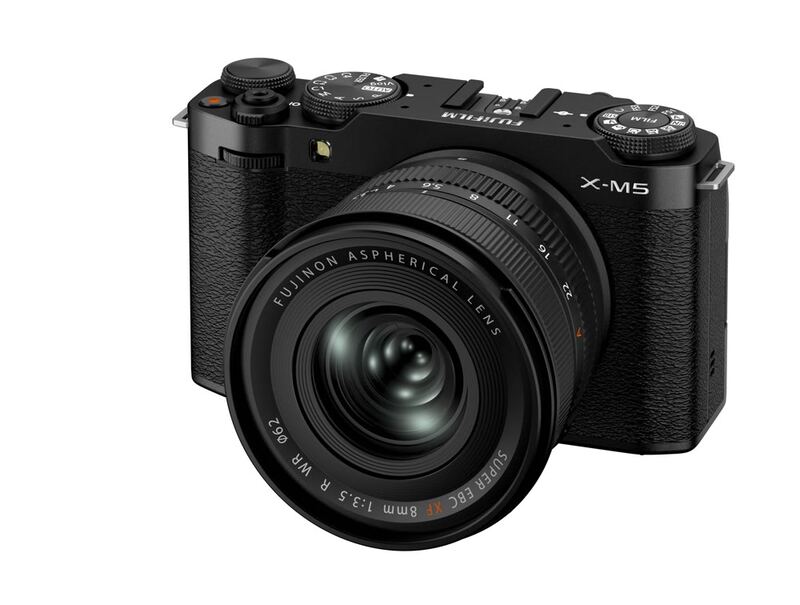
Fujifilm X-M5
Ranked #4 in Best Vlogging Cameras Under $1000
Fujifilm X-M5
$899as of Jun 7

The Fujifilm X-M5 is the best-value video-focused interchangeable-lens camera under $1000. It delivers open-gate 6.2K/30p 10-bit recording and 4K/60p in a body that weighs almost nothing, plus Fujifilm's celebrated color profiles. The compromises are no IBIS and no viewfinder, and its autofocus is a step behind Sony's for face-tracked vlogging.

Strengths
  • Open-gate 6.2K/30p 10-bit video from the full 3:2 sensor for reframing and vertical exports
  • 4K up to 60fps for half-speed cinematic slow motion
  • Extremely light and compact at under 500g even with the kit zoom
Watch-outs
  • No in-body image stabilization, so handheld footage needs a gimbal or steady hands
  • No electronic viewfinder
  • Uses the older-generation 26MP X-Trans sensor rather than the latest chip
Sony ZV-E10 II
Higher ratedRanked #1 in Best Vlogging Cameras Under $1000
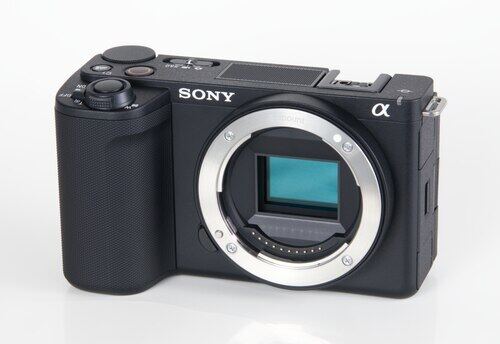
Sony ZV-E10 II
$1,298as of Jun 7

The Sony ZV-E10 II is the best all-round vlogging camera under $1000 for creators who want room to grow. It borrows the 26MP sensor and 759-point autofocus from Sony's far pricier bodies, shoots oversampled 4K/60p in 10-bit, and stays pocketable. The catch is the lack of IBIS, which means handheld walking shots lean on a cropped digital stabilizer rather than true sensor-shift correction.

Strengths
  • Best-in-class autofocus with a 759-point phase-detection system covering 94% of the frame, working down to -3EV
  • Oversampled 4K up to 60p with internal 10-bit recording and S-Log3 for serious color grading
  • Same 26MP BSI APS-C sensor as the pricier a6700 and FX30, so image quality punches above the price
Watch-outs
  • No in-body image stabilization, so handheld walk-and-talk relies on a heavy 1.33x digital crop
  • Rolling shutter is still visible in fast pans despite the faster sensor
  • A $300 price jump over the original ZV-E10 pushes it against cameras that add an EVF

How they stack up

Fujifilm X-M5

Like the Sony ZV-E10 II it is an interchangeable-lens APS-C body with no IBIS, but it adds open-gate 6.2K that the ZV-E10 II lacks while trailing it on autofocus. It is lighter and cheaper than the ZV-E10 II and far more flexible than the fixed-lens Canon PowerShot V1 and DJI Osmo Pocket 3, at the cost of handheld stabilization.

Sony ZV-E10 II

Pricier than the Fujifilm X-M5 and the gimbal-equipped DJI Osmo Pocket 3, but its autofocus is more reliable for face-tracked vlogging than either. Unlike the X-M5 it has no open-gate 6K mode, and unlike the DJI Osmo Pocket 3 and Canon PowerShot V1 it has no built-in stabilization hardware.

Specs side-by-side

SpecFujifilm X-M5Sony ZV-E10 II
Sensor26MP APS-C X-Trans CMOS26MP BSI APS-C CMOS
VideoOpen-gate 6.2K/30p, 4K/60p, 10-bit 4:2:24K up to 60p (oversampled), 10-bit 4:2:2
StabilizationDigital only (no IBIS)Digital only (no IBIS)
MountFujifilm X-mountSony E-mount
WeightUnder 500g with kit lens377g (body)
DisplayFully articulating vari-angle touchscreen3.0-inch fully articulating touchscreen
Vertical mode9:16 open-gate vertical recording
AutofocusAI subject-detection phase detection759-point phase detection, 94% coverage
BatteryNP-FZ100, ~610 shots / ~130 min video
← See the full ranking of best vlogging cameras under $1000