The Sony ZV-E10 II sits at the entry level for content creators and professionals stepping up from phones. Jon Conti of Jon Conti Visuals recommends it for businesses that need more control and polish than phone content allows. Edward Noble's review highlights how light it stays paired with the Sirui AF 75mm f/1.2 lens, which suits portrait work and wildlife photography. There is no EVF and battery life is modest, but the compact form factor and access to Sony's E-mount system make it a solid, upgradeable starting point.
Full review
Vlogging Camera Design
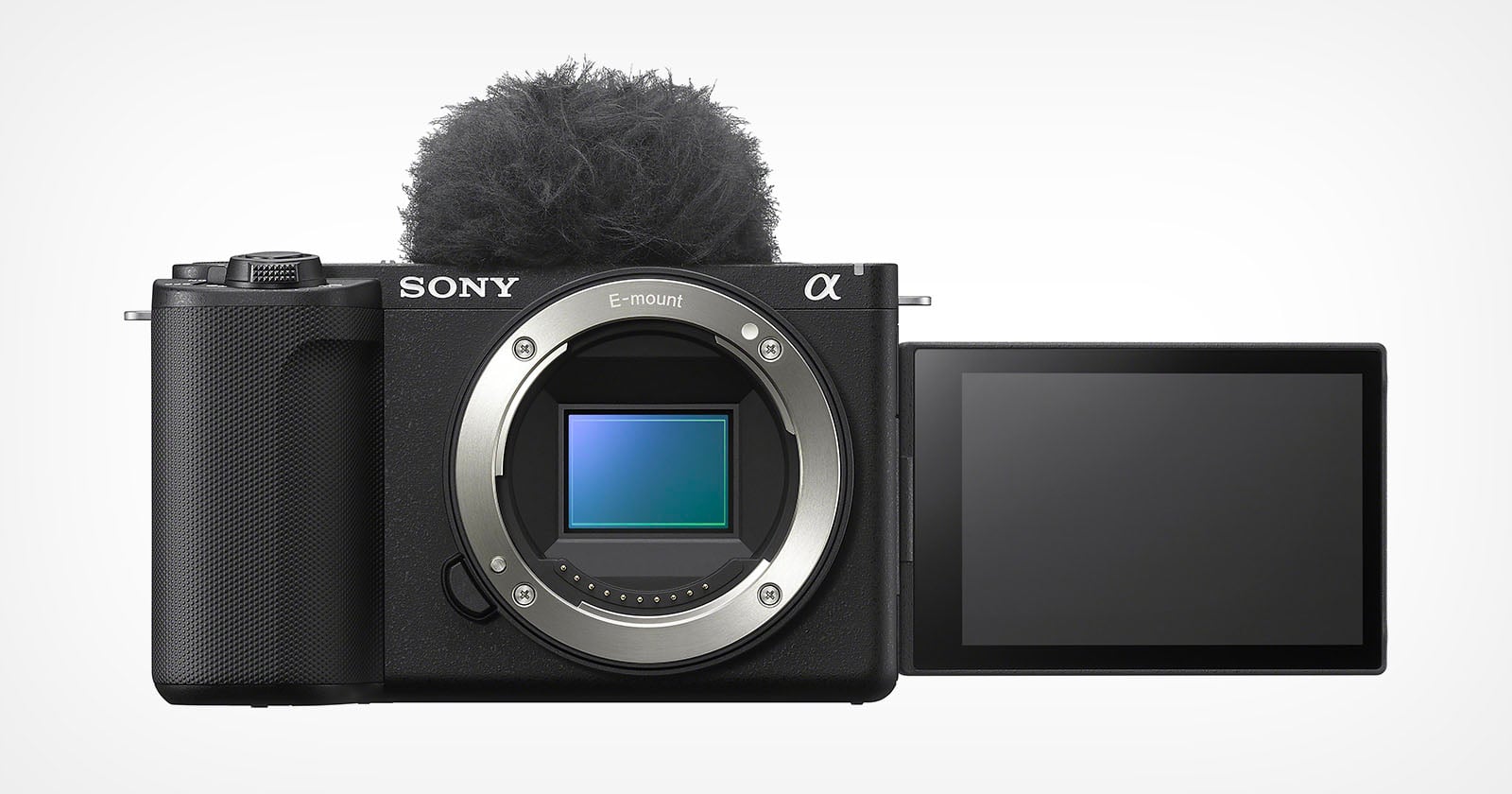
The Sony ZV-E10 II is purpose-built for content creators and vloggers, with a design that prioritizes video over still photography. It features a vari-angle 3-inch touchscreen LCD with 921,600 dots, which flips out for selfies and self-shooting. The camera body is compact and lightweight at 343g with battery and SD card, measuring 115.2 x 64.2 x 44.8 mm, making it easy to carry around. However, it lacks an electronic viewfinder and in-body stabilization, which some users find limiting. The grip texture provides a solid feel despite the plastic construction, and the button layout is geared more towards video production. As noted by Camera Jabber, 'the same old issues with Sonys user interface are present—it can be tricky at first, but once you get used to it, it starts to make sense.' The absence of a mechanical shutter is also a design choice that aligns with its vlogging focus, though it may not appeal to photographers who rely on that feature.
Video Performance and Features
Sony's second-generation ZV-E10 II delivers significant improvements in video capabilities over its predecessor. It now supports full-width 4K at up to 30p, with 4K/60p from a 1.1x crop (5.6K capture), a major upgrade from the previous model's 30fps cropping. The camera uses the newer Bionz XR processor, allowing for 10-bit video capture, which provides greater flexibility for color grading and tone control. The ZV-E10 II also includes S-Cinetone color mode and 'Creative Look' options, enabling users to apply stylized appearances to footage. Additionally, it supports LUT imports for previewing, embedding, or applying to S-Log3 footage. The camera also features a built-in directional three-capsule mic with automatic directional focus, though audio quality remains limited to 16-bit. The ZV-E10 II also includes CineVlog mode with a 2.35:1 aspect ratio and baked-in black bars, offering a cinematic look without additional editing. However, it lacks Sony's Auto Framing modes, meaning users cannot set the camera on a tripod and have it automatically crop and follow subjects.
Image Quality and Sensor Performance
The ZV-E10 II is equipped with a 26MP BSI CMOS sensor, an upgrade from the previous model's 24MP sensor. This newer sensor is reportedly faster and delivers better video performance, including 4K at up to 60fps without significant rolling shutter. The camera's sensitivity range is ISO 100-32,000 for stills, expandable to ISO 50-51,200, and ISO 100-32,000 for video. The sensor performs well in low-light conditions, though it's not as advanced as full-frame sensors. According to Jon Conti Visuals, 'the ZV-E10 is small enough to take with you and shoot somewhat inconspicuously,' making it ideal for beginners and content creators who need portability without sacrificing too much image quality. However, the sensor's performance has largely stagnated over the past decade and a half, as noted by Matador Network, with 'sensor performance has largely stagnated over the past ten to fifteen years.' The camera also features focus breathing compensation function that crops in to the narrowest effective field of view then progressively adjusts the crop and scaling to maintain consistent framing as the focus distance changes.
Bigger battery, but stabilization adds a 1.33x crop
The ZV-E10 II incorporates a larger NP-FZ100 battery compared to its predecessor's NP-FW50, which significantly improves recording time. While Sony did not disclose specific battery figures prior to launch, the FZ100 has always made cameras much more usable than the smaller FW50 used by the original ZV-E10. The camera also supports USB-C power delivery, enabling extended use with external power sources. However, the lack of in-body stabilization means that digital stabilization applies a further 1.33x crop, which reduces the effective field of view when using the included 16-50mm kit lens. This digital crop affects the 16-50mm lens's effective field of view, reducing it to a 32mm equivalent at its widest setting if users want to use more than just the lens's optical shake correction. Despite these limitations, the battery upgrade makes the ZV-E10 II a more practical choice for extended use in the field.
Lens Compatibility and Accessories
The ZV-E10 II supports the entire Sony E-mount lens ecosystem, providing users with access to a wide range of interchangeable lenses. This feature makes it a versatile option for content creators who want to expand their setup over time. The camera typically comes bundled with the Sony E PZ 16-50mm F3.5-5.6 OSS II, a refreshed version of the compact, retractable power zoom. This updated kit lens gains the ability to focus while zooming, helping to keep subjects in focus if you change the focal length while recording. However, the optical design of the lens has not changed significantly, and it has never been particularly impressive. The camera also supports third-party E-mount lenses from Tamron or Sigma, offering affordable options for users looking to customize their setup. As noted by Edward Noble, 'the beauty is that Sony has a wide range of compatible lenses you can pair with this camera, depending on what you like to photograph.' The ZV-E10 II also supports the use of external accessories such as the Sirui AF 75mm f/1.2 lens, which provides a lightweight, high-performance option for portrait photography. However, the camera's lack of a mechanical shutter and in-body stabilization means that users must rely on lens-based stabilization or digital methods for image stabilization.
$1099 kit costs more than the Nikon Z30's $849
Despite its strengths, the ZV-E10 II has several notable limitations. It lacks an electronic viewfinder and in-body stabilization, which may be a dealbreaker for some users. The camera also has a limited video bit-depth in its predecessor model, though this has been upgraded to 10-bit in the II version. The included 16-50mm kit lens, while convenient, has not undergone significant optical improvements and is not particularly impressive. Additionally, the camera's lack of a mechanical shutter and in-body stabilization means that users must rely on lens-based stabilization or digital methods for image stabilization. The ZV-E10 II also lacks Auto Framing modes, which would allow the camera to automatically crop and follow subjects when set on a tripod. As noted by Camera Jabber, 'the same old issues with Sonys user interface are present—it can be tricky at first, but once you get used to it, it starts to make sense,' indicating that the interface may be challenging for newcomers. The camera's price point of $1,099 with the kit lens is also higher than some competitors, such as the Nikon Z30, which is available for $849 with a similar kit lens.
Discreet enough for interviews and travel vlogging
The Sony ZV-E10 II is ideal for content creators, vloggers, and beginners who want a portable, versatile camera that offers more than just smartphone capabilities. It's particularly well-suited for those who are upgrading from a phone and want to improve their video and photo quality without investing in a full mirrorless system. As Jon Conti Visuals states, 'the ZV-E10 is small enough to take with you and shoot somewhat inconspicuously,' making it perfect for those who need a discreet camera for interviews or travel. The camera's interchangeable lens system allows users to expand their setup over time, providing a solid foundation for growth. However, it's not ideal for professional photographers who rely heavily on mechanical shutters or in-body stabilization. The ZV-E10 II is also not the best choice for users who want to shoot in low-light conditions without additional lighting, as the sensor performance is not as advanced as full-frame systems. It's also not recommended for those who want to use Auto Framing modes, as these are not included in the ZV-E10 II. For users who prioritize video over stills, the ZV-E10 II offers a compelling combination of features and portability.
New Bionz XR processor outpaces the original ZV-E10
When compared to its predecessor, the ZV-E10 II offers significant upgrades in sensor performance, video capabilities, and battery life. Compared to the Nikon Z30, which is available for $849 with a similar kit lens, the ZV-E10 II is more expensive but offers better video performance and features like 10-bit recording. The ZV-E10 II also outperforms the Sony a6700 in terms of video features, though it lacks some of the advanced capabilities of the enthusiast model. The Panasonic DC-G100 is another competitor, but it suffers from substantial crop in 4K mode, making it less suitable for high-res vlogging. DPReview's in-depth review credits the ZV-E10 II's newer processor for its improved rolling-shutter performance over the original ZV-E10. The camera's larger battery and improved sensor make it a more practical choice for extended use in the field. However, the ZV-E10 II's lack of in-body stabilization and mechanical shutter means it may not be the best choice for users who require those features. The camera's price point of $1,099 with the kit lens is also higher than some competitors, but it offers a compelling combination of features and portability for content creators.
Strengths
- +Small and lightweight design suitable for vlogging and travel, per PetaPixel
- +Excellent video capabilities with 4K/24p recording and flip-out 3" LCD
- +Good autofocus performance with 425 phase-detection points
- +Access to full E-mount lens ecosystem for future upgrades, which SLR Lounge calls the best array of vlogging lenses on the market
Watch-outs
- −No electronic viewfinder (EVF) included, which SLR Lounge says limits it as an all-around camera
- −No in-body stabilisation — digital "active" mode only, which crops the frame, according to TechRadar
How it compares
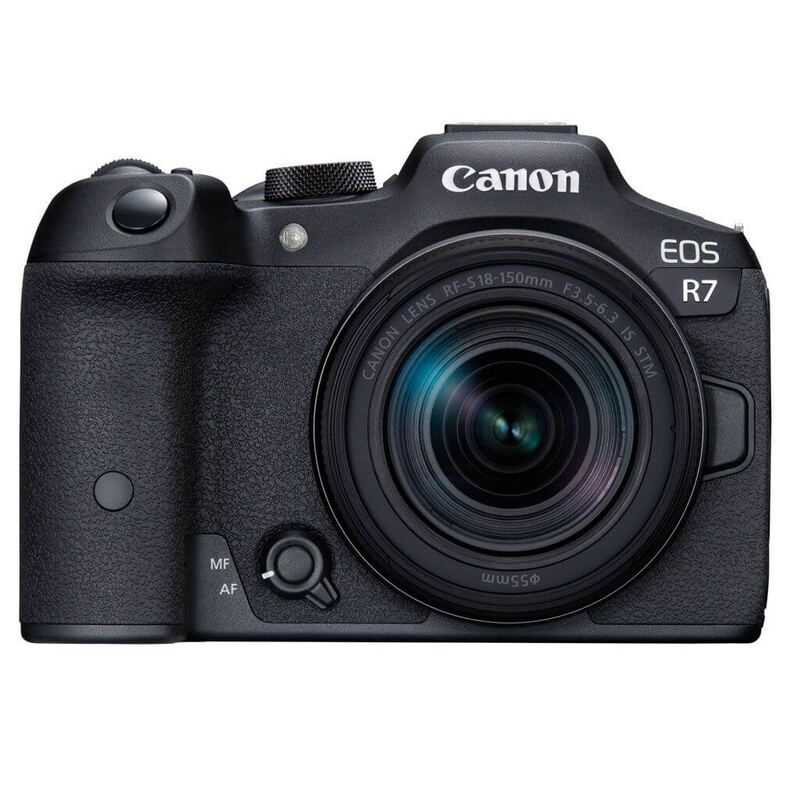
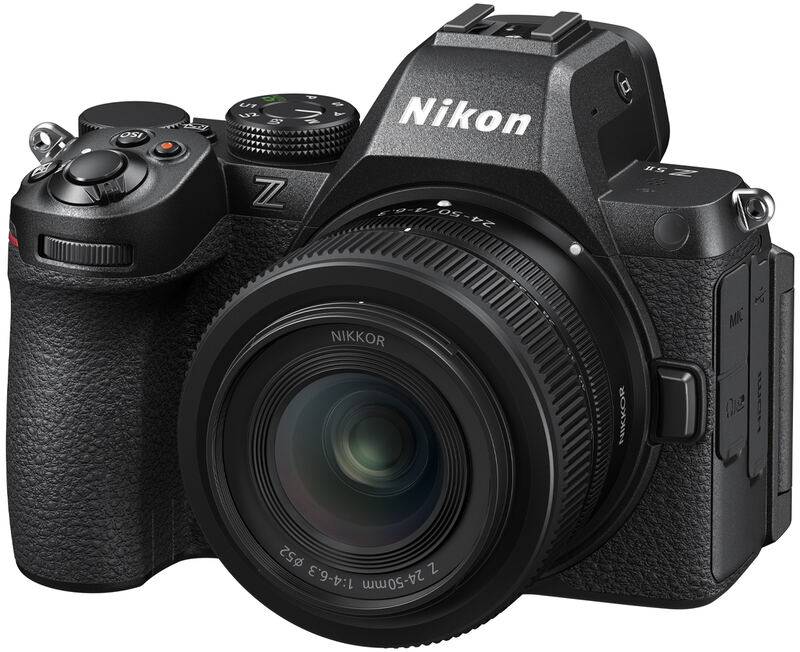
The Sony ZV-E10 II excels in portability and vlogging features compared to the Fujifilm X-S20, which has a larger grip and better battery life. However, it falls short of the Canon EOS R7 in terms of burst rate and video capabilities, and lacks the dual card slot and EVF found in the Nikon Z5II.
Rating sources
“The camera shares the same 26MP BSI APS-C sensor as the highly capable A6700 and Sony FX30, including their comprehensive 759-point phase detection autofocus system, and it takes a big step up in video, offering 10-bit video in up to 4K/60p 4:2:2.”
“Outstanding Value for the Dollar”
Our 4.2 score is the average of these published ratings. Ratings marked * were derived from the reviewer’s written analysis or video transcript — the publisher didn’t print an explicit numeric score, so we inferred one from their own words. Click through to verify. More about methodology.