Verdict
Head-to-head · Best Drones with Camera Under $1000

DJI Mini 4 Pro vs HoverAir X1 Pro

Which is the better buy? Side-by-side on rating, price, strengths, and watch-outs — with the published ratings we averaged to get there.

The short answer

DJI Mini 4 Pro comes out ahead by a narrow margin (4.7 vs 4.4). The gap is mostly about Buyers who want a proven, registration-free sub-250g camera drone with full obstacle avoidance at a lower price than the Mini 5 Pro. — read the strengths below before deciding.

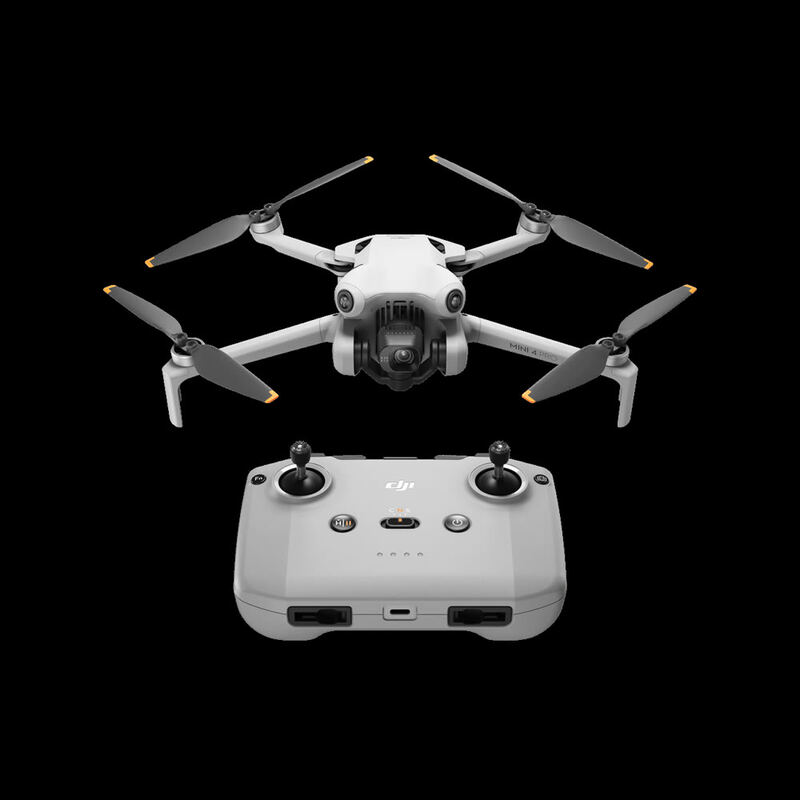
DJI Mini 4 Pro
Higher ratedRanked #2 in Best Drones with Camera Under $1000
DJI Mini 4 Pro
$999as of Jun 7

The DJI Mini 4 Pro is a near-flawless sub-250g drone that remains an outstanding buy now that the Mini 5 Pro sits above it. It pairs full 360-degree obstacle avoidance with an excellent Quad Bayer camera, vertical video, and around 34 minutes of flight time. Its main limitations versus the Mini 5 Pro are the smaller sensor and the lack of LiDAR.

Strengths
  • Sub-250g take-off weight sidesteps registration requirements in most regions
  • Full 360-degree omnidirectional obstacle avoidance for safe, confident flying
  • Excellent Quad Bayer camera with vertical video and D-Log M for grading
Watch-outs
  • Smaller sensor and no LiDAR compared with the newer Mini 5 Pro
  • Iterative rather than revolutionary upgrade over the Mini 3 Pro
  • Top performance and longer flights require the pricier Fly More Combo
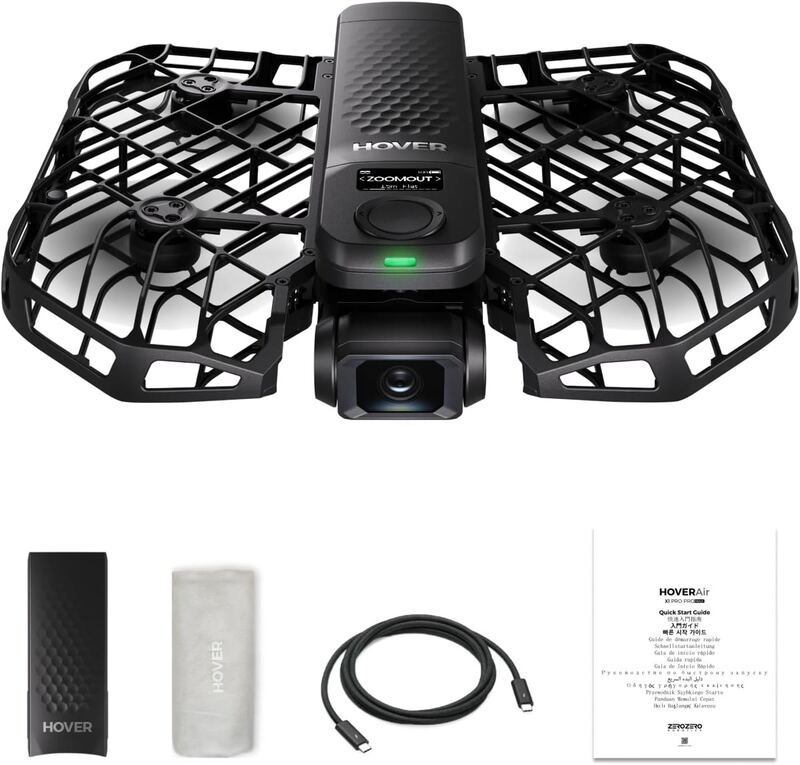
HoverAir X1 Pro
Ranked #3 in Best Drones with Camera Under $1000
HoverAir X1 Pro
$499as of Jun 7

The HoverAir X1 Pro is the best hands-free follow drone under $1000 and the standout non-DJI flying camera. It launches from your palm, tracks you with uncanny accuracy, and captures smooth 4K/60fps footage from a pocketable, cage-protected body. The trade-offs are short flight times, no GPS, and a narrower use case than a full manual camera drone.

Strengths
  • Effortless hands-free flying with palm launch and best-in-class AI subject tracking
  • Smooth 4K/60fps video and detailed stills from a compact, foldable cage-protected body
  • Exceptionally portable and well made, with a useful accessory ecosystem
Watch-outs
  • Short flight times compared with traditional camera drones
  • No built-in GPS, which limits some positioning and return functions
  • Pricey for a selfie/follow drone given its narrower use case

How they stack up

DJI Mini 4 Pro

The step below the DJI Mini 5 Pro, trailing it mainly on sensor size and the lack of LiDAR, but cheaper and still offering full omnidirectional avoidance. Far more capable than the budget DJI Flip and Potensic Atom 2, and a true manual-control camera drone rather than a hands-free follow camera like the HoverAir X1 Pro.

HoverAir X1 Pro

A hands-free follow drone rather than a manual-control camera drone like the DJI Mini 5 Pro and Mini 4 Pro, so it trades range, obstacle avoidance and ultimate image quality for effortless self-filming. More automated and portable than the DJI Flip, and a more polished tracking experience than the Potensic Atom 2.

Specs side-by-side

SpecDJI Mini 4 ProHoverAir X1 Pro
Sensor1/1.3-inch Quad Bayer CMOS1/1.3-inch CMOS
Video4K up to 100fps, D-Log M4K up to 60fps
WeightUnder 249gSub-250g class
SensingOmnidirectional obstacle avoidance
Flight time~34 min
TransmissionDJI O4
Vertical shootingTrue vertical gimbal
Photo48MPJPEG stills
LaunchPalm takeoff, hands-free
TrackingAI subject tracking, 10+ flight modes
DesignFoldable, cage-protected props
GPSNone
← See the full ranking of best drones with camera under $1000