The HoverAir X1 Pro is the best hands-free follow drone under $1000 and the strongest non-DJI flying camera around. It launches from your palm, tracks you with uncanny accuracy, and captures smooth 4K/60fps footage from a pocketable, cage-protected body. The trade-offs are short flight times, no GPS, and a narrower use case than a full manual camera drone.
Full review
Launches from your palm and tracks you automatically
The HoverAir X1 Pro is the best-reviewed non-DJI flying camera, and it occupies a distinct niche: effortless, hands-free self-filming. TechRadar, awarding 4.5 stars, noted that HoverAir drones have dominated the selfie drone arena for some time, and even with the release of the DJI Neo, the HoverAir X1 Pro and ProMax maintain their position as the market leaders, praising them as incredibly easy to use and exceptionally well made. You simply hold the drone on your palm, it launches, and it begins tracking you automatically.
That tracking is the star. T3 described it as pure sorcery in the way it appears to follow the user with incredible accuracy, even following a breadcrumb trail of your exact route at higher speeds like a mountain bike weaving between trees. Space.com, awarding 4 stars, called it an impressive selfie and personal tracking drone whose performance is impressive and that captures great 4K video and JPEG photos. For solo creators, the experience of getting dynamic follow footage with zero piloting is genuinely transformative.
Stills captured as JPEG only, no RAW option
The X1 Pro captures smooth 4K at up to 60fps, and Space.com found the wide-angle focal length fantastic for a selfie drone because it captures both the subject and their environment well, which also makes close following and subject tracking more effective. The footage is stabilized and clean enough for social content and action highlights, and the lower-cost 4K Pro model offers more manageable file sizes for beginners than the 8K ProMax.
Image quality is excellent for the drone's purpose, though TechRadar was candid that it is not perfect and that pricing is arguably a little steep. Stills are captured as JPEGs rather than RAW, which limits heavy editing, and in challenging light the smaller sensor cannot match the 1-inch chip in the DJI Mini 5 Pro. But for the run-and-gun, hands-free follow footage the X1 Pro is built to capture, the results look great and require no piloting skill to achieve.
Design and Ease of Use
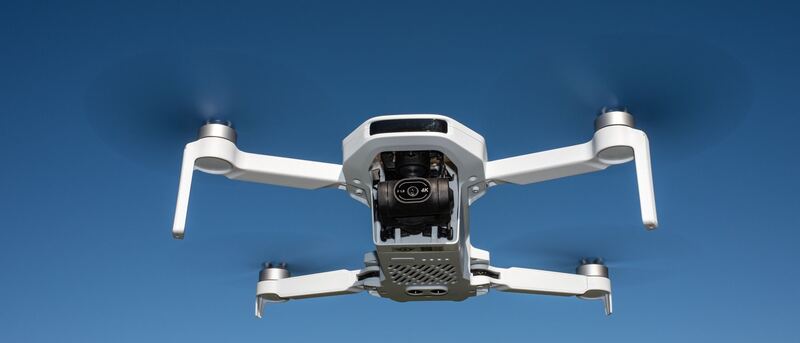
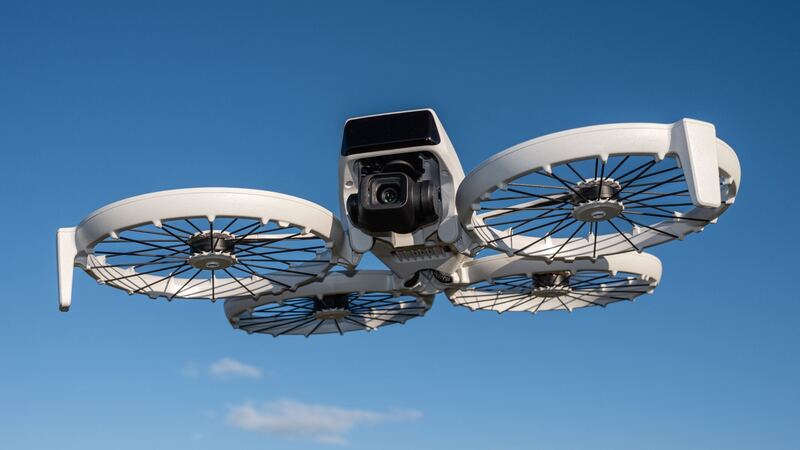
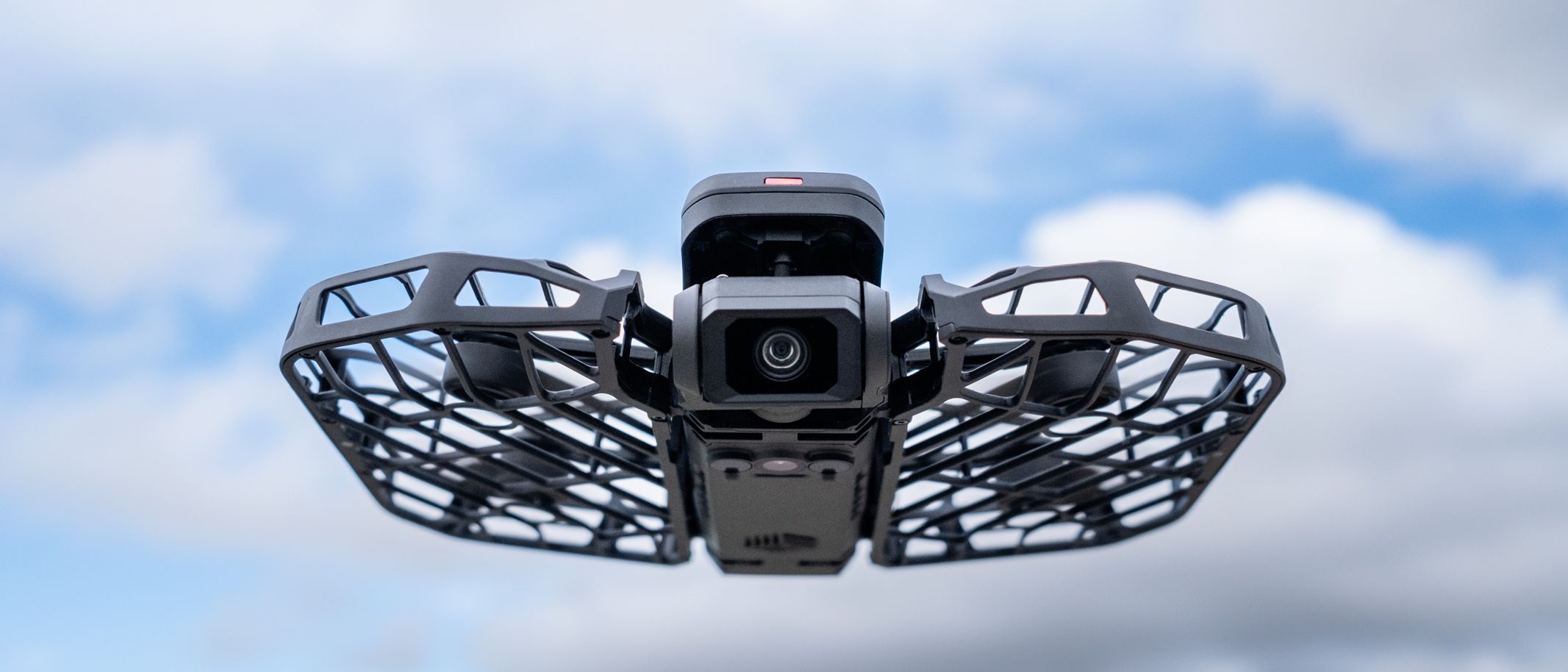
The X1 Pro's design is built entirely around safety and portability. The propellers sit inside a foldable protective cage, so it is safe to launch from and catch in your hand, and the whole drone folds down to a genuinely pocketable size. TechRadar praised how the features on offer alongside the optional accessories create an impressive ecosystem, giving creators a flexible kit that goes well beyond the basic drone. It is, in short, exceptionally well made.
Operation could hardly be simpler. With palm takeoff and more than ten intelligent flight modes covering follow, orbit, reveal, and dronie-style shots, the X1 Pro is genuinely beginner-proof, requiring no controller and no flying skill for most shots. That ease of use is its core appeal: where a traditional drone demands you learn to fly, the X1 Pro just does the work for you, which is exactly why it has dominated the follow-drone category.
Short flight times and no built-in GPS
The X1 Pro's limitations stem directly from its automated, lightweight design. Tom's Guide, awarding 4 stars, was direct: it and the ProMax are fantastic selfie drones, but they are expensive and have short flight times, and there is no built-in GPS either. The short endurance means you get brief shooting windows per battery, so carrying spares is essential for a real session, and the absence of GPS limits some positioning, return, and waypoint functions that traditional drones offer.
It is also a specialist tool rather than a do-everything camera drone. There is no manual long-range flying, no obstacle avoidance in the conventional sense, and no deliberate cinematographic control of the kind the DJI Mini 5 Pro provides. And as TechRadar noted, the pricing is a little steep for what is fundamentally a follow camera. Buyers should be clear that they are paying for effortless self-filming, not for the flexibility of a full camera drone.
A dedicated hands-free follow drone
The X1 Pro is the odd one out in this list, and deliberately so. The DJI Mini 5 Pro and Mini 4 Pro are manual-control camera drones with long range, obstacle avoidance, and bigger sensors, aimed at pilots who want to compose and fly deliberately. The X1 Pro instead removes the piloting entirely, trading range and ultimate image quality for the ability to capture dynamic follow footage of yourself with no skill required. It is more automated and more portable than the DJI Flip, and reviewers consider its tracking more polished than the Potensic Atom 2's.
Where it beats the DJI options is precisely in hands-free self-filming: no other drone here lets a solo cyclist, runner, or skier capture smooth follow shots as effortlessly. Where it loses is everywhere that demands range, manual control, or low-light image quality. It earns its place on this list as the best tool for a specific job that the traditional camera drones simply do not do as well.
$499, a good deal only for self-filming creators
At $499 the X1 Pro is the most affordable drone on this list after the budget options, but its value depends entirely on whether you want what it does. For a creator who films themselves doing activities, the ability to get professional-looking follow footage with zero piloting is worth a great deal, and the price undercuts the DJI Mini 5 Pro substantially. The optional accessories and the step-up 8K ProMax give the lineup useful flexibility.
The caveat, echoed by TechRadar and Tom's Guide, is that the price is steep relative to the narrow use case and the short flight times. If you mainly want to film yourself, the X1 Pro is excellent value; if you want a versatile camera drone for landscapes, travel, and deliberate cinematography, your money goes further on a DJI Mini. Judged as the best hands-free follow camera under $1000, though, it is a justified and worthwhile purchase.
Built for cyclists, runners, and skiers filming solo
The X1 Pro is made for solo creators, cyclists, runners, skiers, and travelers who want effortless follow footage of themselves without learning to fly a drone. Palm launch, automatic tracking, a protective cage, and pocketable folding make it the most approachable flying camera here, and for self-filming activities it produces results that would be hard to capture any other way.
It is the wrong choice if you want long-range flight, manual cinematographic control, obstacle avoidance, or the best low-light image quality, all of which point to the DJI Mini 5 Pro or Mini 4 Pro. Budget buyers who still want a traditional drone should consider the DJI Flip or Potensic Atom 2. But as the standout hands-free follow drone and the best non-DJI flying camera under $1000, the HoverAir X1 Pro is a deserving third place.
Strengths
- +Effortless hands-free flying with palm launch and best-in-class AI subject tracking
- +Smooth 4K/60fps video and detailed stills from a compact, foldable cage-protected body
- +Exceptionally portable and well made, with a useful accessory ecosystem
- +Ten-plus intelligent flight modes for dynamic follow, orbit and reveal shots
- +No registration hassle and genuinely beginner-proof operation
Watch-outs
- −Short flight times compared with traditional camera drones
- −No built-in GPS, which limits some positioning and return functions
- −Pricey for a selfie/follow drone given its narrower use case
- −Not a manual-control camera drone, so less suited to deliberate cinematography
How it compares
A hands-free follow drone rather than a manual-control camera drone like the DJI Mini 5 Pro and Mini 4 Pro, so it trades range, obstacle avoidance and ultimate image quality for effortless self-filming. More automated and portable than the DJI Flip, and a more polished tracking experience than the Potensic Atom 2.
Rating sources
“HoverAir drones have dominated the selfie drone arena for some time, and even with the release of the DJI Neo, the HoverAir X1 PRO and PROMAX maintain their position as the market leaders. They're both incredibly easy to use and exceptionally well made.”
“The HoverAir X1 Pro and X1 ProMax are fantastic selfie drones that are compact and lightweight, and boast great subject tracking... However, they're expensive and have short flight times, and there's no built-in GPS either.”
“The HoverAir X1 PRO is an impressive selfie and personal tracking drone. Its performance is impressive, and it captures great 4K video and JPEG photos.”
Our 4.2 score is the average of these published ratings. More about methodology.