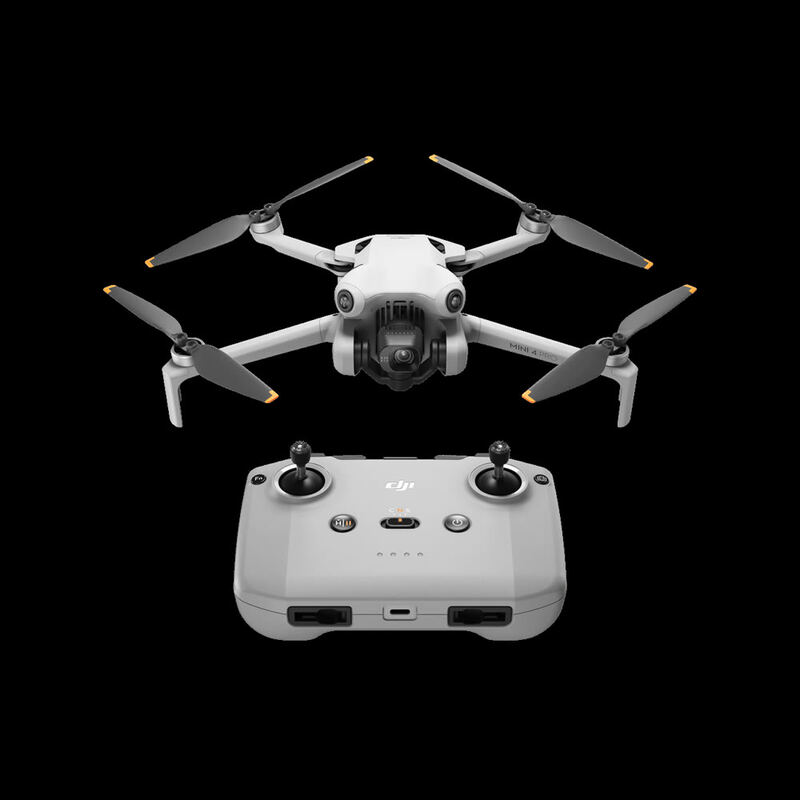
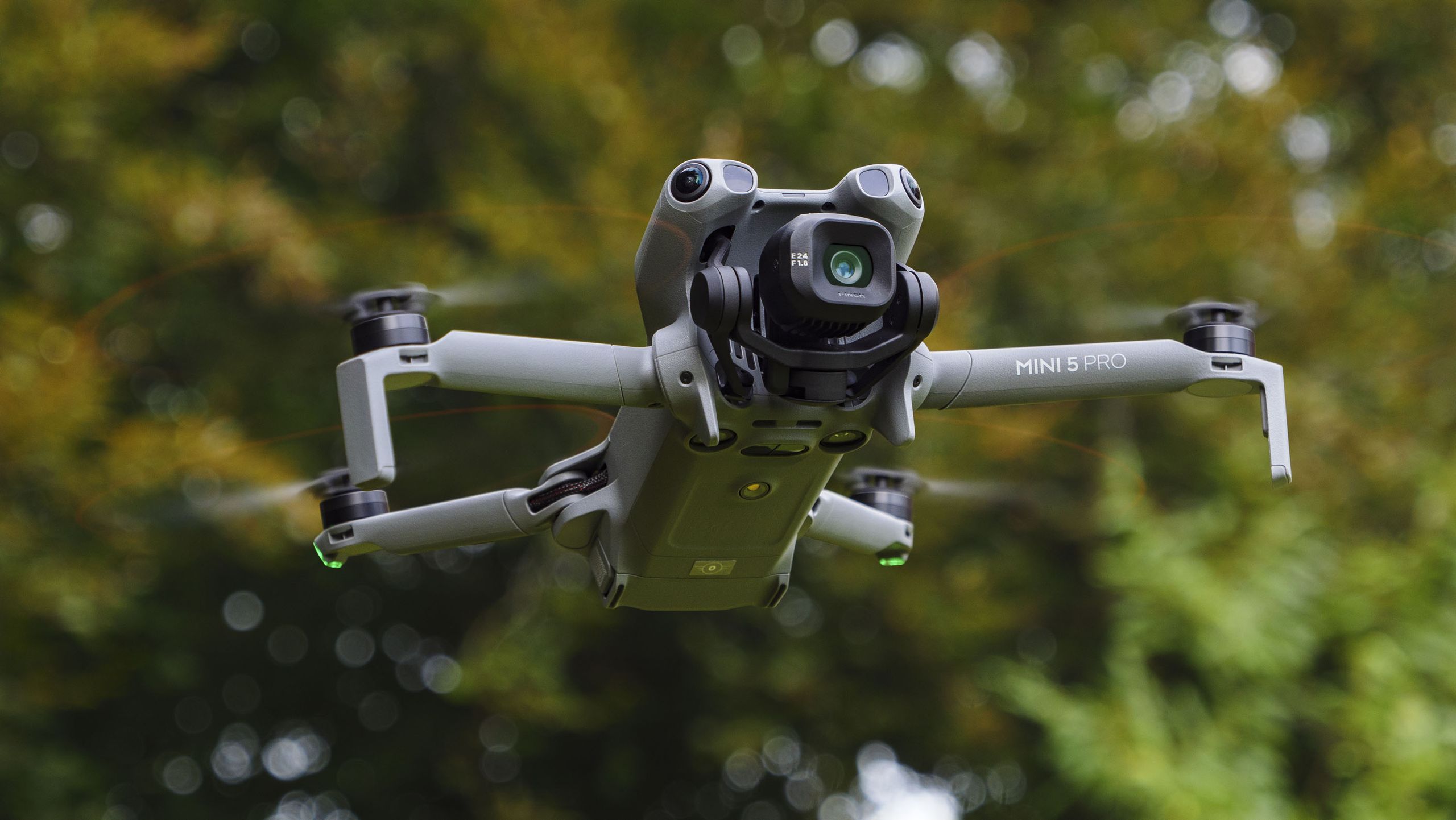
The DJI Mini 5 Pro is the best camera drone under $1000, full stop. A 1-inch sensor and Log profile give it class-leading image quality in a sub-250g body, while omnidirectional sensing with forward LiDAR sets a new safety bar for mini drones. Watch for a real-world take-off weight that can trigger stricter rules, and a price above the entry-level options.
Full review
One of only two drones with a 100% rating from Tom's Guide
The DJI Mini 5 Pro is the drone that nearly every major outlet has crowned the new benchmark for beginners and enthusiasts alike. TechRadar awarded it a perfect five stars, concluding after several weeks of flight sessions that the Mini 5 Pro is the top performer for beginner drones because DJI has squeezed a phenomenal array of tech into a 249.9g body. Tom's Guide also gave it five stars, calling it the new gold standard for beginner quadcopters and one of only two drones in its database to earn a 100% rating.
In the air it feels reassuringly capable. The Mini 5 Pro raises the bar for flight and safety features in such a compact drone, with improved speed and wind resistance over the Mini 4 Pro, and Space.com noted it redefines sub-250g drone possibilities thanks to its 1-inch sensor, rotating camera, and Omnidirectional Vision Sensing System. For a first serious drone, the combination of stability, intelligent flight modes, and forgiving safety systems makes it remarkably easy to get cinematic results quickly.
225-degree gimbal enables true vertical 9:16 video
The headline upgrade is the 1-inch sensor, a meaningful step up from the smaller chips in cheaper drones, and TechRadar was explicit that the larger 1-inch sensor and DJI's Log color profile deliver class-leading video quality. That Log profile gives you real grading latitude, while the bigger sensor pulls in more light for cleaner low-light and dynamic-range performance, which is exactly where budget drones fall apart. Footage holds up to 4K at high frame rates for smooth slow motion.
DJI also added a 225-degree gimbal rotation and genuine vertical shooting, so social-first creators can capture true 9:16 footage without cropping a 16:9 frame. Combined with the rotating camera and DJI's mature color science, the Mini 5 Pro produces images that look like they came from a far larger and more expensive drone, which is the single biggest reason it tops this list ahead of every rival under $1000.
Flight and Safety Features
Safety is where the Mini 5 Pro genuinely breaks new ground for the mini class. It offers omnidirectional obstacle sensing backed by a forward-facing LiDAR sensor, and Tom's Guide highlighted that the drone is capable of returning home even without GPS, a level of redundancy previously reserved for far larger drones. For beginners, this dramatically reduces the chance of an expensive crash, and Tom's Guide called the importance of those safety features impossible to overstate.
Flight performance is strong too, with improved top speed and better wind resistance than the Mini 4 Pro, plus DJI's reliable O4 transmission for a stable, long-range video feed. ActiveTrack and the usual suite of intelligent flight modes work smoothly, and the upgraded return-to-home logic adds confidence. The net effect is a drone that is forgiving enough for a first-timer yet capable enough that experienced pilots will not feel limited.
Real-world weight risks a heavier drone category
The Mini 5 Pro's biggest asterisk is regulatory, and it is a real one. TechRadar flagged that the actual take-off weight could result in it being classed as the next category of drone, hit with restrictions, which is especially relevant in the US where the registration-free advantages of a sub-250g drone can evaporate once you add a propeller guard or a heavier battery. Prospective buyers should check how the drone's real-world weight interacts with their local rules before purchasing.
It is also a pricier proposition than DJI's entry-level Mini 4K, and TechRadar noted that while object sensing will pay for itself in the long run, buyers on a tight budget feel the difference. Battery life, though solid, is only modestly improved over the Mini 4 Pro rather than transformed, and US availability has at times been awkward, frequently routed through third-party sellers rather than DJI directly. None of these undercut the drone's quality, but they are worth weighing.
Squeezes even the heavier, pricier Air 3S
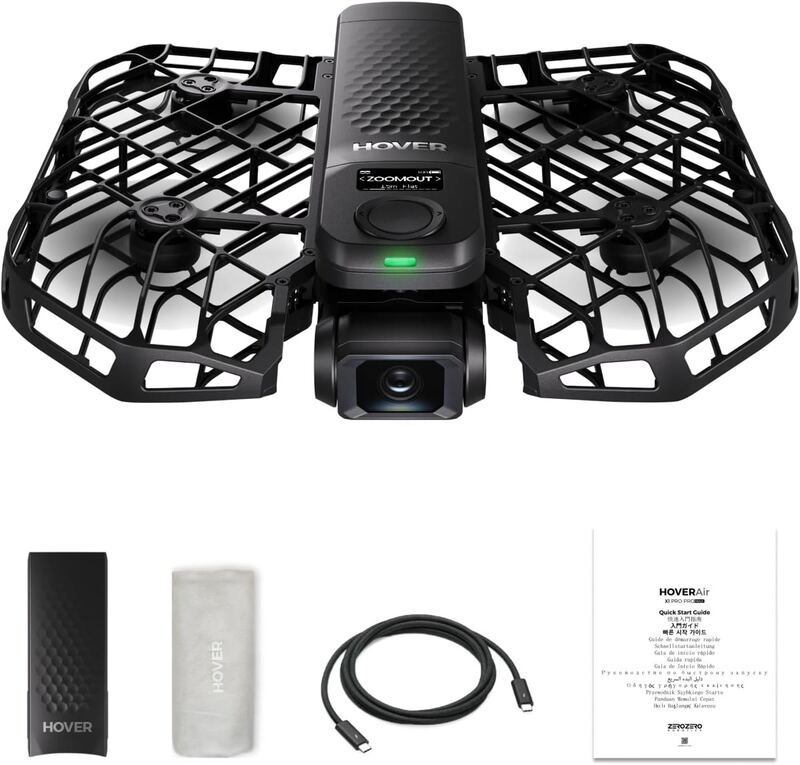
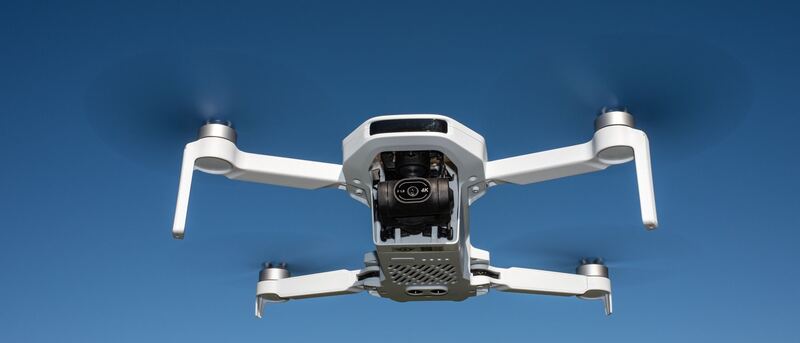
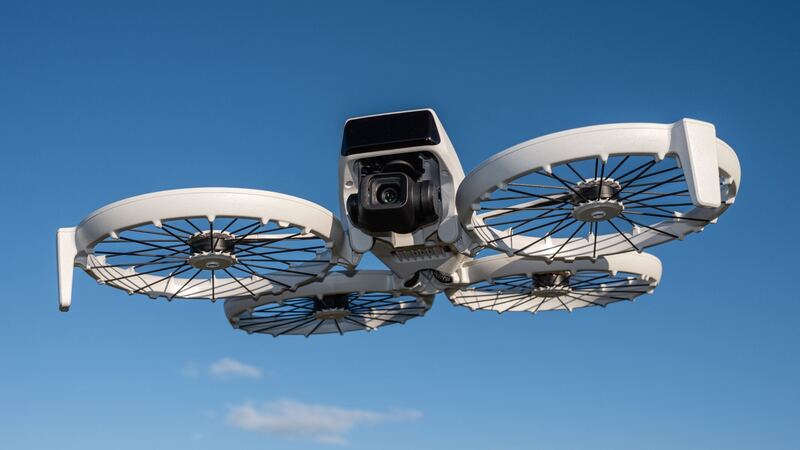
Within this list the Mini 5 Pro sits clearly at the top. The DJI Mini 4 Pro is its closest sibling, but it uses a smaller sensor and lacks the LiDAR and 225-degree gimbal, so the Mini 5 Pro wins decisively on image quality and safety. The budget DJI Flip and Potensic Atom 2 are good value but cannot approach the Mini 5 Pro's sensor, sensing, or range. The HoverAir X1 Pro is a different kind of device entirely, a hands-free follow drone rather than a full manual-control camera drone.
TechRadar summed up its standing by saying the Mini 5 Pro puts the squeeze even on the weightier, pricier DJI Air 3S, which is high praise for a sub-250g drone. If your priority is the best possible footage and the safest flying experience in a package you can travel with anywhere, nothing else under $1000 matches it. The only reasons to choose another drone here are budget or a specific need for hands-free follow shooting.
$799, undercutting heavier 1-inch-sensor rivals
At $799 for the base model, the Mini 5 Pro is not the cheapest drone in this group, but it is arguably the best value in terms of capability per dollar. You are getting a 1-inch sensor, omnidirectional sensing with LiDAR, a fully rotating gimbal, and DJI's mature ecosystem and transmission, a feature set that would have cost far more just a generation ago. For anyone who intends to use a drone seriously rather than occasionally, the extra spend over a budget model is quickly justified.
The Fly More Combo, which bundles extra batteries and accessories, pushes the price higher but adds the multiple batteries that make a real shooting session practical, since a single battery limits you to one flight. Even accounting for that, the Mini 5 Pro undercuts heavier 1-inch-sensor drones like the Air 3S while delivering comparable image quality, which is precisely why reviewers consider it the drone for roughly 90% of buyers.
Scales from first flight to serious creative work
The Mini 5 Pro is the right drone for almost everyone shopping under $1000: travelers who want the sub-250g convenience, content creators who need the best image quality and vertical video, and beginners who want the safety net of omnidirectional sensing and GPS-free return-to-home. It scales from first flight to serious creative work without feeling limiting, which is rare in a single drone.
The main buyers who should look elsewhere are those on a strict budget, who will find the DJI Flip or Potensic Atom 2 more affordable, and those who specifically want a hands-free follow camera for cycling or running, where the HoverAir X1 Pro excels. US buyers should also double-check the take-off-weight regulatory wrinkle. For everyone else, the Mini 5 Pro is the clear best camera drone under $1000.
Strengths
- +Large 1-inch sensor with DJI's Log profile delivers class-leading image quality for a mini drone
- +Sub-250g body keeps it in the restriction-free C0/UK1 category in Europe and the UK
- +Omnidirectional obstacle sensing with forward-facing LiDAR, even returning home without GPS
- +225-degree gimbal rotation and true vertical shooting for social-first creators
- +Strong flight performance with improved speed and wind resistance over the Mini 4 Pro
Watch-outs
- −Actual take-off weight can tip it into a more regulated drone class, a real concern in the US
- −Costs noticeably more than the entry-level Mini 4K
- −Battery life is improved only modestly over the Mini 4 Pro
- −US availability has been complicated, often only through third-party sellers
How it compares
Outclasses the DJI Mini 4 Pro with a larger 1-inch sensor, LiDAR, and 225-degree gimbal, and leaves the budget DJI Flip and Potensic Atom 2 well behind on image quality and sensing. Unlike the follow-focused HoverAir X1 Pro, it is a full manual-control camera drone with obstacle avoidance and far longer range.
Rating sources
“The DJI Mini 5 Pro sets a new standard for safety and imaging quality in mini drones... it's the new gold standard for beginner quadcopters.”
“The DJI Mini 5 Pro redefines sub-250g drone possibilities thanks to its 1-inch sensor, rotating camera, Omnidirectional Vision Sensing System and some impressive video functionality.”
Our 4.8 score is the average of these published ratings. More about methodology.