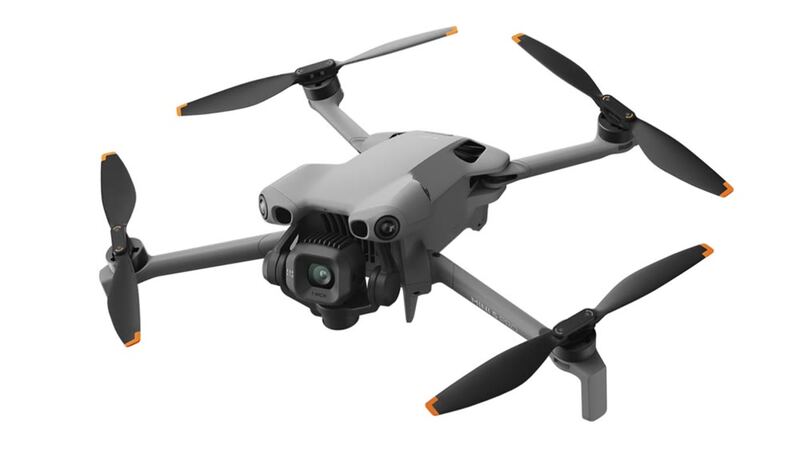
The DJI Flip is a clever beginner drone that blends selfie and vlogging convenience with proper camera-drone control. A premium folding design with enclosed prop guards shoots detailed 48MP stills and smooth 4K/60fps video, all under 250g. The compromises are a shorter flight time than the cheaper Mini 3, wind sensitivity, and forward-only obstacle avoidance.
Full review
Combines caged selfie modes with manual flying
The DJI Flip is one of the more interesting beginner drones DJI has made, blending the safety of a caged selfie drone with the capability of a proper camera drone. TechRadar, awarding 4 stars, called it an interesting idea that potentially marks a new direction for beginner drones designed for multiple use cases, praising the ability to capture photos and videos in both beginner-friendly and more advanced formats. Tom's Guide, also at 4 stars, summed it up as a solid mid-range drone, perfect for those looking to upgrade from older DJI models.
Space.com, awarding 4 stars as well, highlighted its dual nature: a sub-250g beginner drone that is incredibly easy to use with capabilities that allow it to be flown autonomously and as a camera drone. That flexibility is the Flip's whole pitch. New pilots can start with the automated selfie and vlogging modes for safe, hands-off shots, then graduate to standard manual flying as their confidence grows, all from the same affordable drone.
4K/60fps footage at a $439 entry point
For its price, the Flip's camera is impressive. Tom's Guide found it captures detailed 48MP stills in all lighting conditions and records gorgeous 4K/60fps footage, which is a genuinely strong specification at the $439 entry point. The 1/1.3-inch sensor and the various shooting modes give beginners plenty of creative range, and the footage is smooth and social-ready straight off the drone.
The honest ceiling, as Space.com put it, is that the image quality is good but not exceptional. It cannot match the larger 1-inch sensor of the DJI Mini 5 Pro or even fully keep pace with the Mini 4 Pro in demanding light, and that is the expected trade-off at this price tier. But for casual creators, family memories, travel clips, and learning the ropes, the Flip's camera delivers results that look far better than the price suggests.
Design and Ease of Use
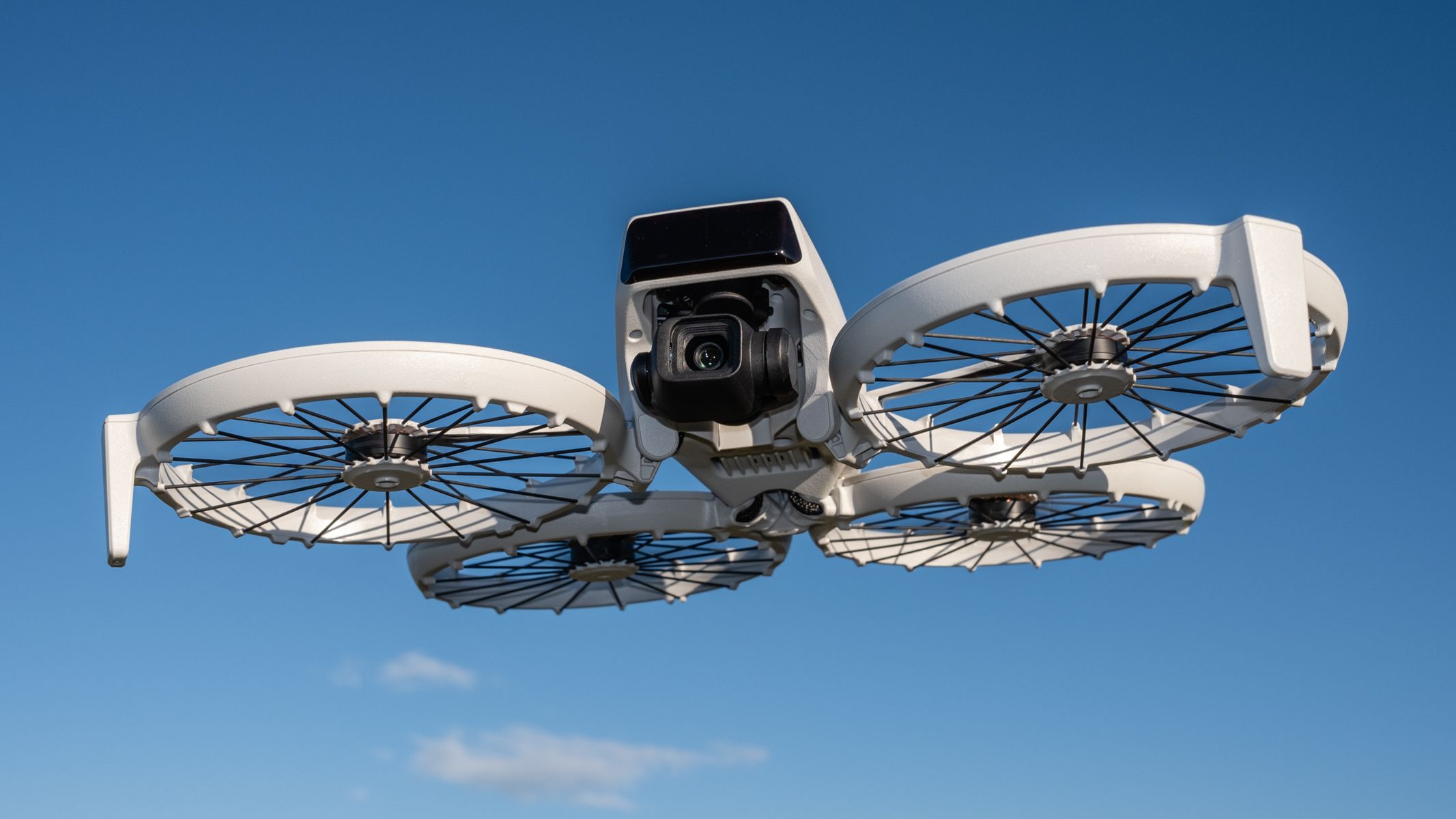
The Flip's standout design feature is its set of fully enclosed propeller guards, which make it safe to launch from and catch in your hand and forgiving of beginner mistakes near obstacles or people. Tom's Guide praised the premium build quality, great design, and slick aesthetic, noting that for a beginner-oriented drone it feels notably well made. The folding form factor keeps it portable, and the integration with DJI's familiar app and ecosystem makes setup painless.
Ease of use is central to the appeal. The Flip offers automated selfie and vlogging modes that require no piloting skill, alongside conventional manual control for users who want to learn proper flying, which is exactly the multiple-use-case flexibility TechRadar highlighted. That combination makes it one of the most approachable ways into camera drones, particularly for someone stepping up from a phone or an older, simpler drone.
Forward-facing obstacle avoidance only, not omnidirectional
The Flip's weaknesses are typical of its price and class. Tom's Guide flagged that it has a lower flight time than cheaper models, even from DJI itself such as the Mini 3, so you get less air time per battery than you might expect. Its light weight also makes it, in Tom's Guide's words, susceptible to gusts of wind, which can unsettle footage and flight stability in breezy conditions, an issue lightweight drones generally share.
Crucially for safety-conscious beginners, the Flip features forward-facing obstacle avoidance only, not the full omnidirectional sensing of the DJI Mini 4 Pro and Mini 5 Pro, so it can only detect hazards ahead of it. Combined with image quality that Space.com rated good but not exceptional, these limitations keep the Flip firmly in the affordable-beginner tier rather than competing with the pricier Mini Pro models on capability.
DJI's most affordable entry, below the Mini Pro line
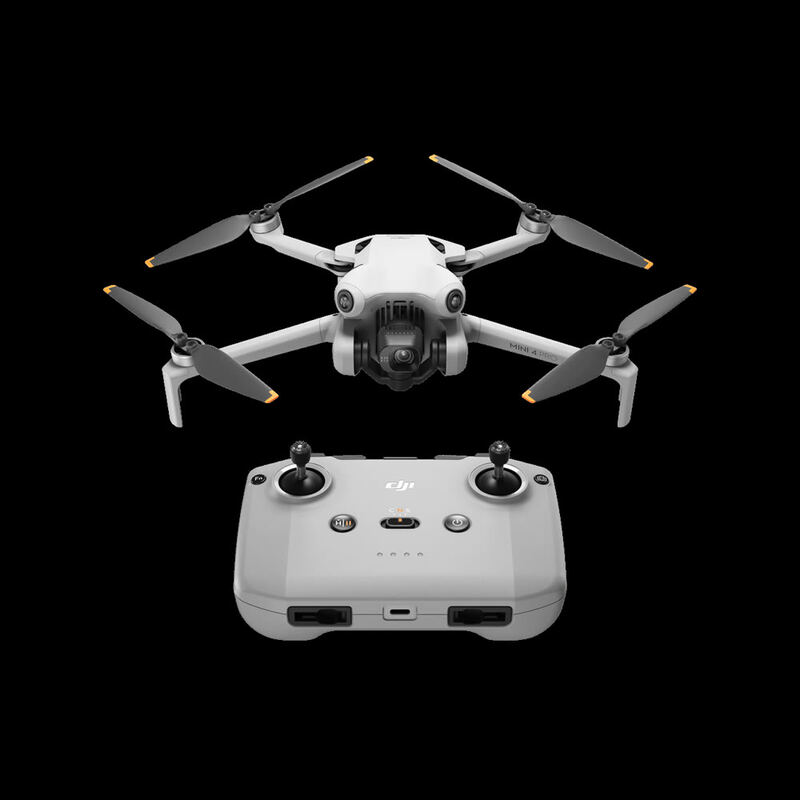
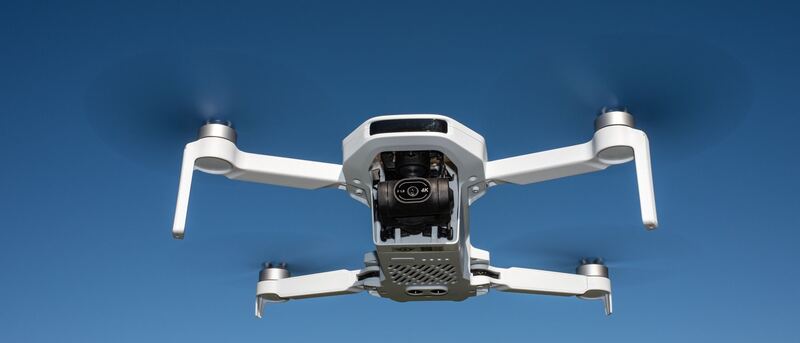
Within this list the Flip is the affordable DJI entry point, sitting below the Mini 4 Pro and Mini 5 Pro. Those drones offer omnidirectional sensing, longer flight times, and better cameras, but cost more; the Flip undercuts them while still delivering DJI's reliability and a capable 48MP/4K camera. Against the Potensic Atom 2, the Flip is the DJI-ecosystem option at a similar price, with the advantage of DJI's software and the unique enclosed-cage selfie-drone format.
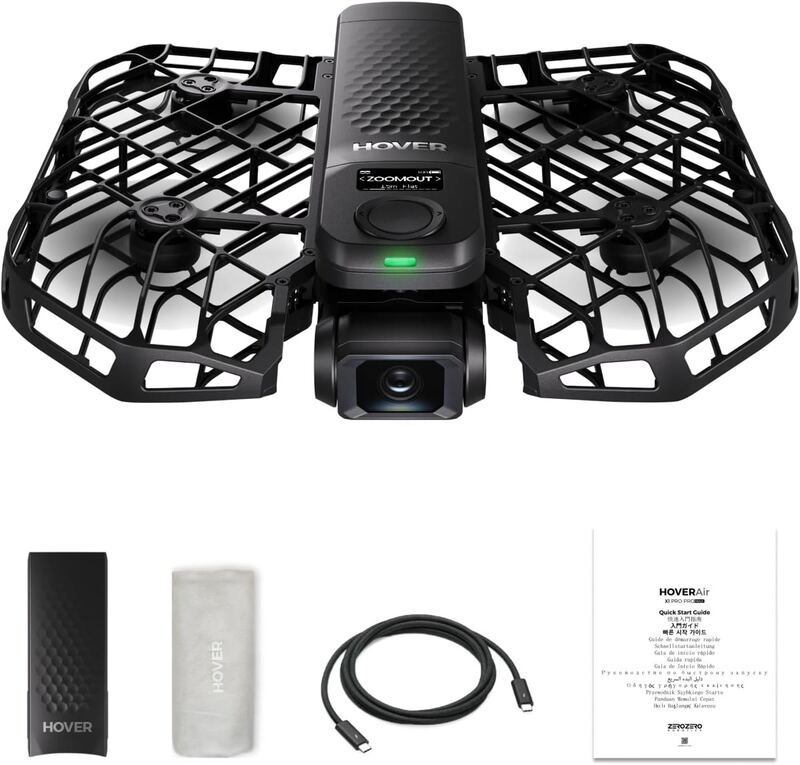
Compared with the HoverAir X1 Pro, the Flip is more of a hybrid: it does the automated selfie shots the HoverAir specializes in, but it can also be flown manually as a conventional camera drone, whereas the X1 Pro is purely a hands-free follow camera. The Flip's argument is versatility for the money, offering two modes of operation in one inexpensive, safe, well-built package.
$439 for enclosed prop guards and dual flight modes
Starting at $439, the Flip is one of the best-value ways into DJI's ecosystem. You get a premium-feeling folding drone with enclosed prop guards, a 48MP camera shooting 4K/60fps, and the flexibility of both automated and manual flight, a combination that is hard to match at the price. TechRadar specifically noted that the price of the Flip is competitive given what it offers.
The value equation favors the Flip for beginners and casual users who do not need omnidirectional sensing or a 1-inch sensor, and who appreciate the safety of the caged design. Buyers who want longer flights, better wind resistance, or all-around obstacle avoidance will get more from stepping up to the Mini 4 Pro. But as an affordable, friendly, genuinely capable starter drone, the Flip offers a lot for the money and a low-risk entry into aerial shooting.
A beginner's bridge into DJI's ecosystem
The Flip is ideal for beginners who want an affordable, easy-to-fly DJI drone that can do double duty as a selfie/vlogging camera and a standard manual camera drone. The enclosed propeller guards make it safe and forgiving, the camera punches above its price, and the dual operating modes let new pilots grow into manual flying at their own pace.
It is less suited to anyone who needs long flight times, strong wind resistance, omnidirectional obstacle avoidance, or top-tier image quality, all of which point to the DJI Mini 4 Pro or Mini 5 Pro. Creators who only want hands-free follow footage may prefer the HoverAir X1 Pro. But for a safe, versatile, budget-friendly first drone from a trusted brand, the DJI Flip is an excellent choice.
Strengths
- +Premium build and slick folding design with fully enclosed propeller guards
- +Detailed 48MP stills and smooth 4K/60fps video for the price
- +Beginner-friendly with both selfie/vlogging modes and standard camera-drone control
- +Sub-250g take-off weight avoids registration in most regions
- +Great value entry point into DJI's drone ecosystem
Watch-outs
- −Lower flight time than the cheaper DJI Mini 3
- −Lightweight body is susceptible to gusts of wind
- −Forward-facing obstacle avoidance only, not omnidirectional
- −Image quality is good but not exceptional
How it compares
A budget beginner drone below the DJI Mini 4 Pro and Mini 5 Pro, with forward-only obstacle avoidance rather than their omnidirectional sensing. More of a hybrid selfie-and-camera drone than the pure follow-focused HoverAir X1 Pro, and a DJI-ecosystem alternative to the Potensic Atom 2 at a similar price.
Rating sources
“The DJI Flip is an interesting idea, and potentially marks a new direction for beginner drones designed for multiple use cases. The ability to capture photos and videos in both beginner-friendly and more advanced formats is welcome, while the price of the Flip is competitive.”
“The DJI Flip is a solid mid-range drone, perfect for those looking to upgrade from older DJI models. It captures detailed 48MP stills in all lighting conditions, and records gorgeous 4K/60fps footage... However, it has a lower flight time than cheaper models.”
“The DJI Flip is a sub-250 g beginner drone that's incredibly easy to use with capabilities that allow it to be flown autonomously and as a camera drone. The image quality is good, but not exceptional.”
Our 4.0 score is the average of these published ratings. More about methodology.