Verdict
Head-to-head · Best Studio Monitor Speakers Under $500

JBL 305P MkII vs Yamaha HS5

Which is the better buy? Side-by-side on rating, price, strengths, and watch-outs — with the published ratings we averaged to get there.

The short answer

Yamaha HS5 comes out ahead by a narrow margin (4.5 vs 4.6). The gap is mostly about engineers who want the classic, unflattering reference voicing that makes a bad mix sound bad — read the strengths below before deciding.

JBL 305P MkII
Ranked #4 in Best Studio Monitor Speakers Under $500
JBL 305P MkII
$149as of May 26

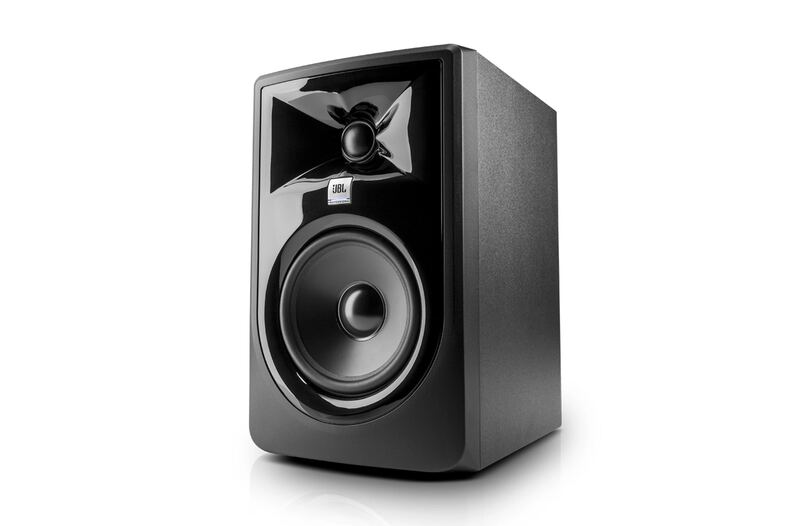
The 305P MkII is the value-and-headroom pick, built around JBL's Image Control Waveguide that gives it the widest sweet spot in this group. MusicRadar was hugely impressed for the price and noted it is a little flattering, which it framed as helpful for beginners. With 82W and a 108 dB peak SPL it has the most output here. Measurement-focused reviewers caught some midbass resonance, so it is not the most surgically neutral option.

Strengths
  • Image Control Waveguide throws an unusually wide, forgiving sweet spot
  • 82W of Class D power and a 108 dB peak SPL, the highest output in this group
  • Clear, articulate sound that flatters beginners without being misleading
Watch-outs
  • Erin's Audio Corner measured midbass resonances and a 1.6-1.8 kHz peak that can color mixes
  • Slightly flattering voicing is less neutral than experienced mixers may want
  • Only XLR and TRS inputs, no RCA for consumer sources
Yamaha HS5
Higher ratedRanked #2 in Best Studio Monitor Speakers Under $500
Yamaha HS5
$199as of May 26

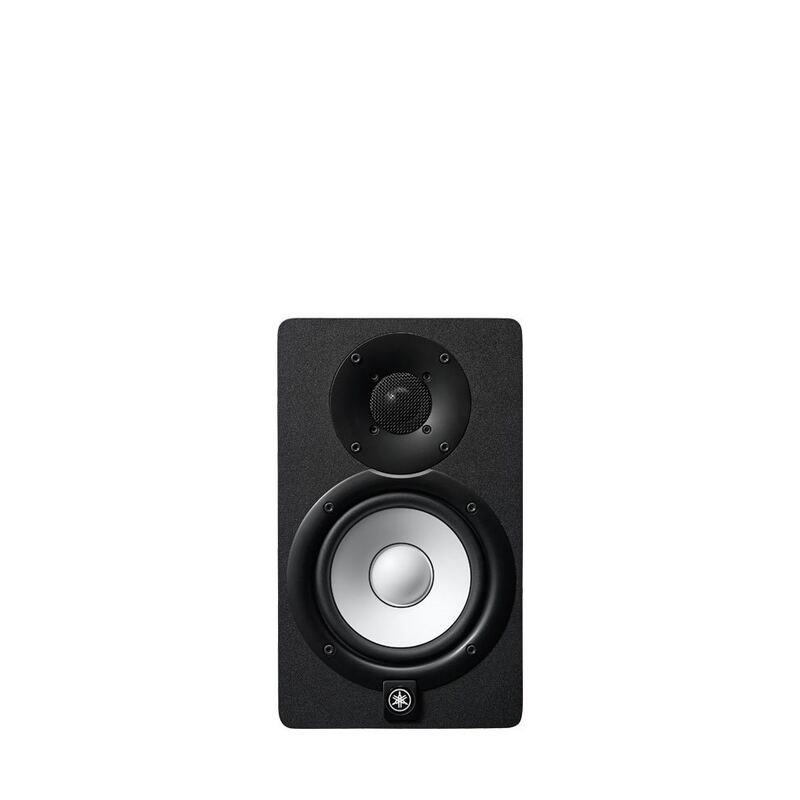
The HS5 is the long-running reference standard for budget nearfield monitoring. MusicRadar called it the best-sounding monitor in its price range by a mile and gave it 4.5 stars, praising imaging and high-frequency detail. Its mid-forward, brutally honest voicing is its whole appeal: it shows you problems, which is exactly what a mixing monitor should do. The trade-off is a shallow low end and a presentation that is the opposite of flattering.

Strengths
  • The benchmark mid-forward reference sound that exposes mix problems other monitors hide
  • Stays clear and articulate even on a console shelf where many nearfields turn muddy
  • 70W bi-amped design with separate 45W LF and 25W HF amplifiers
Watch-outs
  • Rated only to 54 Hz, so bass-heavy genres really need a subwoofer
  • The mid-forward voicing is unforgiving and can sound clinical or fatiguing
  • Sonarworks measured a +3 dB peak near 1 kHz that colors the midrange

How they stack up

JBL 305P MkII

The widest sweet spot and most output of the group, thanks to the Image Control Waveguide and 82W amplification versus the KRK Rokit 5 G5's 55W or the Yamaha HS5's 70W. Its voicing is more flattering and slightly less neutral than the Yamaha HS5 or Adam Audio T5V, but it forgives placement better than the narrow-vertical-window Adam Audio T5V. The PreSonus Eris E5 is its closest value rival.

Yamaha HS5

The industry-standard mid-forward reference. It does not reach as low as the Adam Audio T5V (45 Hz) and lacks the ribbon-tweeter air the T5V offers, but its midrange honesty exposes mix issues more bluntly than the smoother PreSonus Eris E5 or the flattering JBL 305P MkII. The KRK Rokit 5 G5 offers DSP voicings the fixed-character HS5 deliberately does not.

Specs side-by-side

SpecJBL 305P MkIIYamaha HS5
Woofer5" (126mm)5" cone
Tweeter1" woven-composite neodymium soft dome1" dome
Frequency Response49 Hz - 20 kHz (±3 dB)54 Hz - 30 kHz
Amp Power82W Class D (41W LF + 41W HF)45W LF + 25W HF (70W bi-amp)
Max Peak SPL108 dB
WaveguideImage Control Waveguide
InputsXLR + 1/4" TRSXLR + TRS
EQBoundary EQ switch
ControlsRoom Control + High Trim
Weight11.7 lb
Warranty1-year
← See the full ranking of best studio monitor speakers under $500