The Brooks Adrenaline GTS 25 refines a long-standing stability shoe, adding cushioning without changing what it is for. Reviewers pointed to the 10mm drop and smoother heel transition as the meaningful improvements. Fit is secure and medial support is consistent, which suits daily training and long runs. Speed work is not the assignment: reviewers describe the ride as plush but unresponsive, and the updated DNA LOFT v3 foam adds comfort at the cost of responsiveness, which makes it better for slower, recovery runs than fast workouts. Runners who want moderate stability and cushioning, especially over longer distances, are the fit.
Full review
Drop reduced from 12mm to 10mm
The Brooks Adrenaline GTS 25 is the silver anniversary update to Brooks' flagship stability trainer — the "GTS" stands for "Go-To-Support," and the platform has anchored Brooks' overpronation-control lineup for 25 generations. The shoe uses GuideRails technology along the medial and lateral edges, providing reinforcement against excessive inward foot roll without obstructing natural gait. RunRepeat cut the shoe in half and measured a 10.2mm drop against Brooks' stated 10.0mm over the DNA LOFT v3 midsole, and Doctors of Running calls that a first for a series which has traditionally sat above 12mm.
Real-world overpronation control is genuinely effective for mild to moderate overpronators. The GuideRails work like bowling alley bumpers — present when needed but not intrusively overcorrecting natural gait. The Running Well Store's reviewer specifically noted the shoe genuinely controls overpronation without feeling restrictive. For severe overpronators, the Brooks Beast GTS provides more aggressive control; the Adrenaline is the right choice for the much larger mild-to-moderate overpronation population.
10.6 ounces, heavier than the Ghost 18
The Adrenaline GTS 25's GuideRails are integrated into the midsole rather than added as separate posts — Brooks' approach differs from traditional medial-post stability shoes that use firmer foam at the arch. The nitrogen-infused DNA LOFT v3 midsole provides softer cushioning than previous generations; Run Moore's review noted the foam delivers a slightly more plush ride than the GTS 24. Stack heights run roughly 36mm heel and 26mm forefoot for the new 10mm drop — moderate cushioning that suits varied training contexts. The shoe weighs roughly 10.6 oz for men's size 9 — heavier than the Ghost 18 due to the stability hardware.
The upper uses padded mesh with structured support at the heel and midfoot. The lacing system accommodates standard foot shapes; some reviewers report the toe box runs slightly narrow for high-arched runners. Brooks offers the Adrenaline GTS 25 in wide widths to address fit constraints. The outsole uses Brooks' high-abrasion rubber at high-wear zones; durability is solid through 400-500 miles for most runners. The shoe is widely stocked at running specialty stores, which supports proper fit assessment for overpronation needs.
25 generations of the same reliable support
The unobtrusive overpronation control is the unanimous favorite feature. Northern Runner and Find My Footwear both observe that the GuideRails system provides genuine support without the rigid feel of traditional medial-post stability shoes. Alastair Running specifically noted the softer cushioning and roomier fit while maintaining the same reliable support. The reduced 10mm drop is the most-cited specific upgrade; the smoother heel-to-toe transition feels more natural than the previous 12mm drop.
Reviewers also appreciate the platform's reliability across generations. The Adrenaline GTS has been Brooks' overpronation default for 25 generations, supporting buyers who appreciate consistent fit and feel across long-term ownership. Brooks' customer service support and the platform's broad availability through running specialty stores provide confidence in long-term ownership. Run and Become's review positioned the GTS 25 as a solid stability shoe for runners seeking dependable, daily-training overpronation control.
Too heavy for uptempo speed workouts
The shoe is heavy and lacks lively bounce. RunRepeat and several other reviewers noted that the extra weight and cushioning resulted in a heavy, bulky feel particularly noticeable on uptempo runs or speed workouts. The Adrenaline GTS 25 feels dependable and stable but lacks the modern responsive pop of PEBA-foam alternatives. For runners wanting one shoe that handles both stability and faster paces, the GTS 25 falls short on the speed-pace side. Pure speed days should be handled by separate trainers.
The mid-tier overpronation control suits mild to moderate overpronators but not severe cases. Mountaineer Journey's reviewer noted that runners requiring aggressive motion control should consider the Brooks Beast GTS instead — the Adrenaline is intentionally gentler. The fit can feel narrow for high-arched runners; wide widths are available but require specific ordering. The shoe is priced at $140 MSRP, which is competitive but not budget-tier for buyers wanting cheap overpronation control.
Lighter than the Brooks Beast GTS
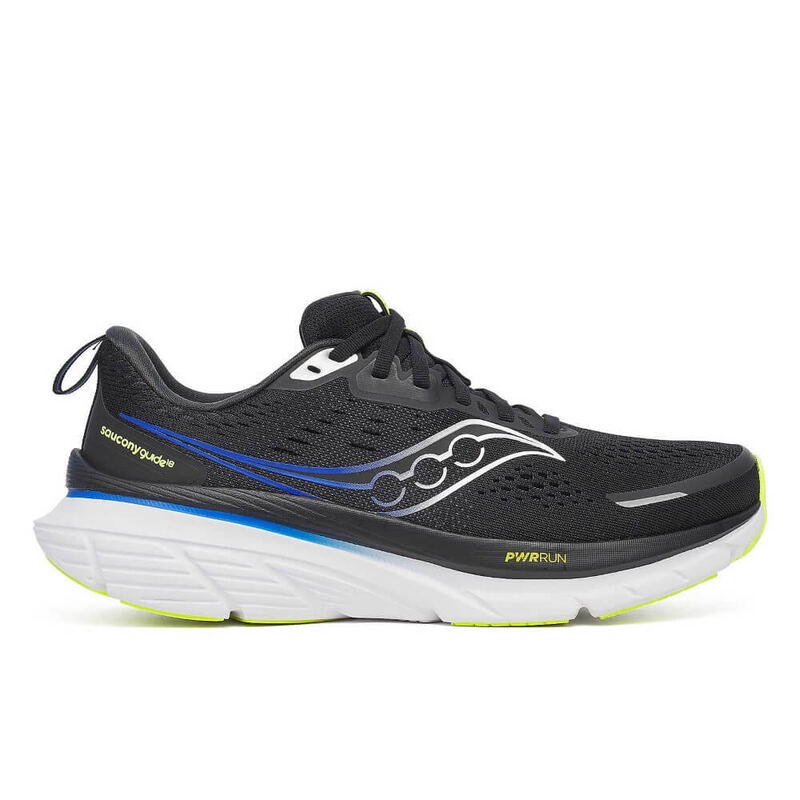
Against the Saucony Guide 18 ($140), both shoes target similar mild-to-moderate overpronation use cases at the same price. The Guide uses CenterPath technology rather than GuideRails — both approaches work, with personal preference driving the choice. The Saucony Guide is slightly lighter; the Brooks Adrenaline has stronger overpronation control. Against the Saucony Hurricane 25 ($170), the Adrenaline is less cushioned at lower price; the Hurricane offers max-cushion stability for heavier runners or longer distances.
Against the ASICS Gel-Kayano 31 ($165), the Adrenaline is less expensive with similar overpronation control via different technology (GuideRails vs 4D Guidance). For runners brand-loyal to one ecosystem, the Kayano is the ASICS equivalent of the Adrenaline. Against the Brooks Beast GTS ($170), the Adrenaline is lighter and less aggressive in stability control — the right choice for mild-to-moderate rather than severe overpronators. Within Brooks' stability lineup, the Adrenaline is the daily trainer; the Beast handles serious overpronation.
90-day return window through specialty stores
At $140 MSRP, the Adrenaline GTS 25 is competitively priced within the stability category. The platform's 25-generation reliability and Brooks' brand recognition justify the price for buyers wanting proven overpronation control. The GuideRails system is functionally equivalent to more expensive stability technologies — the value proposition is delivering effective stability without the premium pricing of category-leading max-stability shoes.
Brooks' brand recognition supports resale value and consistent availability. Used Adrenaline GTS 25 units typically clear at 40-50% of new pricing on active marketplaces. Brooks' typical 90-day return policy through running specialty stores provides risk reduction for buyers uncertain about fit. The shoe is widely stocked at specialty running stores, which supports proper fit assessment before purchase. Total cost of ownership over 400-500 mile shoe lifespan is competitive within the stability category.
Aimed at mild-to-moderate overpronators
The Brooks Adrenaline GTS 25 is the right running shoe for mild-to-moderate overpronators wanting unobtrusive stability control with familiar Brooks reliability. If you've been told you overpronate, log 15-40 miles per week at primarily easy to moderate paces, and want proven stability technology without aggressive medial-post intrusion, this is the natural choice.
Pass on the Adrenaline GTS 25 if you have severe overpronation requiring aggressive control (Brooks Beast GTS), if you want lightweight responsive ride for varied paces (Saucony Guide 18 is slightly lighter), if you need max-cushion stability (Saucony Hurricane 25 for heavier runners), or if you don't actually overpronate (neutral shoes like Brooks Ghost 18 or ASICS Novablast). Speed-focused stability runners may find the GTS 25 too heavy for uptempo training.
Strengths
- +More cushioning added with 3mm forefoot and 1mm heel upgrade for smoother ride
- +10mm heel-to-toe drop for improved heel transition compared to previous models
- +Secure fit with thick upper and stiff heel counter for stability
- +Maintains classic medial support for runners needing moderate stability
Watch-outs
- −Not responsive, with midsole feeling less bouncy than other models
- −Forefoot firms up over longer mileage, reducing plushness
- −Average durability expectations for daily training shoe
How it compares
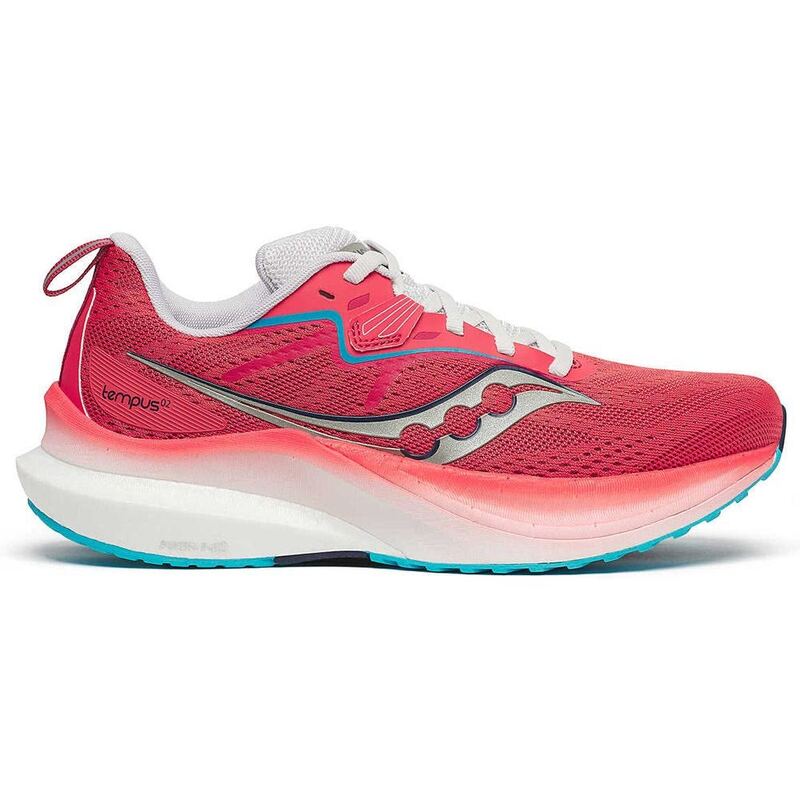
The Brooks Adrenaline GTS 25 offers more cushioning and a smoother ride than the Saucony Hurricane 25, but lacks the energy return and lighter weight of the Saucony Tempus 2. Unlike the ASICS Gel-Kayano 32, it provides a more balanced cushioning experience without the overly thick midsole that feels bottom-heavy.
Rating sources
“The Brooks Adrenaline GTS 25 is a moderate stability daily training shoe for those who want classic medial stability with the smoothest heel transition the Adrenaline has ever had.”
“The Brooks Adrenaline GTS 25 manages to do just that, and do it comfortably.”
“I am a huge fan of Brooks sneakers, specifically the Ghost line, so much so that I wrote a love letter to them in the form of a gushing review this summer.”
“The GuideRails technology creates raised sidewalls from the heel to the midfoot, guiding your foot through each stride without forcing an aggressive correction.”
Our 4.2 score is the average of the 5 scored reviews above; 1 more reviewed it without printing a score and is not in the average. Ratings marked * were derived from the reviewer’s written analysis or video transcript — the publisher didn’t print an explicit numeric score, so we inferred one from their own words. Click through to verify. More about methodology.