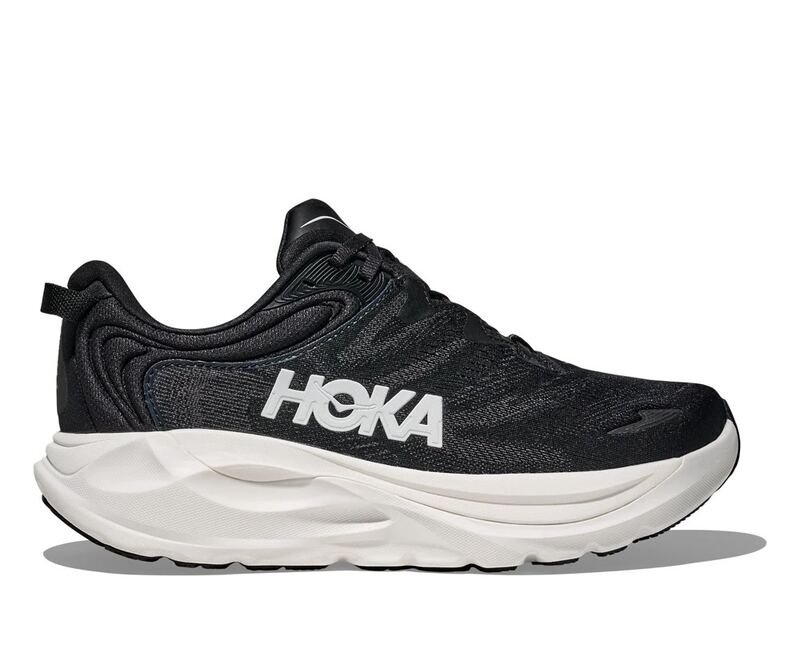
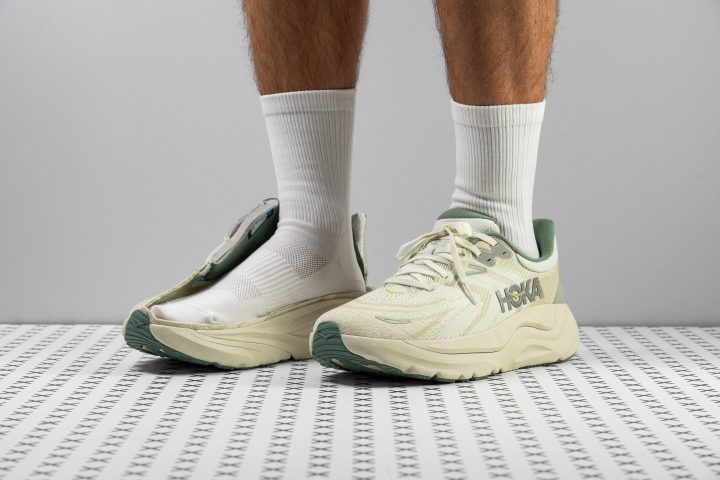
RunRepeat says the Hoka Arahi 8 finally feels modern again after a long-awaited refresh. Reviewers praised the softer foam, wider fit, tall stack, and higher drop, all of which help heel strikers. It now borrows the H-Frame stability system from the Gaviota for steady support. RunRepeat also noted a small price increase and poor breathability in hot weather. Jordan Levy from Prevention.com found the Arahi 8 supportive, comfortable, and stable, though the rocker design makes it awkward for walking. Runners who want mild stability and cushioning are the fit; anyone training in hot climates or needing superior traction should look elsewhere.
Full review
H-Frame support replaces the Arahi 7's J-Frame
The structural change in the Arahi 8 is the switch from a J-Frame to the H-Frame system borrowed from the Gaviota, which braces the lateral side as well as the medial one instead of posting only the inside edge. Running Shoes Guru's TJ Jones described the result as adaptive stability that is there when you need it, and called the updated midsole more complete and balanced than the version it replaces. The support reads as centralised through the length of the shoe rather than as a hard wedge under the arch.
CMEVA foam that got softer, not springier
The midsole is standard CMEVA rather than a supercritical foam, so it feels soft underfoot without much rebound: RunRepeat's figures put energy return at 54.4% in the heel and 60.9% in the forefoot. Shock absorption is where the generational change shows, at 138 SA in the heel against 106 SA on the previous version. RunRepeat's Carlos Sanchez recommends the shoe specifically to runners who found the Arahi 7 too firm.
Double jacquard mesh that traps heat
The upper moved to a double jacquard mesh, which Running Shoes Guru credits for better durability and a wider forefoot than the old flat knit. The cost is airflow. RunRepeat's lab flagged very poor breathability, and it is the most repeated criticism of the shoe, enough that RunRepeat points hot-climate runners at the ASICS GT-2000 or Brooks Adrenaline GTS 23 instead. The wider fit also runs loose on narrow feet.
Durabrasion rubber that gives up on wet pavement
The outsole holds up to mileage well, with RunRepeat rating durability as good, but traction is the weak point and RunRepeat describes it as underwhelming on wet surfaces. On dry pavement the early-stage Meta Rocker smooths transitions and the shoe is comfortable and plush for everyday use. This is a road shoe, and nothing in the outsole design argues for taking it onto trails.
Rocker geometry that runs better than it walks
Prevention's Jordan Levy found the Arahi 8 supportive, comfortable and stable to run in but awkward to walk in, because the rocker keeps tipping the foot forward at walking cadence. Running Shoes Guru's TJ Jones adds that it can feel bulky during quicker efforts and wants a longer-than-usual break-in period. At 9.1 oz it is still light for a stability shoe, which is most of why it works as a daily trainer for heel strikers.
Strengths
- +Impressively lightweight for its size
- +Strong shock absorption with 138 SA in heel compared to 106 SA in previous version
- +Wider fit than previous versions
Watch-outs
- −Very poor breathability
- −Grip needs to improve, especially on wet surfaces
How it compares
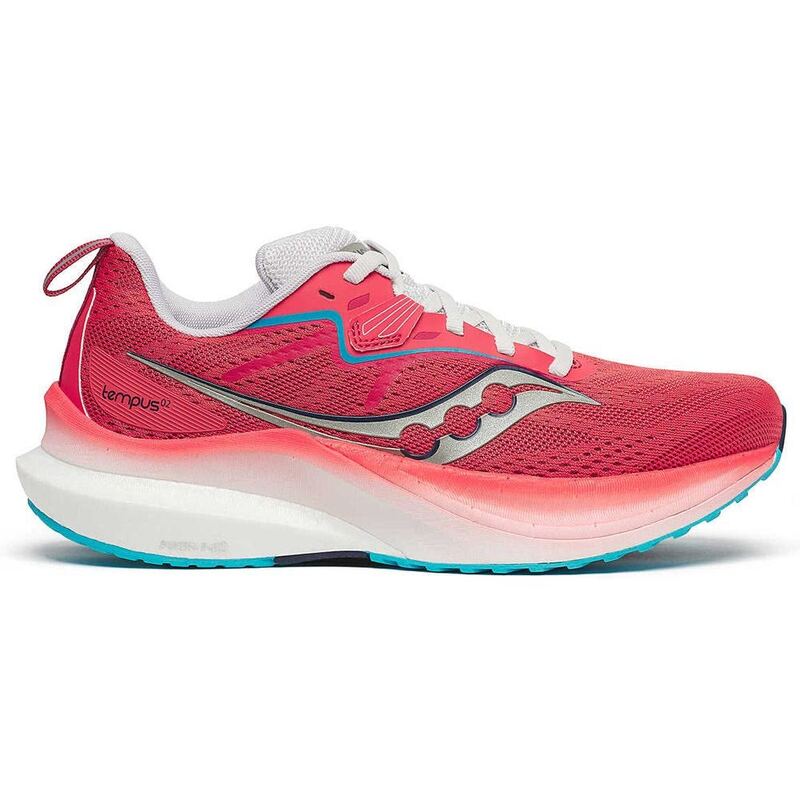
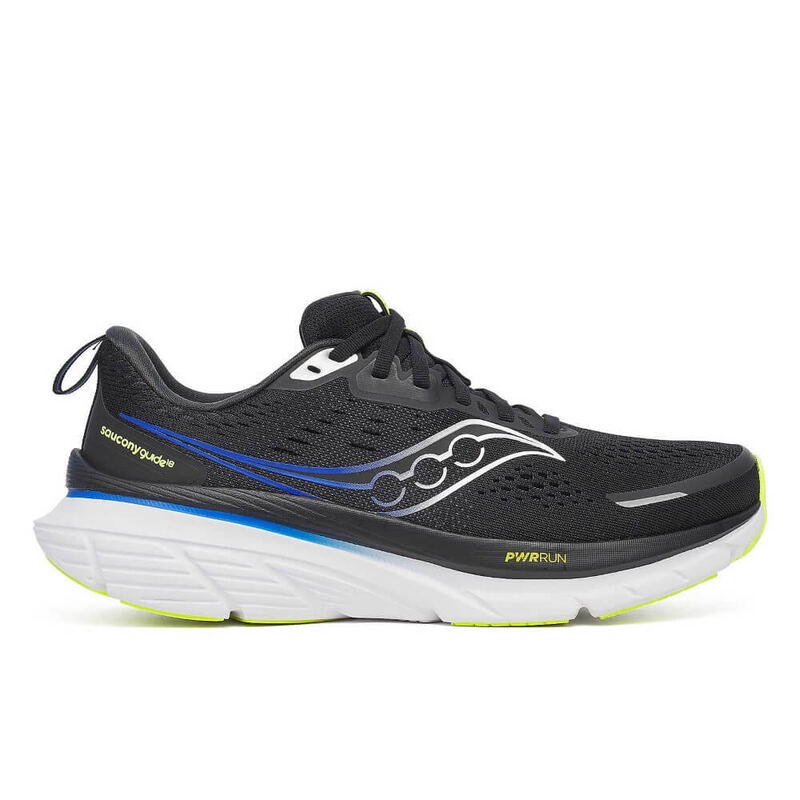
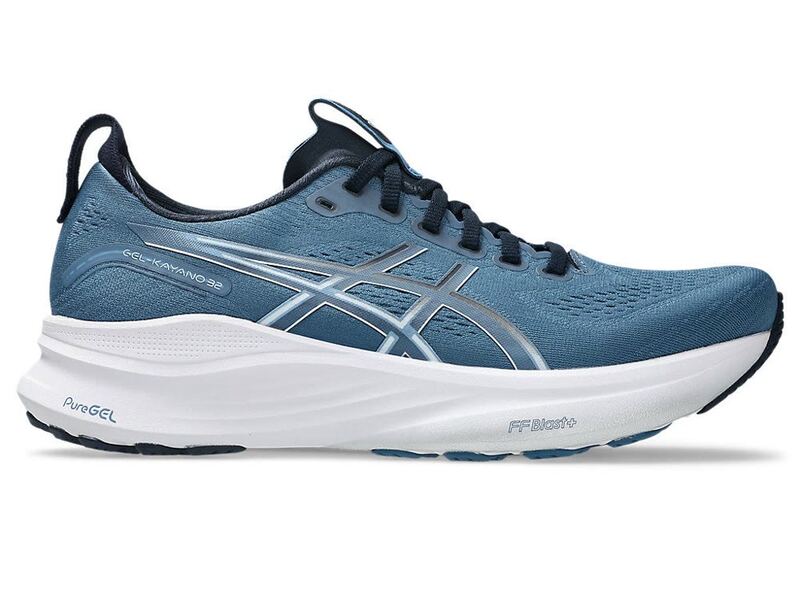
The Hoka Arahi 8 is more lightweight than the ASICS Gel-Kayano 32 and offers better stability than the Saucony Guide 18, but it suffers from poor breathability compared to the New Balance Fresh Foam X 860 v14. Unlike the Hoka Gaviota 6, it provides better shock absorption but lacks the roomy fit of the Gaviota.
Rating sources
“I’m glad I did—they pleasantly surprised me. Keep scrolling for my detailed review of the Hoka Arahi 8 after plenty of testing across different terrains and miles-long commutes.”
Our 4.5 score is the average of the 3 scored reviews above; 1 more reviewed it without printing a score and is not in the average. Ratings marked * were derived from the reviewer’s written analysis or video transcript — the publisher didn’t print an explicit numeric score, so we inferred one from their own words. Click through to verify. More about methodology.