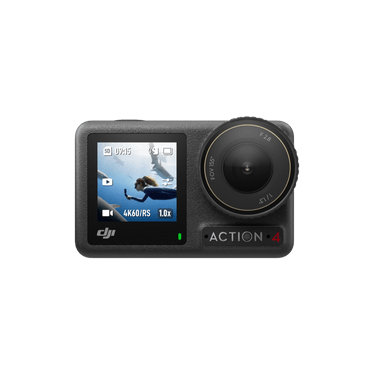
The DJI Osmo Action 4 is the action camera to beat under $300, thanks to a larger 1/1.3-inch sensor that gives it a clear low-light advantage over GoPro. It pairs that with class-leading stabilization, a brilliant magnetic mount system, and dependable battery life. Minor software quirks and the lack of an audio meter are the only real gripes.
Full review
1/1.3-inch sensor beats GoPro in low light
The Osmo Action 4's headline advantage is its sensor. DJI moved to a 1/1.3-inch chip, considerably larger than the 1/1.9-inch sensors in GoPro's cameras, and the result shows. Digital Camera World declared it the best action camera in low light, bar none, and TechRadar found the larger sensor comes into its own when handling low-light scenes, maintaining detail in the shadows even in the most demanding conditions. For anyone shooting at dawn, dusk, or indoors, that is a decisive edge over the GoPro competition.
In good light the camera produces excellent, detailed footage with pleasing color, and PetaPixel confirmed it records video up to 4K 120p from that larger sensor. The bigger photosites also mean cleaner high-ISO results, so the difference is not just visible in extreme darkness but in the everyday mixed lighting most users actually shoot in. It is the all-round image-quality leader in this price bracket.
The wide ISO range, running from 100 all the way to 12,800, reinforces that low-light capability, letting the camera hold detail in scenes where smaller-sensor rivals turn noisy. Reviewers shooting demanding mixed conditions, from forest trails to dim interiors, found the Action 4 retained usable detail where the GoPro equivalents started to struggle. For a single specification that defines a camera's real-world advantage, the larger sensor is exactly that, and it is the reason the Action 4 leads this list on pure image quality.
Stabilization and Footage
Stabilization on modern action cameras is uniformly excellent, and the Osmo Action 4 is no exception. TechRadar found both it and the GoPro Hero 12 Black capture silky smooth video in pretty much all scenarios, with the Action 4 using RockSteady 3.0+ and HorizonSteady to keep footage level and shake-free. Mounted on a bike, a helmet, or a chest harness, the camera smooths out the kind of motion that would otherwise make footage unwatchable.
The HorizonSteady feature keeps the horizon level even through rolls and spins, which is particularly valuable for cycling, skiing, and watersports. The one caveat reviewers raise is that stabilization cannot be fully disabled in certain modes, which can introduce unwanted frame movement in hyperlapse sequences, but for standard action footage the stabilization is among the best available at any price.
Battery Life and Mounting
Battery endurance is a genuine strength. PetaPixel reported that one battery was all that was needed to film a 4K vlog with various frame rates and stabilization modes over the course of a few hours, and measured 77 minutes of continuous 4K 60p recording with demanding 10-bit D-Log color. That stamina, combined with fast-charging spares, makes the camera practical for a full day of shooting.
DJI's magnetic quick-release mounting system is the other standout. Reviewers praised the exceptionally convenient magnetic attachment that lets users rapidly swap and reposition the camera, with dual safety latches for a secure hold. Compared with GoPro's folding-finger mounts, the magnetic system is faster and more satisfying to use, and it has become one of the most-praised features of DJI's action cameras.
No on-screen audio meter, mandatory app setup
The complaints are mostly software-level. TechRadar and PetaPixel both noted there is no on-screen audio level meter, which makes monitoring sound during recording harder than it should be, and the camera requires a mandatory app activation before first use, an annoyance if you just want to start shooting out of the box. Digital Camera World also flagged that the horizon balance feature does not reach maximum frame rates.
Optically, the 0.4m minimum focus distance prevents true macro or extreme close-up shots, so the camera is less suited to detail work right up against a subject. None of these are serious flaws for the camera's intended action and vlogging use, but they are the rough edges that keep it from being flawless, and the activation requirement in particular surprises first-time buyers.
Wins on sensor size, ties GoPro on stabilization
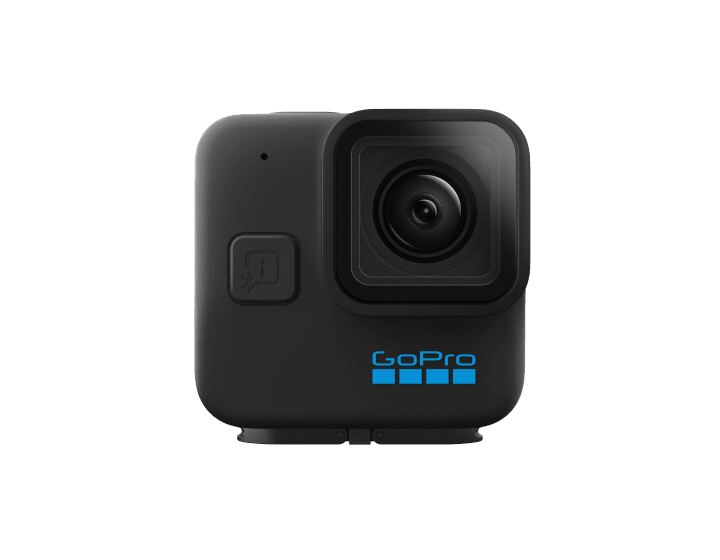
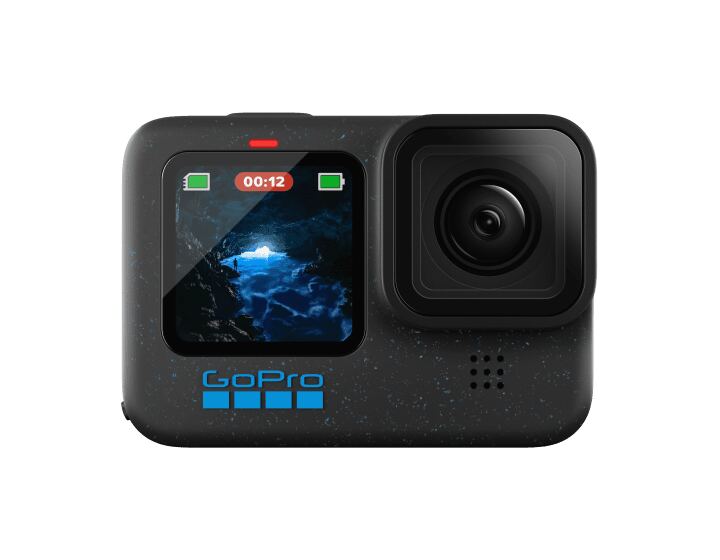
Against the GoPro Hero 12 Black, the Osmo Action 4's larger sensor is the deciding factor: in low light it pulls clearly ahead, while stabilization between the two is a near tie. The GoPro counters with a slightly more refined ecosystem and the highest-end stabilization, but for pure image quality per dollar the DJI wins. Against the screenless GoPro Hero 11 Black Mini, the Action 4 is far more versatile thanks to its dual screens and bigger sensor.
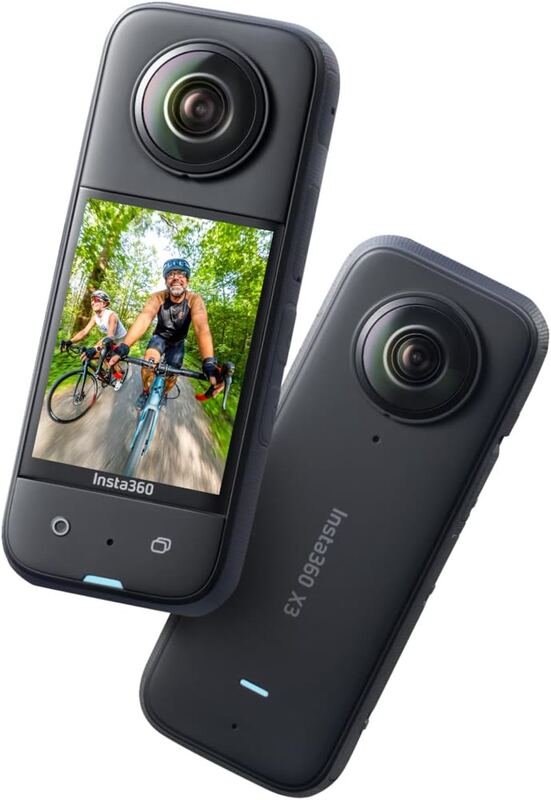
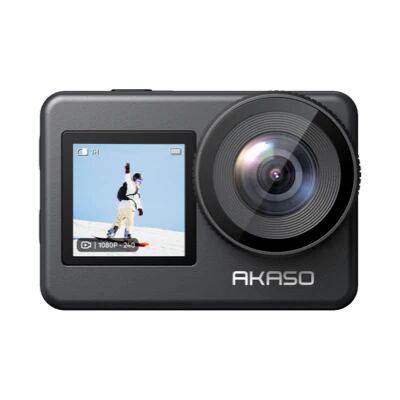
The Insta360 X3 plays a different game entirely as a 360-degree camera, so the choice there is about whether you want reframable spherical capture or straightforward flat video. And the budget AKASO Brave 7 is in another class, undercutting the DJI on price but trailing badly on sensor size, image quality, and build. For a traditional action camera under $300, the Osmo Action 4 is the most complete package.
Vlogging and Everyday Use
The dual touchscreens make the Osmo Action 4 unusually friendly for vlogging and everyday capture. The front screen lets you frame yourself accurately while talking to camera, and the rear touchscreen handles settings and playback intuitively. Combined with the magnetic mount, the camera is quick to deploy for a piece-to-camera clip and just as quick to clip onto a chest harness for hands-free action, which makes it versatile across creator workflows.
Color science is another quiet strength. Reviewers consistently find DJI's footage natural and pleasing straight out of the camera, with the larger sensor contributing to more lifelike skin tones and better dynamic range than the smaller-sensor competition. For creators who want clips that look good without heavy grading, that combination of easy framing and clean color makes the Action 4 a productive everyday tool rather than just an action-only camera.
Bundled mounts add value over GoPro
Under $300 the Osmo Action 4 is arguably the best value in the category because it leads on the spec that matters most for image quality, sensor size, while matching the competition on stabilization and battery. As TechRadar noted, it outperforms the GoPro Hero 12 Black in several areas at a lower price point, which is a rare combination of better and cheaper in this market.
The bundled magnetic mounting accessories add to the value, since they ship in the box rather than as costly extras, and the strong battery life reduces how many spares you need to buy. For a buyer weighing the DJI against a GoPro at a similar price, the Action 4's larger sensor and lower-light advantage make it the more capable camera per dollar, which is the core of its value argument and why it earns its place here.
Dual screens simplify framing selfie vlogs
This camera is the best pick for vloggers and adventurers who want the strongest overall image quality and clearly superior low-light performance in a traditional action camera under $300. The dual screens make framing selfies and vlogs easy, the magnetic mounts speed up rig changes, and the battery lasts long enough for a full day of mixed shooting.
It is a less obvious choice for someone who specifically wants the deepest accessory ecosystem, where GoPro still leads, or who wants reframable 360 footage, which the Insta360 X3 provides. But for most people choosing an action camera in this price range, the Osmo Action 4 offers the best balance of image quality, stabilization, battery life and usability. For the buyer who wants one camera that simply does everything well without a glaring weakness, it is the safest and most rewarding choice under $300.
Strengths
- +Larger 1/1.3-inch sensor delivers the best low-light footage of any action camera in this price range
- +Excellent RockSteady stabilization that keeps footage silky smooth in nearly all scenarios
- +Magnetic quick-release mount system makes swapping rigs fast and secure
- +Records up to 4K 120fps with strong color and detail
- +Reliable battery life, often a full day of mixed 4K shooting on one cell
Watch-outs
- −Stabilization cannot be disabled in some modes, causing unwanted movement in hyperlapse
- −No on-screen audio level meter for monitoring sound
- −Mandatory app activation is required before first use
- −0.4m minimum focus distance prevents true macro shots
How it compares
Its larger 1/1.3-inch sensor outperforms the GoPro Hero 12 Black and GoPro Hero 11 Black Mini in low light, the area where those 1/1.9-inch cameras struggle most. Stabilization is comparable to the Hero 12's HyperSmooth 6.0. Unlike the 360-degree Insta360 X3 it is a traditional flat-video action camera, and it far outclasses the budget AKASO Brave 7 on sensor size, image quality and mounting.
Rating sources
“A type 1/1.3-inch sensor that can record video up to 4K 120p.”
“The best action camera in low light, bar none.”
“A polished GoPro alternative with hassle-free mounts.”
Our 4.3 score is the average of these published ratings. Ratings marked * were derived from the reviewer’s written analysis or video transcript — the publisher didn’t print an explicit numeric score, so we inferred one from their own words. Click through to verify. More about methodology.