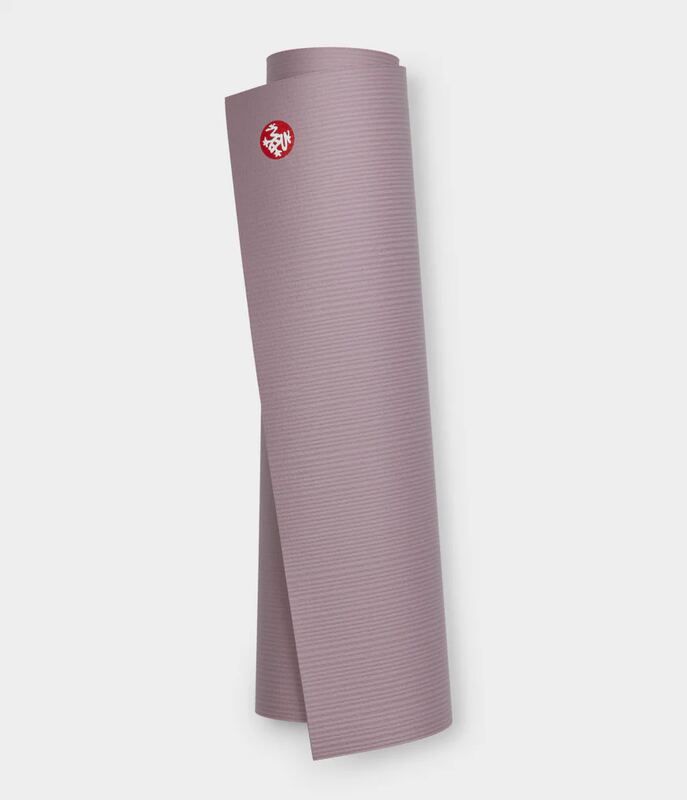
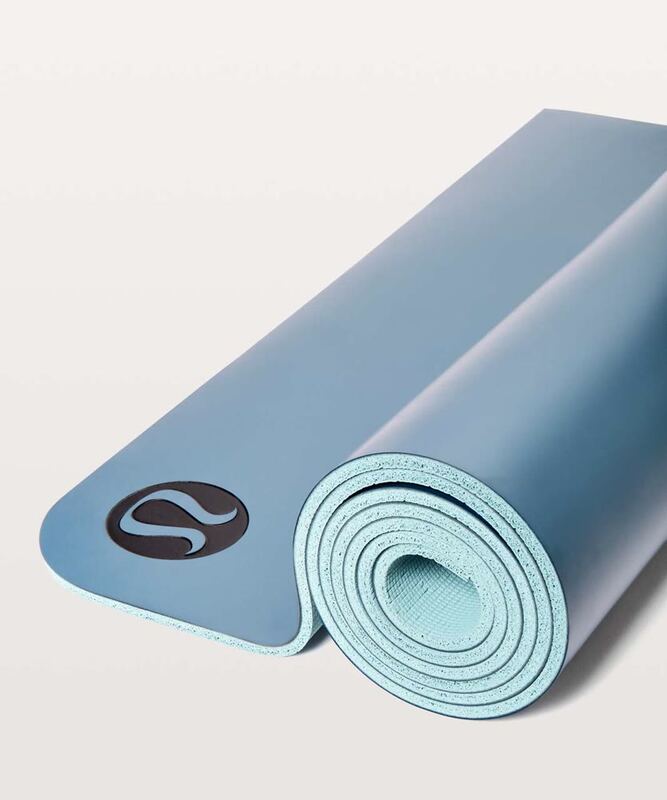
The Gaiam Premium 6mm is the budget-friendly entry in the thick-mat tier, scoring 62/100 at OutdoorGearLab. Its full 6mm of latex-free PVC foam delivers noticeable, joint-friendly cushioning that beginners and casual practitioners appreciate, and at around $35 and just 3.3 lbs it is both cheap and easy to carry. The trade-offs are real: the surface slickens when wet, the soft foam compresses and indents over time, and it is less stable than rubber mats in balance poses. As an affordable, cushioned mat for low-sweat home practice, though, it delivers clear value.
Full review
Scored 62 out of 100, built for gentle flows
The Gaiam Premium 6mm is the value pick of the thick-mat tier, and OutdoorGearLab's 62/100 score reflects a mat that does the basics well for the money rather than one that competes with premium options. Its testers found that "the 6mm thickness provides noticeable cushioning for sensitive joints during seated or kneeling asanas," which is exactly what most budget buyers want, a plush, forgiving surface that protects the knees and hips during floor work.
YogiShopee's reviewer summed up its sweet spot, loving it "for stretch classes and slower flows because the cushion is so comfortable during kneeling poses," and that frames the mat accurately. It is not built for vigorous or sweaty practice, but for gentle, low-intensity home yoga it delivers comfortable cushioning at a price no rubber mat can match.
The Gaiam Premium's role in this lineup is clear: it is the accessible on-ramp to the thick-mat category, the mat most people buy first. It does not pretend to compete with the durability of the Manduka PRO or the grip of the natural-rubber mats, but it puts genuine 6mm cushioning, a lifetime guarantee, and a huge choice of designs within reach of almost any budget, which is exactly why it remains one of the best-selling beginner yoga mats year after year across studios and homes alike.
Cushioning and Support
Cushioning is the Gaiam Premium's strongest suit and its weakest, depending on the pose. The full 6mm of soft PVC foam is genuinely comfortable for seated and kneeling work, and Matelier's thickness guide says 6mm "provides noticeable cushioning for knees and wrists, especially in longer holds or repetitive flows," and steers beginners and anyone with "any joint history" to that thickness. For practitioners with sensitive joints who do mostly floor-based or restorative practice, that plushness is a real benefit.
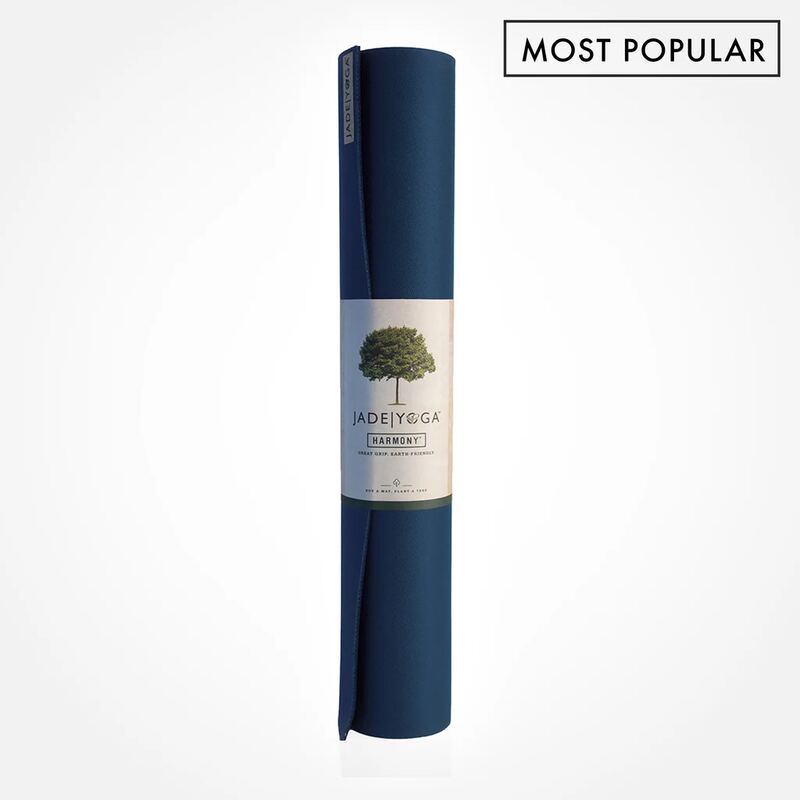
The flip side is stability. OutdoorGearLab found that the soft foam "becomes squishy and sacrifices stability in balance poses," because the same softness that cushions the knees also compresses under the concentrated weight of a single foot. Against the firm, dense Manduka PRO or the supportive rubber of the JadeYoga Harmony and Lululemon The Mat, the Gaiam feels noticeably less planted when you balance.
For the Gaiam's target buyer, that trade-off is usually acceptable. Beginners and casual practitioners spend more time in gentle floor and stretching sequences than in demanding one-foot balances, so the plush comfort matters more day to day than the wobble in tree or warrior three. Practitioners who progress to more dynamic, balance-heavy styles will eventually feel the limitation and want a firmer mat, but for the gentle-practice use case the cushioning is a net positive.
Grip and Surface
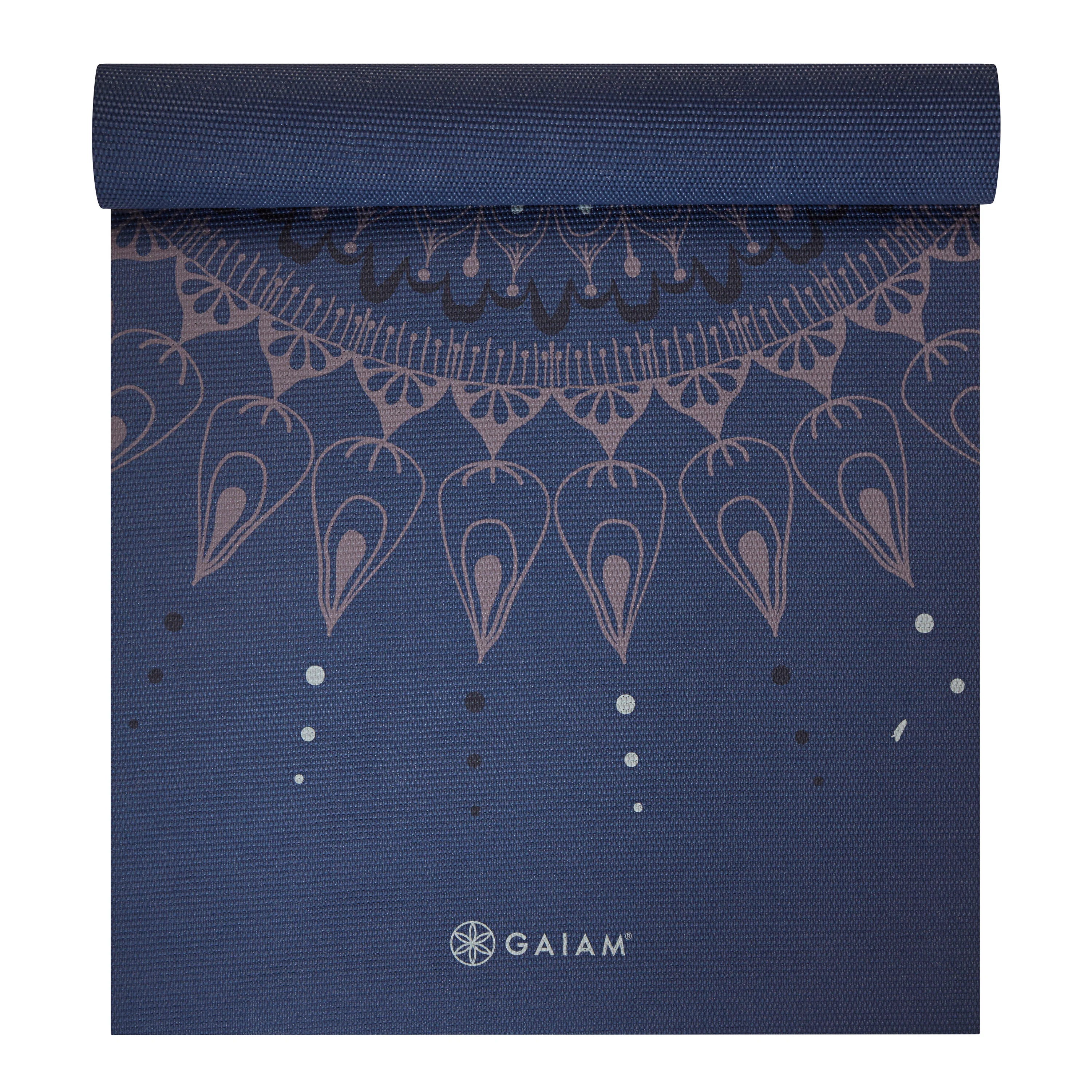
The Gaiam Premium has a textured, lightly sticky PVC surface that grips reasonably well in dry conditions, and the alignment-print versions add printed guide lines that help beginners position their hands and feet correctly, a genuinely useful feature for those learning poses. For low-intensity, dry practice the traction is adequate.
It struggles when wet, however. Reviewers consistently flag that the surface becomes slippery during sweaty sessions, making it a poor fit for hot yoga or vigorous flows. Where the Lululemon and Jade mats grip better as you sweat, the Gaiam grips worse, so it is best kept to gentle, dry practice where the lightly tacky surface is enough to keep hands and feet in place.
Portability and Value
Two things make the Gaiam Premium an easy recommendation for the right buyer: weight and price. At just 3.3 lbs it is one of the lightest mats in this guide and the easiest to roll up and carry to class, less than half the weight of the Manduka PRO. And at roughly $35 it costs a fraction of the premium options, with a lifetime guarantee from Gaiam adding peace of mind.
That combination makes it a low-risk entry point for newcomers who are not sure how committed they will become. You get real 6mm cushioning and a carryable mat without spending premium money, which is precisely the value proposition that keeps the Gaiam Premium a perennial best-seller for beginners.
The wide selection of alignment prints and colorways is part of the appeal too: beginners can pick a design that motivates them while benefiting from the printed guide lines that help position hands and feet correctly during early practice. YogiShopee's reviewer specifically loved it "for stretch classes and slower flows because the cushion is so comfortable during kneeling poses," which is exactly the casual, comfort-first use case the Gaiam Premium is built for and where its value is most obvious.
Compresses and forms indentations over time
The Gaiam Premium's limitations are the predictable consequences of soft, inexpensive foam. It gets slippery when wet, ruling it out for hot yoga; it compresses over time, with OutdoorGearLab and others noting visible indentations forming where hands and feet repeatedly land; and it is less stable than rubber mats in balance poses. Durability is the biggest long-term concern, the foam simply does not hold up like the dense PVC of the Manduka PRO or natural rubber of the Jade and Lululemon.
For a casual practitioner replacing a mat every couple of years, that may be an acceptable trade for the low price. For a daily, sweaty, or vigorous practice, the Gaiam will wear out and slip in ways the pricier mats here will not, so it is best matched honestly to gentle, dry, lower-frequency use where its softness is an asset and its durability limits rarely come into play.
Lighter but slipperier than the Heathyoga
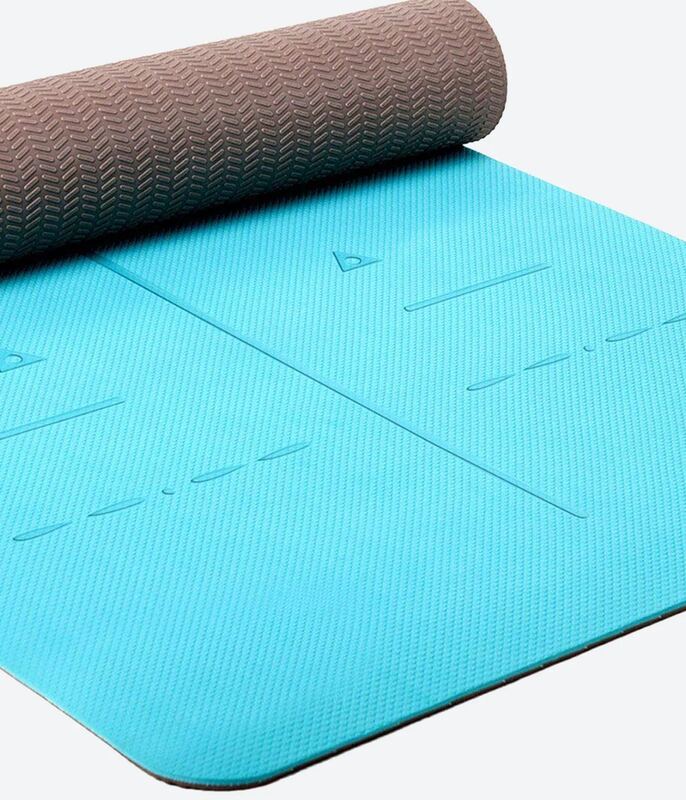
The Gaiam Premium 6mm and Heathyoga 6mm are the two affordable 6mm mats here, but the Heathyoga's wet-grip TPE surface handles sweat far better, while the Gaiam wins on plush softness and the lowest weight. Against the Manduka PRO it matches thickness but loses badly on firmness and durability, and against the natural-rubber JadeYoga Harmony and Lululemon The Mat 5mm it is cheaper and lighter but slipperier and less stable. It is the budget-and-comfort pick rather than the performance pick.
If you are choosing between the two budget 6mm mats, the deciding factor is whether you sweat: the Heathyoga's wet-grip surface is the safer bet for warmer or more vigorous practice, while the Gaiam is the plusher, lighter, and slightly cheaper option for gentle dry sessions. Neither will satisfy a buyer who wants the firmness, stability, and decade-long durability of the natural-rubber mats or the Manduka PRO, but both deliver real 6mm cushioning at an entry-level price.
Best first mat for exploring the practice
The Gaiam Premium 6mm is the right mat for beginners, casual practitioners, and anyone on a tight budget who wants plush cushioning and a light, carryable mat for gentle, low-sweat home yoga. The alignment prints make it especially friendly for those still learning poses. It is the wrong choice for hot yoga, vigorous vinyasa, or daily heavy use, where its slippery-when-wet surface and softer, less durable foam fall short; those practitioners should step up to the Heathyoga, JadeYoga Harmony, or Manduka PRO.
It is also a smart, low-risk first mat for someone exploring whether yoga will stick, since the modest price means little is lost if the practice does not become a habit, and the lifetime guarantee adds reassurance. Buyers who already know they practice often, sweat, or do dynamic styles will outgrow the Gaiam quickly and are better served spending more up front on a grippier, more durable mat such as the Heathyoga, JadeYoga Harmony, or Manduka PRO.
Strengths
- +Generous 6mm cushioning that protects joints during seated and kneeling poses
- +Very affordable, often around $35 or less
- +Lightweight at 3.3 lbs, easy to roll up and carry to class
- +Alignment-print versions help position hands and feet correctly
- +Latex-free PVC, suitable for those with latex allergies
Watch-outs
- −Surface gets slippery when wet, so it is not ideal for hot yoga
- −Soft foam compresses over time, leaving visible indentations
- −Less firm and stable than rubber mats in balance poses
- −Durability trails premium mats significantly
How it compares
The Gaiam Premium 6mm matches the Manduka PRO and Heathyoga 6mm on thickness but uses softer foam that lacks the PRO's density and the Heathyoga's wet-grip surface; it is the cheapest and lightest mat here, undercutting the natural-rubber JadeYoga Harmony and Lululemon The Mat 5mm on price while trailing all four on grip and durability.
Rating sources
“The 6mm thickness provides noticeable cushioning for sensitive joints during seated or kneeling asanas.”
“I love this mat for stretch classes and slower flows because the cushion is so comfortable during kneeling poses.”
Our 3.4 score is the average of these published ratings. Ratings marked * were derived from the reviewer’s written analysis or video transcript — the publisher didn’t print an explicit numeric score, so we inferred one from their own words. Click through to verify. More about methodology.