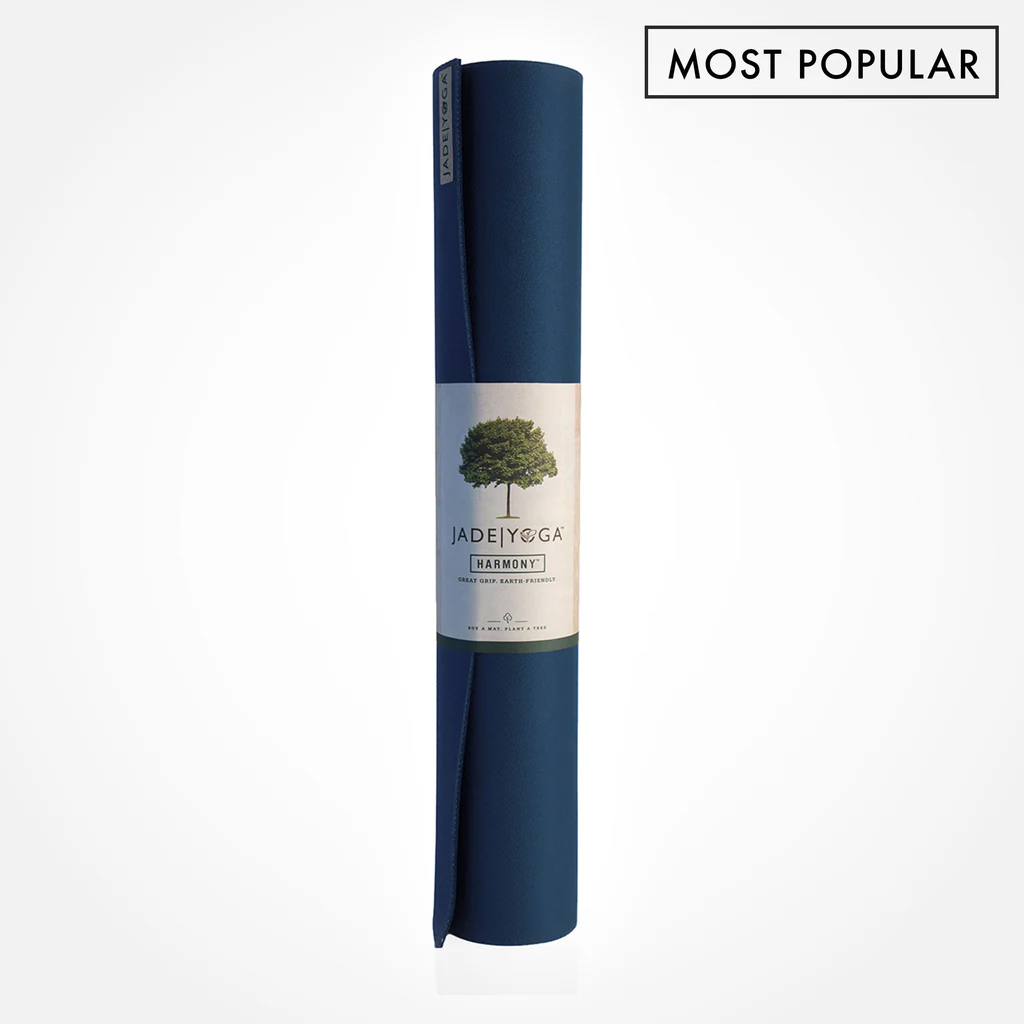
The JadeYoga Harmony is a natural-rubber mat that built its name on grip, earning a 78/100 from OutdoorGearLab and a Best Mat for Grip nod from Yoga Journal. Its open-cell rubber surface delivers traction that warms up with you, and at 5mm it offers joint-friendly cushioning with solid stability. It is one of the more eco-conscious mats here, PVC-free, made in the USA, with a tree planted per sale. The natural rubber carries an initial smell and absorbs moisture so it needs cleaning, and it contains latex, but for grip-focused practitioners who value sustainability it is a standout.
Full review
Named Best Mat for Grip by Yoga Journal
The JadeYoga Harmony is a grip specialist, and the accolades back it up: Yoga Journal named it Best Mat for Grip, and OutdoorGearLab, scoring it 78/100, praised how it delivers "great traction and cushion while still providing stability for standing poses." The open-cell natural-rubber surface is the key, it provides traction that warms up as you move and begins to perspire, which many practitioners prefer to a surface that is grippy cold but offers no extra bite when things heat up.
Jade describes the mat as "3/16\" thick and 24\" wide, striking an ideal balance of grip, comfort, and weight," and that balance is the Harmony's appeal. At 5mm it cushions the joints adequately while staying stable underfoot, and at around 5 lbs it is more manageable than the heavyweight Manduka PRO, even if it is not a featherweight travel mat.
The Harmony has been a studio mainstay for over a decade, and its enduring popularity rests on combining that natural grip with genuine eco-credentials, a pairing few competitors match. Live Science went so far as to say "you could probably throw a bucket of water over this mat and still practice with the same efficiency," which captures why grip-obsessed and sweaty practitioners keep returning to it despite the arrival of cheaper synthetic alternatives.
Cushioning and Support
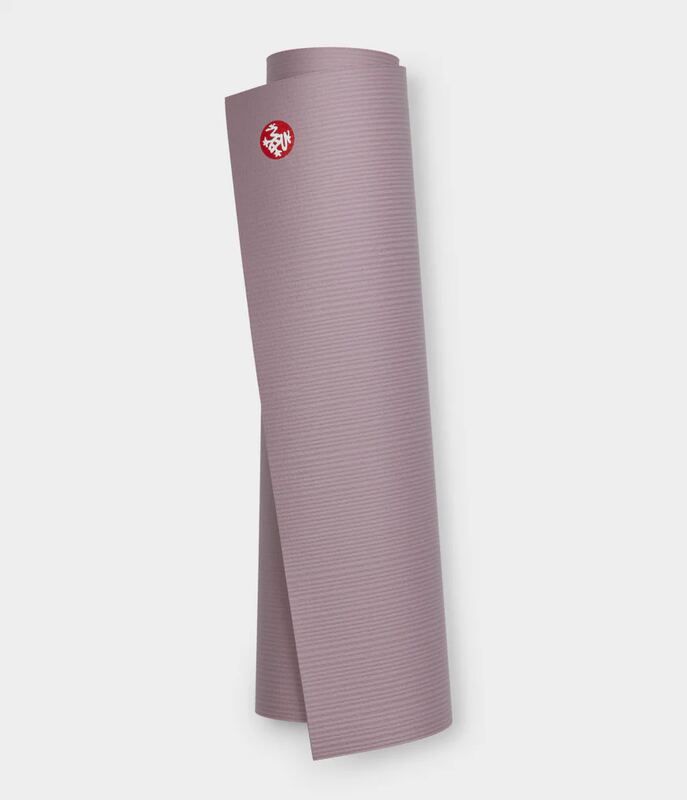
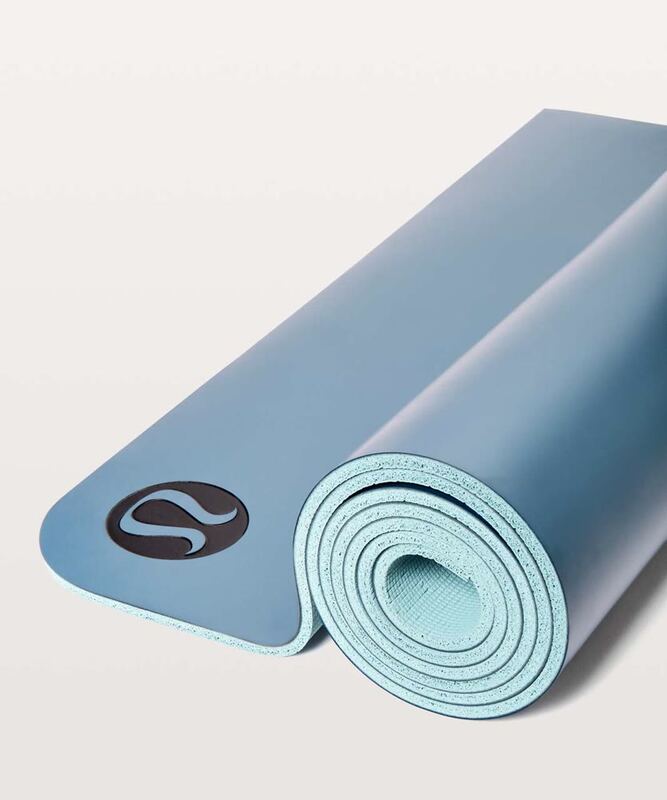
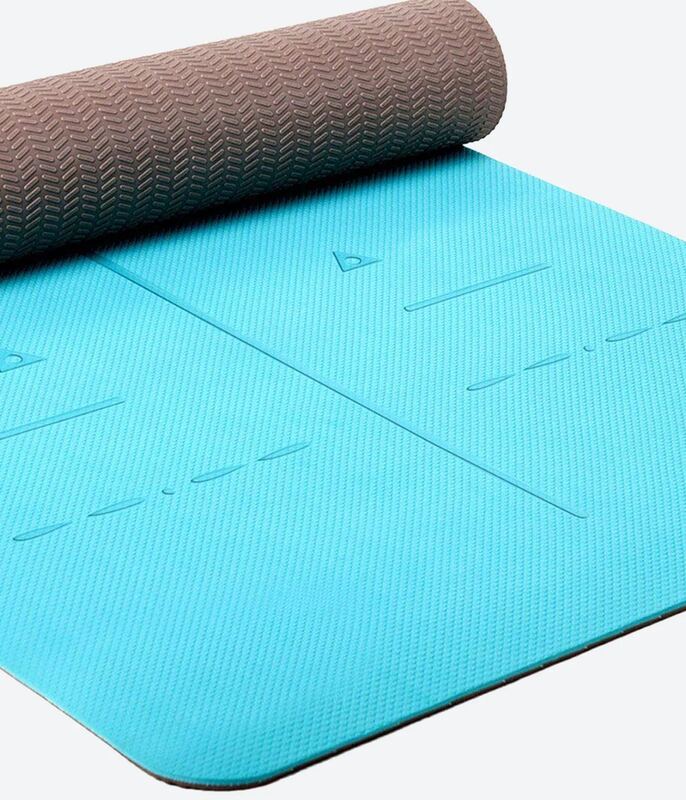
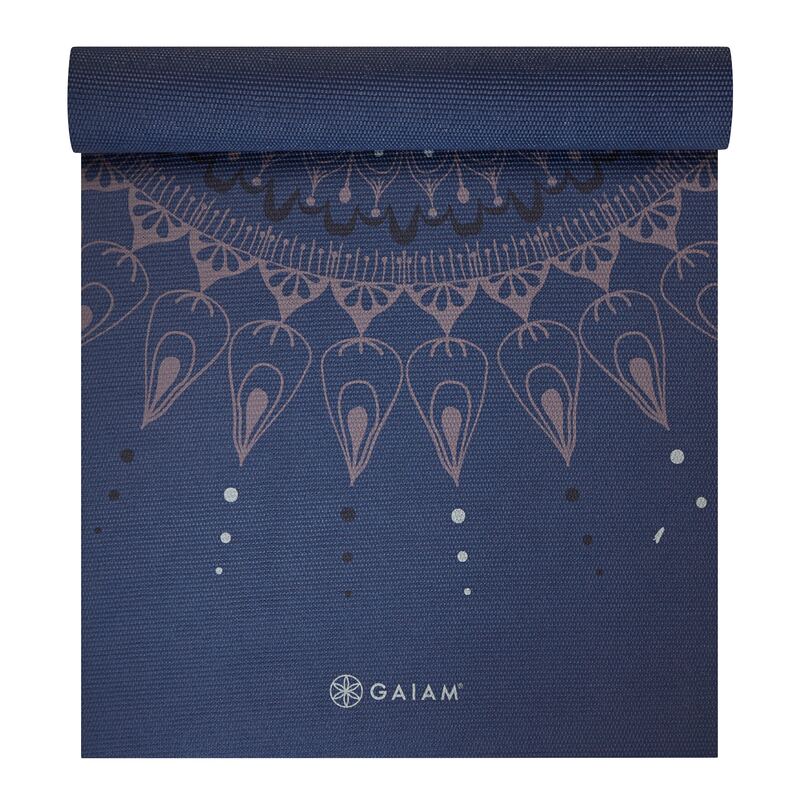
The Harmony's 5mm of natural rubber provides comfortable, joint-friendly padding for seated and kneeling poses without the spongy instability of softer foam mats. EverydayYoga's comparison testing found the rubber base supportive across practice styles, with enough give for floor work but enough firmness for balance poses. It sits at the same effective thickness as the Lululemon The Mat 5mm and just under the 6mm Manduka PRO, Gaiam, and Heathyoga options.
Because natural rubber is denser than foam, the Harmony feels more planted than its thickness suggests. Practitioners who find ultra-soft thick mats wobbly in standing poses will appreciate the Jade's firm, stable platform, which is part of why it scores well for all-around performance rather than just grip. At 5mm it offers enough padding for comfortable kneeling and seated work without the instability that taller, softer mats introduce in standing balances.
Live Science's reviewer praised the mat's "springy support," a quality that comes from the natural rubber rather than the open-cell foam used in budget mats. That springiness cushions repeated impact during dynamic flows while returning energy underfoot, which many practitioners find more comfortable over a long session than dead-feeling foam. It is one of the reasons the Harmony has remained a studio favorite for years despite the arrival of cheaper alternatives.
Grip and Surface
Grip is the Harmony's reason for being. The open-cell rubber surface is textured and, as EverydayYoga noted, "offers reliable grip that warms up during practice." Unlike closed-cell mats that repel moisture, the open-cell surface engages more as your hands and feet warm and perspire slightly, giving dependable traction for vinyasa and standing flows. It does not need a break-in period the way the Manduka PRO does; the grip is there from day one.
The trade-off of open-cell rubber is that it absorbs sweat and skin oils, so it needs regular cleaning to stay fresh and grippy, and it should be kept out of direct sun to protect the rubber. For practitioners willing to maintain it, the payoff is some of the most natural-feeling traction available, the kind that, as Live Science noted, holds up even when the mat is soaked, which makes it a favorite for the sweatiest, most dynamic styles where slipping is the primary concern.
Sustainability and Build
The Harmony is among the most eco-conscious mats in this guide. It is made from natural rubber tapped from rubber trees, contains no PVC, EVA, or synthetic rubber, and is manufactured in the United States in compliance with environmental and labor standards. Jade also plants a tree for every mat sold, a program that has resulted in millions of trees planted over the years.
That natural composition is a double-edged sword: it makes the mat renewable and biodegradable, but it also means the mat contains latex and carries the characteristic rubber smell when new. Buyers with latex allergies should avoid it entirely, and everyone else should expect to air it out for a few days in a ventilated space before the rubber odor fully settles down to an unobtrusive level.
Not suitable for latex allergies
The Harmony's drawbacks all trace back to its natural-rubber construction. The initial smell is strong and takes time to fade, the open-cell surface absorbs moisture and oils so it demands regular cleaning, and the latex content rules it out for anyone with a latex allergy. At about 5 lbs it is moderately heavy, fine for studio or home use but not ideal for a daily carry.
It is also slightly thinner at 5mm than the 6mm options, so practitioners seeking maximum cushioning may prefer the Manduka PRO or a 6mm Gaiam or Heathyoga. The Harmony's value is highest for those who prize grip and eco-credentials over the last millimeter of padding, and the maintenance demands of open-cell rubber mean it rewards owners who are willing to clean it regularly rather than those looking for a wipe-and-go surface. For the right practitioner, those caveats are minor against its grip and sustainability.
Only mat here made in the USA
The JadeYoga Harmony and Lululemon The Mat 5mm are the two natural-rubber grip mats here at the same 5mm thickness; the Jade is more eco-focused and grips from day one via its open-cell surface, while the Lululemon edges it in heavy sweat thanks to its polyurethane top and adds a reversible design. Against the Manduka PRO, the Jade is lighter and grippier out of the box but less cushioned and less durable. The Gaiam Premium 6mm and Heathyoga 6mm are thicker and cheaper but cannot match the Jade's traction or sustainability story.
Where the Jade pulls clearly ahead of the rest of the field is its eco-credentials: it is the only mat here made from sustainably tapped natural rubber with a tree planted per sale, manufactured in the USA. Buyers for whom environmental impact is a deciding factor will find no better option in this guide. The trade-off is the natural-rubber smell and the latex content, which the synthetic Lululemon and the PVC/TPE budget mats avoid.
Best for inversions and arm balances
The JadeYoga Harmony is ideal for grip-focused practitioners who also care about sustainability and prefer a natural-rubber surface that needs no break-in. It suits vinyasa and standing-flow practices in a home or studio setting. Buyers with latex allergies should steer clear, and those who want the thickest, most durable mat or a lightweight travel option should consider the Manduka PRO or a dedicated travel mat instead. For natural grip and eco values in a thick mat, the Harmony is a top choice.
It is especially well matched to dynamic practitioners who do inversions and arm balances, where its lock-your-hands-in-place grip shines, and to environmentally minded buyers willing to maintain a natural-rubber surface with regular cleaning. Those who sweat exceptionally heavily may slightly prefer the Lululemon's polyurethane top, and anyone sensitive to rubber odor should air the Jade out thoroughly before first use, but for grippy, eco-conscious practice it is hard to beat. Its decade-plus track record as a studio staple is the strongest endorsement of all: teachers who practice daily keep choosing it.
Strengths
- +Excellent natural-rubber grip, named Best Mat for Grip by Yoga Journal
- +Open-cell rubber surface provides traction that improves as you warm up
- +Eco-friendly: natural rubber, PVC-free, and a tree planted per mat sold
- +5mm thickness balances cushioning and standing-pose stability
- +Made in the USA to environmental and labor standards
Watch-outs
- −Natural rubber has a strong initial smell that takes time to dissipate
- −Open-cell surface absorbs sweat and oils, so it needs regular cleaning
- −Latex content makes it unsuitable for those with latex allergies
- −At about 5 lbs it is moderately heavy to carry
How it compares
The JadeYoga Harmony shares the grippy natural-rubber philosophy of the Lululemon The Mat 5mm at the same 5mm thickness, but uses an open-cell surface that warms up rather than a polyurethane top layer; it is grippier and more eco-focused than the 6mm Gaiam Premium 6mm and Heathyoga 6mm, while the Manduka PRO offers more cushioning and durability.
Rating sources
“It almost 'locks' your hands and feet in place.”
“You could probably throw a bucket of water over this mat and still practice with the same efficiency.”
Our 4.0 score is the average of these published ratings. Ratings marked * were derived from the reviewer’s written analysis or video transcript — the publisher didn’t print an explicit numeric score, so we inferred one from their own words. Click through to verify. More about methodology.