CNET's review found the HP Omen 16 delivering solid 1080p gaming at a midrange price, with good build quality and effective cooling. PCMag's Matthew Buzzi liked the battery life and the overall design but stressed how limited the upgradeability is. Performance and aesthetics won reviewers over; the weight and the narrow upgrade path are what power users chasing maximum customization will hold against it.
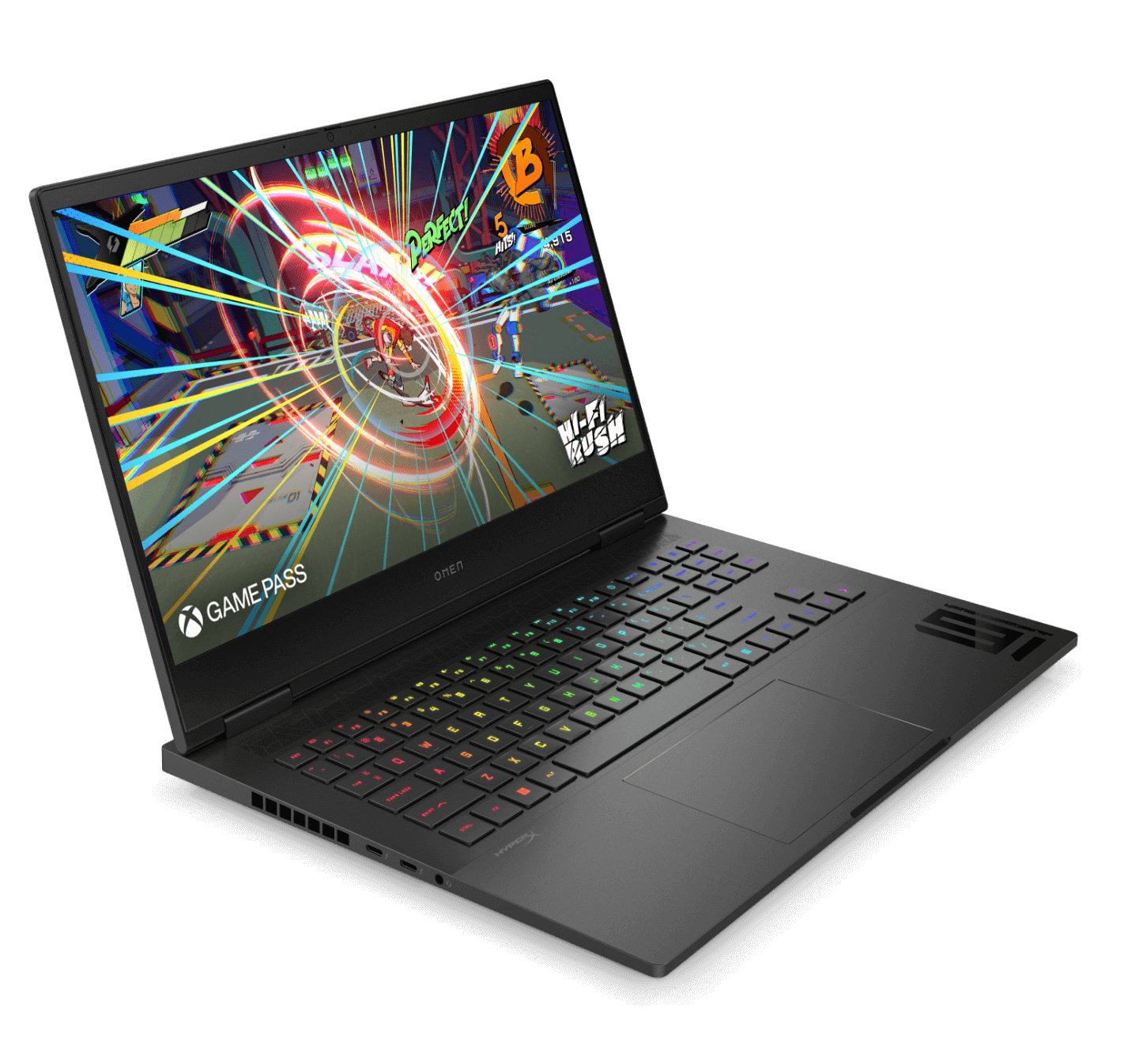
Full review
A 16-inch WQXGA panel from 60 to 240Hz
The display is a 16-inch 2560 x 1600 panel with a refresh rate that runs from 60 up to 240Hz depending on configuration, and the taller shape gives back vertical space a widescreen gaming panel takes away. CNET, scoring the machine 7.8 out of 10, is positive about the screen and about the 1080p gaming it drives comfortably. What it will not do is sustain the highest refresh rates at native resolution in demanding titles, because the RTX 3060 here is a 1080p part being asked to feed a higher-resolution screen.
Core i7-12700H and an RTX 3060
The pairing is a Core i7-12700H with an RTX 3060, 16GB of DDR4 and a 512GB NVMe drive. PCMag and TechSpot both scored the machine 3.5 out of 5, and neither treats the silicon as the problem: it plays current games at sensible settings and handles editing and rendering work without complaint. The 512GB drive is the specification that dates fastest, since modern installs will fill it inside a handful of titles.
Where the money goes, and does not
TechSpot's central criticism is pricing. Its view is that HP needs to fix the configuration and pricing model before the Omen 16 is genuinely competitive, because the same money buys more elsewhere. That is a harder argument to dismiss than a specification complaint, because it does not go away with a firmware update. PCMag is warmer on the design and the overall package, and that is where the two reviews diverge most clearly.
5.27 pounds, a mushy touchpad and weak RGB
The chassis is well made and unusually restrained for a gaming laptop, but it weighs 5.27 pounds, which is a lot to carry daily. TechSpot found the touchpad mushy, a common gaming-laptop compromise and a real one if you work on the machine away from a mouse. The four-zone RGB backlight is dim and imprecise about colour, an odd corner to cut on a laptop that leans on gaming aesthetics, and there is no SD card reader.
Four to six hours unplugged, and loud under load
Battery life runs four to six hours in ordinary use, which is normal for the class and still short. CNET's read is that it covers short stints away from a socket rather than a working day. Under sustained load the fans get loud and the machine throttles somewhat, the standard trade for pushing this much hardware through a thin chassis. It is a laptop that works best plugged in at a desk and moved occasionally, not one to plan a commute around.
Strengths
- +Solid 1080p gaming performance in a midrange price point
- +Good build quality and aesthetic design for a gaming laptop
- +Decent battery life for a gaming machine
- +Effective cooling system during extended gaming sessions
Watch-outs
- −Limited upgradeability in key components
- −Slightly heavy for a laptop in this category
How it compares
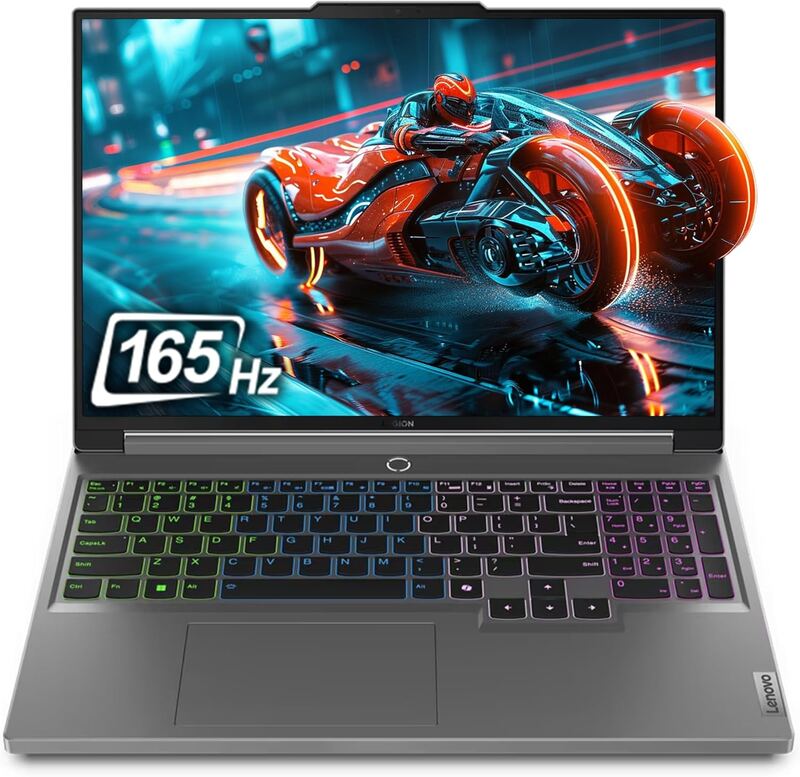
The HP Omen 16 offers solid 1080p gaming performance and decent battery life, but its limited upgradeability and weight make it less appealing than the Lenovo Legion 5i Gen 9, which provides better portability and cooling. Unlike the Dell G16 7630, it lacks the powerful i9 processor and Cherry MX keyboard, though it does offer a more affordable price point.
Rating sources
“The Omen 16 is a great laptop with solid build quality and aesthetics, but it's not priced competitively, at least as of writing this review. I enjoyed reviewing it, and could see myself using it as my personal laptop.”
Our 3.6 score is the average of these published ratings. Ratings marked * were derived from the reviewer’s written analysis or video transcript — the publisher didn’t print an explicit numeric score, so we inferred one from their own words. Click through to verify. More about methodology.