A solid aluminum body and smooth HyperX Red switches are what reviewers like about the Alloy Origins Core, a tenkeyless board that types well and saves desk space. Holding it back: no dedicated software for macros, and a cable you can't detach.
Full review
Single aluminum shell weighs 845 grams
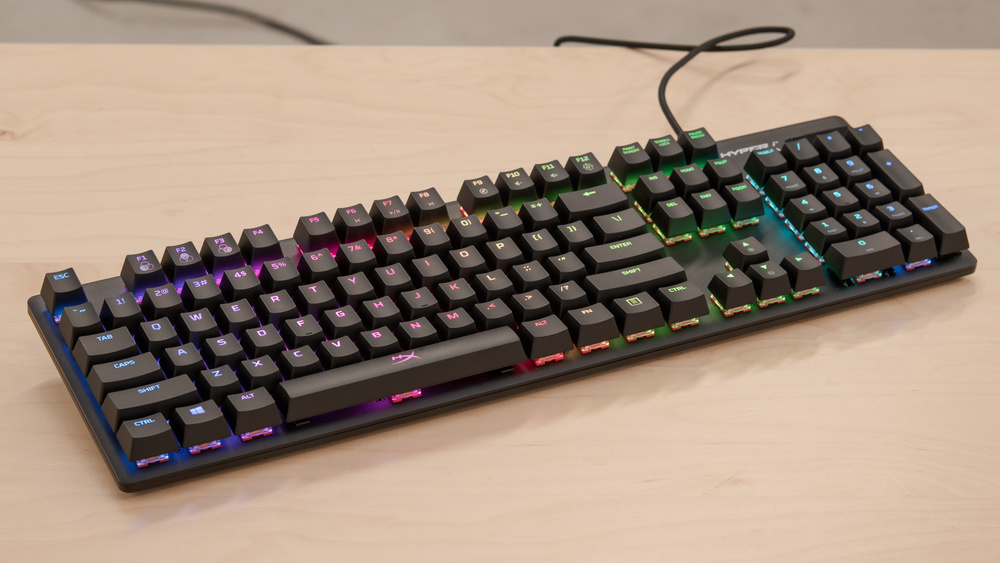
The HyperX Alloy Origins Core distinguishes itself through a minimalist, industrial aesthetic that prioritizes durability over flashy gaming tropes. ProSettings.net describes the board as 'beautiful in its simplicity,' noting that it lacks the distracting dials, knobs, or excessive branding found on many competitors. The entire chassis is constructed from a single piece of aluminum, giving it a substantial weight of 845 grams. This metal frame provides a rigid foundation that prevents flex during intense typing or gaming sessions, a feature TechGearLab attributed to HyperX "building the entire body from sturdy aluminum." The tenkeyless (TKL) form factor measures 36.1 cm in width and 13.2 cm in height, offering a compact footprint that saves desk space while retaining the numpad-less layout preferred by many FPS players. The detachable USB-C cable adds to the portability, allowing users to easily transport the keyboard to LAN events or different workstations without worrying about cable management or breakage at the port.
Switch Performance and Latency
At the heart of the Alloy Origins Core are HyperX’s proprietary mechanical switches, available in Red (linear) and Aqua (tactile) variants. TechGearLab conducted rigorous latency testing, measuring the input delay at a tight nine milliseconds, which they deemed 'well suitable for all types of action.' The keyboard operates with a 1000 Hz polling rate and scan rate, ensuring that inputs are registered almost instantaneously. During their stress tests, TechGearLab found that pressing eight keys simultaneously added a maximum delay of only seven milliseconds, demonstrating robust anti-ghosting capabilities. Furthermore, the board supports N-key rollover, allowing more than 40 keys to be pressed at once with zero conflicts. This level of responsiveness is critical for competitive gamers who rely on rapid, complex key combinations. The switches themselves have a short actuation distance, contributing to the snappy feel that professional players often seek. While the switches are not hot-swappable, their consistent performance and durability make them a reliable choice for users who prefer a plug-and-play experience without the hassle of soldering or switch modification.
Typing Comfort and Ergonomics
Despite its strong performance metrics, the Alloy Origins Core falls short in terms of ergonomic comfort, a point emphasized by multiple reviewers. TechGearLab explicitly labeled comfort as a 'weak spot,' noting that the standard profile keys and lack of an integrated palm rest can lead to wrist exhaustion or soreness during extended use. The keyboard offers three adjustable tilt angles—2.5º, 6.5º, and 10.5º—via its rear feet, allowing users to customize the slope to some degree. However, the rigid aluminum frame does not flex, and the key height remains consistent with traditional mechanical keyboards, which may not suit users accustomed to low-profile or ergonomic designs. ProSettings.net acknowledged the sturdy build but did not highlight comfort as a strength, implying that the focus is squarely on performance rather than long-term typing ease. Users who plan to spend hours typing or gaming may need to invest in a separate wrist rest to mitigate potential strain. This trade-off is common in high-performance gaming peripherals, where responsiveness and durability often take precedence over ergonomic features.
Keycap Quality and Durability
One of the most significant criticisms of the HyperX Alloy Origins Core is the quality of its keycaps. ZDNET provided a stark assessment, describing the keycaps as 'terrible' despite praising the keyboard's overall build. The ABS plastic keycaps are prone to shine and wear over time, which can detract from the keyboard's aesthetic appeal and tactile feel. This is a common issue with budget-friendly mechanical keyboards, but it stands out more sharply here given the premium aluminum chassis. ProSettings.net also noted that the keycaps are 'subpar,' suggesting that they do not match the high standards set by the rest of the hardware. While the switches themselves are durable and perform well, the keycaps may degrade faster than expected, potentially requiring replacement for users who prioritize long-term aesthetics. This discrepancy between the robust frame and the inferior keycaps creates a mixed impression, where the keyboard feels premium in hand but looks and feels less so under the fingers.
Software and Customization
The Alloy Origins Core offers robust RGB customization through HyperX’s software, allowing users to tailor lighting effects to their preference. TechGearLab praised the 'exceptional RGB customization,' noting that the lighting is vibrant and highly configurable. However, the software experience is not without its flaws. The macro-writing functionality, while present, was described as 'unintuitive' even for power users, with the sentence-format macro creation process feeling clunky and inefficient. This limitation may frustrate users who rely on complex macros for gaming or productivity tasks. Additionally, the lack of hot-swappable switches means that users cannot easily experiment with different switch types without purchasing a new board. While the RGB lighting and basic customization options are strong, the software’s macro interface and the inability to swap switches limit the keyboard’s versatility for advanced users who seek a highly personalized setup.
Value and Market Position
Priced at approximately $110, the HyperX Alloy Origins Core positions itself as a mid-range gaming keyboard that offers strong value for its performance. TechGearLab awarded it an overall score of 79, ranking it #7 out of 17 keyboards tested, and named it their 'Editor’s Choice' for most gamers due to its balance of performance, build quality, and features. PCMag also gave it a 4.0 'Excellent' rating, highlighting its performance and value leadership in its class. However, the keyboard’s value proposition is tempered by its ergonomic shortcomings and keycap quality. Users who prioritize raw performance and durability will find it a compelling option, but those who value comfort or long-term aesthetic retention may need to look elsewhere. The keyboard’s appeal lies in its no-nonsense approach, catering to gamers who want a reliable, high-performance tool without paying for unnecessary frills. It is a solid choice for those who can overlook its minor flaws in favor of its core strengths.
No hot-swappable switches limits future upgrades
The HyperX Alloy Origins Core is best suited for competitive gamers and enthusiasts who prioritize performance, durability, and a compact form factor. Its low latency, robust anti-ghosting, and sturdy aluminum build make it an excellent choice for FPS and MOBA players who need precise and responsive inputs. The tenkeyless design is ideal for users with limited desk space or those who prefer a minimalist setup. Gamers who value RGB customization will also appreciate the vibrant and configurable lighting options. However, this keyboard is not recommended for users who prioritize ergonomic comfort or long-term keycap durability. Those who spend extended hours typing or gaming may find the lack of a palm rest and the subpar keycaps to be significant drawbacks. Additionally, users who enjoy experimenting with different switch types or creating complex macros may be frustrated by the non-hot-swappable switches and unintuitive software. Ultimately, the Alloy Origins Core is a strong fit for performance-focused gamers who can tolerate its ergonomic and aesthetic limitations.
Strengths
- +Compact tenkeyless (TKL) design saves significant desk space
- +HyperX Red linear switches provide smooth, consistent keystrokes
- +Solid aircraft-grade aluminum frame ensures durability and stability
- +Customizable RGB lighting with three dedicated media keys
Watch-outs
- −Software's macro interface is limited for advanced programming
- −Non-detachable USB-C cable limits portability and cable management options
How it compares
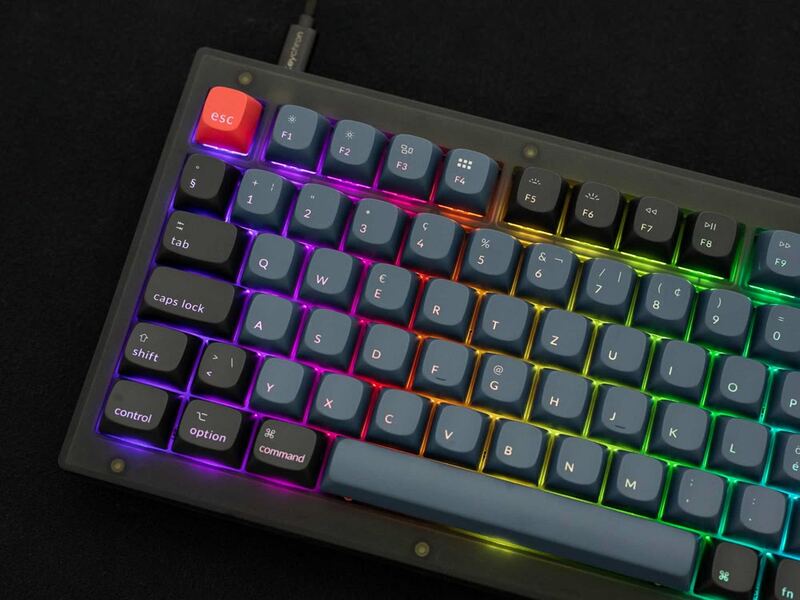
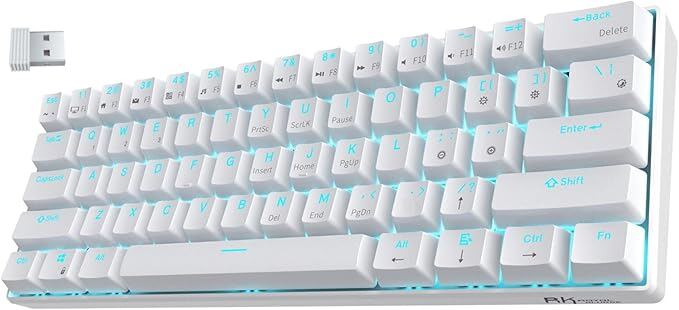
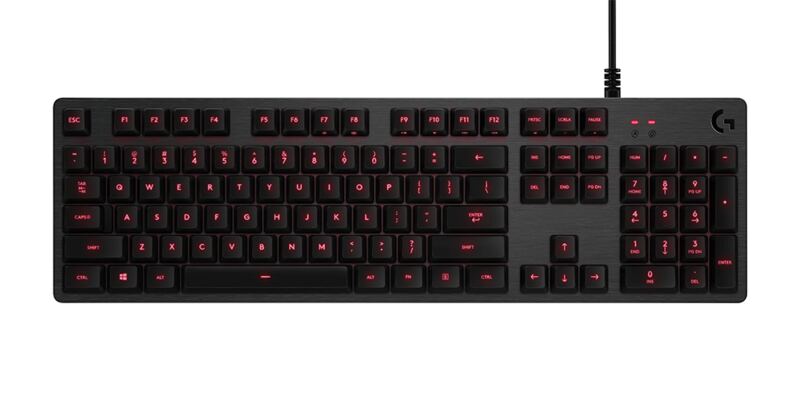
The HyperX Alloy Origins Core provides a solid aircraft-grade aluminum frame and smooth linear switches, offering better structural rigidity than the Keychron V1 and Royal Kludge RK61. While it matches the Logitech G413 in build quality, it surpasses it with customizable per-key RGB lighting, though it still lacks the wireless connectivity and deep software customization of the Keychron V1.
Rating sources
Our 4.1 score is the average of these published ratings. More about methodology.