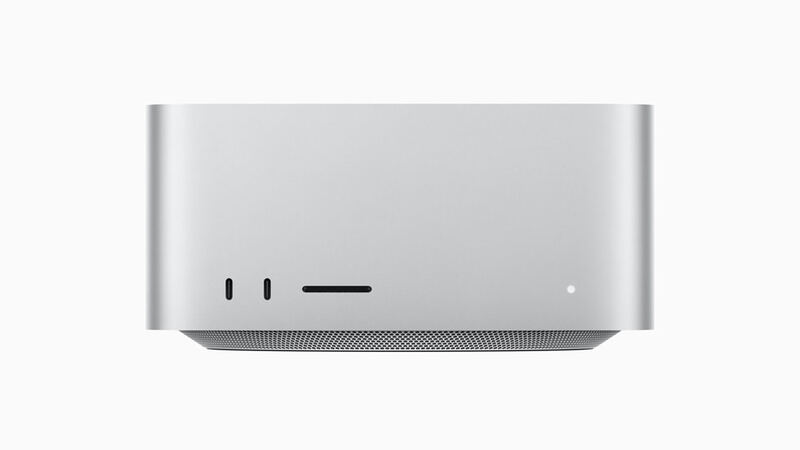
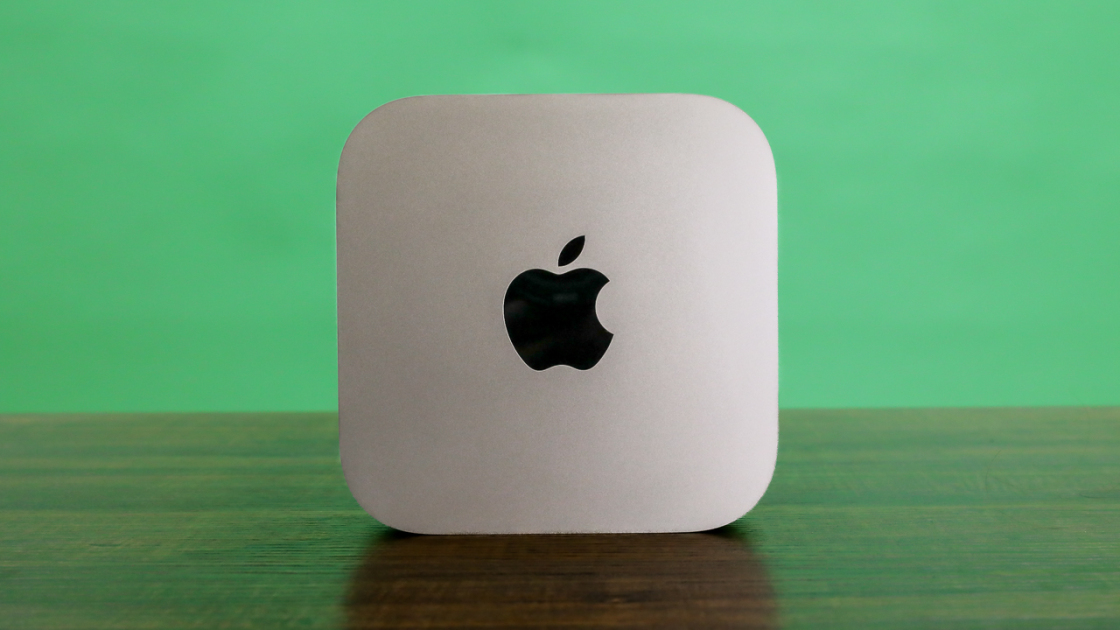
The Mac mini M4 Pro is a five-inch-square box with a 12-core CPU, a 16-core GPU and 64 GB of unified memory, and it runs near-silently on very little power. PCMag rated it 4.5 out of 5 and Macworld 4 out of 5, landing on the same split verdict: the machine is excellent and the configuration pricing is not. For local-LLM work the 273 GB/s of memory bandwidth is the number that matters, and 64 GB is the hard ceiling that comes with it. Nothing inside is upgradable, so the configuration you buy is the one you keep.
Full review
Five inches square, 12 CPU cores and 16 GPU cores
The enclosure measures five inches on a side and two tall, and the M4 Pro inside runs 12 CPU cores against a 16-core GPU and a 16-core Neural Engine. Macworld's reviewer made the point that the size makes the machine easy to underestimate until it is on a desk doing work. Thermals are handled well enough that fan noise is rarely audible under ordinary load, which matters when the box lives beside a microphone rather than in a rack.
273 GB/s of bandwidth against a 64 GB wall
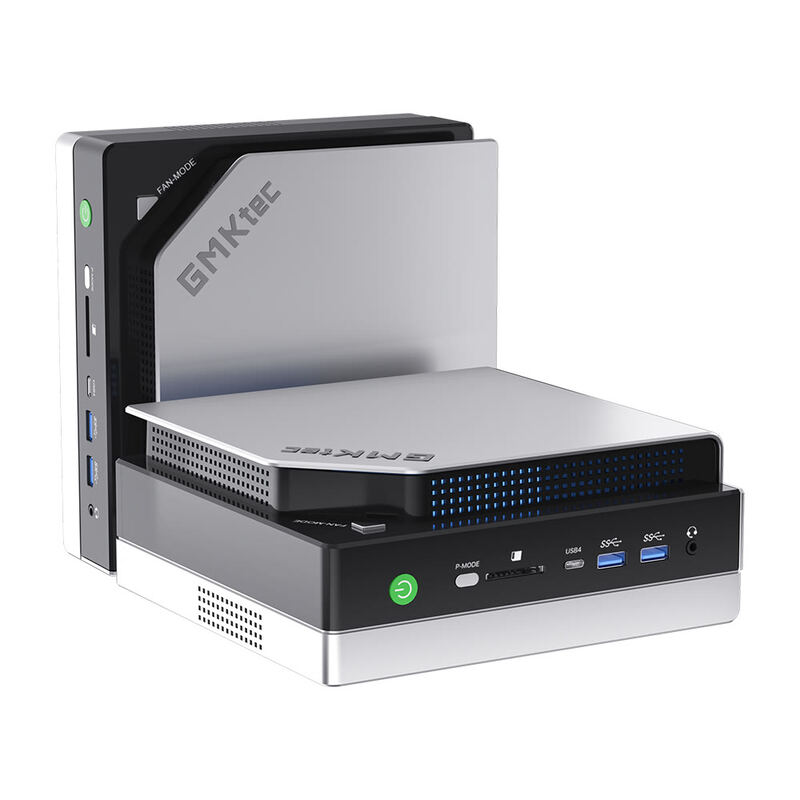
Unified memory bandwidth of 273 GB/s is the specification that decides local inference speed, and it is higher than the 256 GB/s of the Strix Halo mini PCs this competes with. The constraint here is capacity rather than speed: once macOS takes its share, the practical model footprint sits under the 64 GB installed, which holds a 70B model at four-bit quantisation with room for a KV cache but does not reach a 120B one. Buyers whose models stop near 70B get the faster machine; buyers who need more have to move to a 128 GB box or a Mac Studio.
Thunderbolt 5 and Wi-Fi 6E, and no USB-A at all
Connectivity is Thunderbolt 5 and Wi-Fi 6E, with support for up to three external displays. There is no USB-A anywhere on the machine, so older peripherals need adapters or a hub on the desk. The power button sits underneath the chassis, which means lifting or tilting the unit to reach it - Macworld's reviewer called that placement out specifically, and it is the kind of small thing you notice every single time.
Soldered memory and a proprietary SSD module
Nothing here changes after purchase. The unified memory is soldered, the SSD is a proprietary module rather than a standard drive, and Apple's prices for both run far above the open market - Macworld's review used the word obscene. A 64 GB machine with 2 TB of storage lands at $2,599. Warranty coverage is one year, short against the rest of the mini-PC field.
Right for 70B-class models, wrong for 120B
This suits someone who wants the Mac toolchain - MLX, Ollama, a Metal-backed llama.cpp - in a silent box, and whose largest model is a 70B quant. It is the wrong purchase if you expect to grow into 120B-class models, because there is no path from 64 GB to anything larger, and it is the wrong purchase if you plan to add memory or storage later, because you cannot.
Strengths
- +Super fast and efficient M4 Pro SoC with 12 CPU cores and 16-core GPU
- +Silent operation under average load with efficient cooling system
- +Support for up to three external displays with Thunderbolt 5 and Wi-Fi 6E
- +Compact case with perfect build quality and impressive internal specifications
Watch-outs
- −No maintenance options due to permanently soldered unified memory
- −High surcharges for RAM and SSD upgrades, especially with proprietary modules
- −Only 1-year warranty compared to industry standards
- −64 GB ceiling caps the largest local model — 70B Q4 fits, 120B does not
How it compares
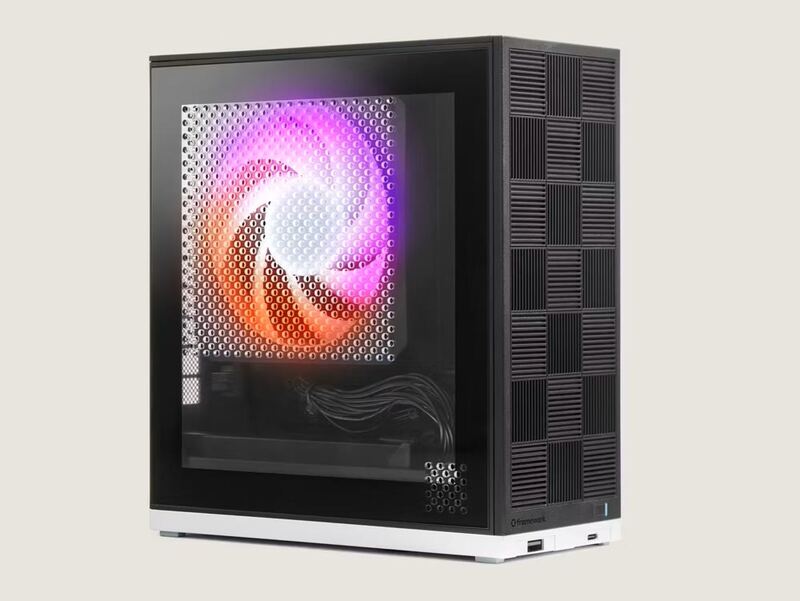
The Mac Studio M4 Max doubles both its bandwidth and memory ceiling for roughly the price increase. Pick the Mac mini M4 Pro if your models top out near 70B and you want Mac polish and silence at a lower price than the Mac Studio M4 Max; step up to a 128 GB box if you need more headroom.
Rating sources
Our 4.6 score is the average of these published ratings. More about methodology.