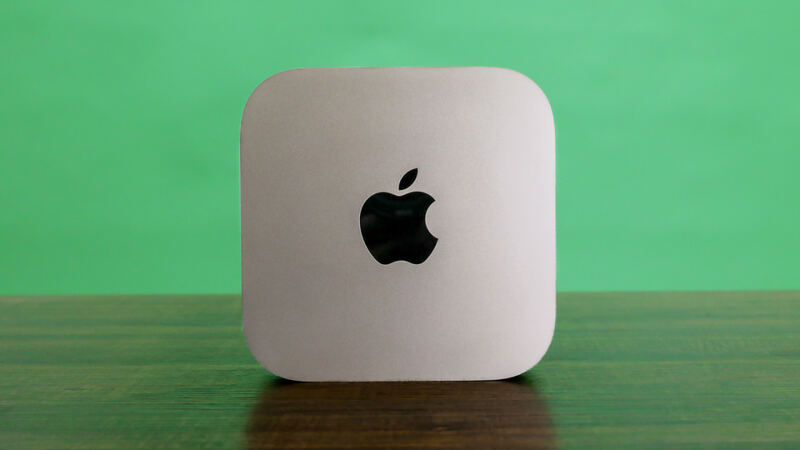
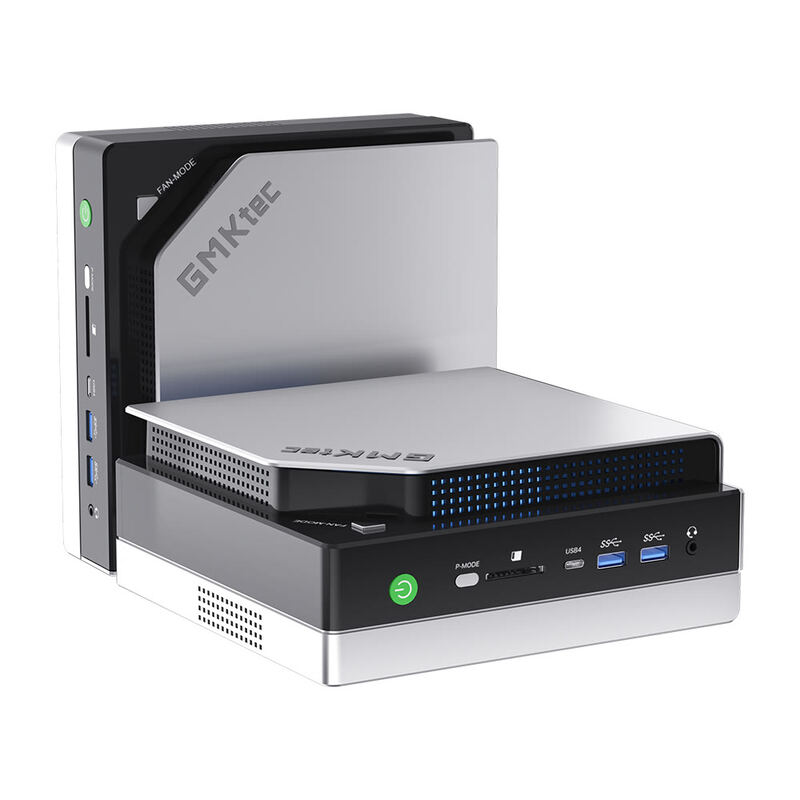
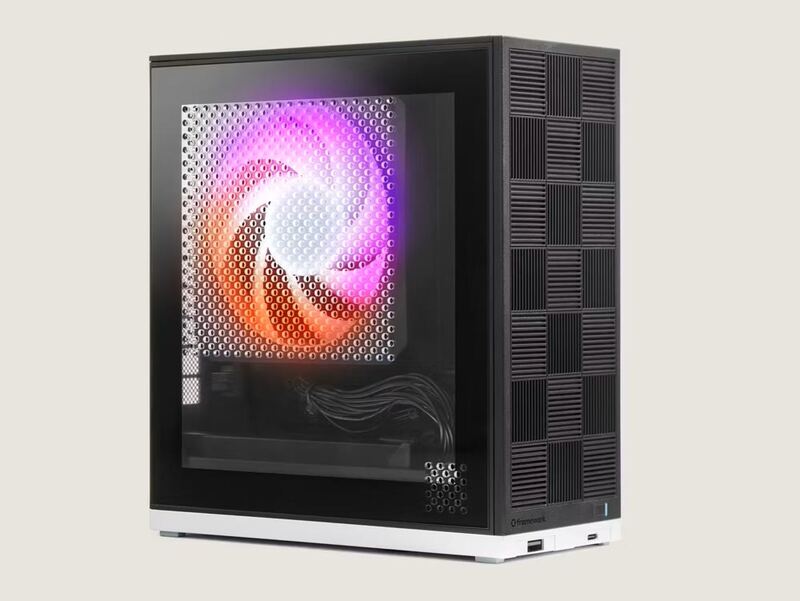
Bandwidth is what actually governs token speed, and the Mac Studio M4 Max has more of it than anything else in this group. At up to 546 GB/s it more than doubles the Mac mini M4 Pro's 273 GB/s and the Strix Halo boxes' 256 GB/s, and community testing puts 70B models at roughly 22-25 tokens/sec, far ahead of the rest of the field here. Macworld (4.5/5) and AppleInsider (4.5/5) both praised its performance and composure, with AppleInsider noting it is 'faster than the Apple Silicon Mac Pro, for half, and sometimes a quarter, of the price.' Its 128 GB unified memory ceiling fits 100B-class quants, and it stays cool and quiet doing it. The catch is the cost of the 128 GB configuration, and it is macOS-only, so Linux and CUDA tooling are out.
Full review
546 GB/s, double the Mac mini M4 Pro
Token generation is bandwidth-bound, and the M4 Max has more bandwidth than anything else in this group. AppleInsider confirmed 'up to 546GB/s' of unified memory bandwidth, roughly double the Mac mini M4 Pro's 273 GB/s and the 256 GB/s of the Strix Halo boxes. Community testing puts 70B models at roughly 22-25 tokens per second on the 128 GB configuration, well ahead of the 6-10 the other machines here manage at the same quant.
128 GB fits 100B-class quants
The memory ceiling defines what loads. After macOS overhead, 128 GB comfortably holds 70B models at high precision and reaches into 100B-class territory at lower-bit quantization, the same league as the GMKtec EVO-X2 and Beelink GTR9 Pro but at far higher throughput. MLX, Ollama and llama.cpp's Metal backend all run natively, and MLX addresses the unified pool without the host-to-VRAM copies that bottleneck discrete-GPU setups.
76 percent faster than the M2 Max, Macworld found
Macworld measured a '76 percent increase over the M2 Max' and called it 'a mean machine ideal for the most hectic of production environments.' AppleInsider's headline finding, that it is 'faster than the Apple Silicon Mac Pro, for half, and sometimes a quarter, of the price,' says how much compute is in the chassis. GeekCulture, scoring it 8.8/10, cited a Premiere Pro run where 'rendering 5GB of 4K 60 frames-per-second footage took five minutes.'
Cool and quiet through a long inference run
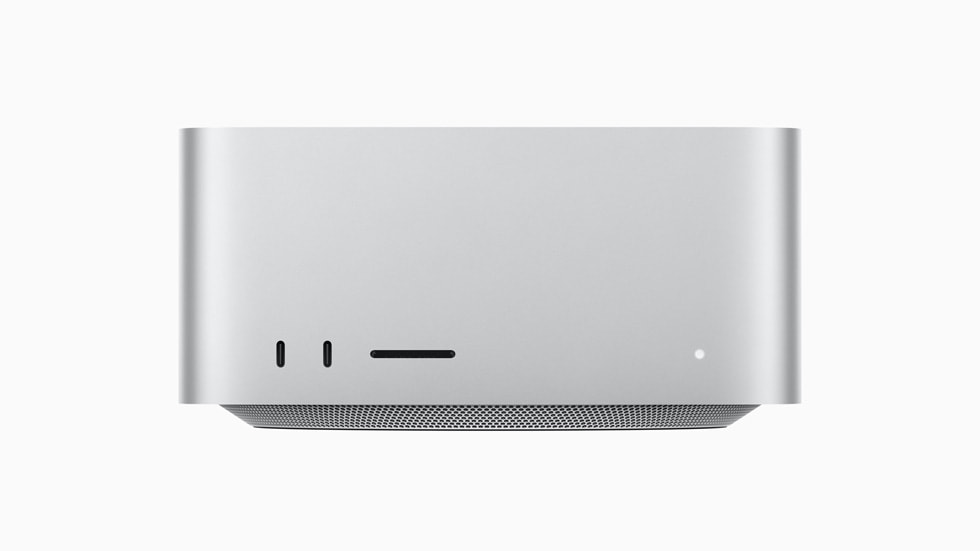
The trait that separates it from the fan-reliant mini PCs is composure under sustained load: it stays cool and near-silent, which over a long inference session means consistent token speed rather than throttling. The aluminum enclosure is 7.7 inches square, and connectivity is generous for the size, with Thunderbolt 5, 10Gb Ethernet, HDMI 2.1 and an SD slot.
Sealed at purchase, and priced accordingly
Nothing is user-serviceable: memory and storage are configured at order and permanent, and Apple's per-tier pricing for both is steep. GeekCulture flagged 'the persistent drawback of limited customisation,' with 'upgrade options tied to pre-purchase and a hefty cost.' The listed price is the base configuration; stepping up to the 128 GB that matches the GMKtec EVO-X2 and Beelink GTR9 Pro on model size adds substantially to it.
macOS only, so no CUDA and no Linux
The platform is the other limit. Anyone whose workflow depends on Linux, Windows or CUDA-native tooling cannot use this machine and should be looking at the Framework Desktop or the Strix Halo boxes instead. For buyers already inside the Apple ecosystem who need more than 64 GB and want the fastest local inference, nothing else here competes.
Strengths
- +Highest memory bandwidth here at 546 GB/s, the single most important spec for token generation speed
- +Up to 128 GB unified memory runs 70B models at roughly 22-25 tokens/sec and fits 100B-class quants
- +Stays cool and near-silent even under sustained inference, with no thermal throttling reported
- +Thunderbolt 5 (120 Gb/s) and 10Gb Ethernet for fast external storage and networking
- +Apple-silicon LLM toolchain is mature: MLX, Ollama, and llama.cpp's Metal backend all run natively
Watch-outs
- −Expensive once configured with 128 GB of memory, and upgrades must be chosen at purchase
- −Unified memory is soldered and configured at purchase, with steep Apple upgrade pricing
- −macOS only, so Linux/CUDA-native AI tooling is off the table
- −Overkill for anyone whose models fit comfortably in 64 GB
How it compares
Its memory ceiling of 128 GB matches the Strix Halo boxes for model size but at far higher bandwidth and price. Choose it over the Mac mini M4 Pro when you need both more than 64 GB and the fastest Apple inference; choose a GMKtec EVO-X2 or Framework Desktop instead if you want 128 GB on Linux or Windows at a fraction of the cost.
Rating sources
“It's a mean machine ideal for the most hectic of production environments”
“Faster than the Apple Silicon Mac Pro, for half, and sometimes a quarter, of the price”
“Expect a smoother creative workflow with the M4 Max chip”
Our 4.5 score is the average of these published ratings. More about methodology.