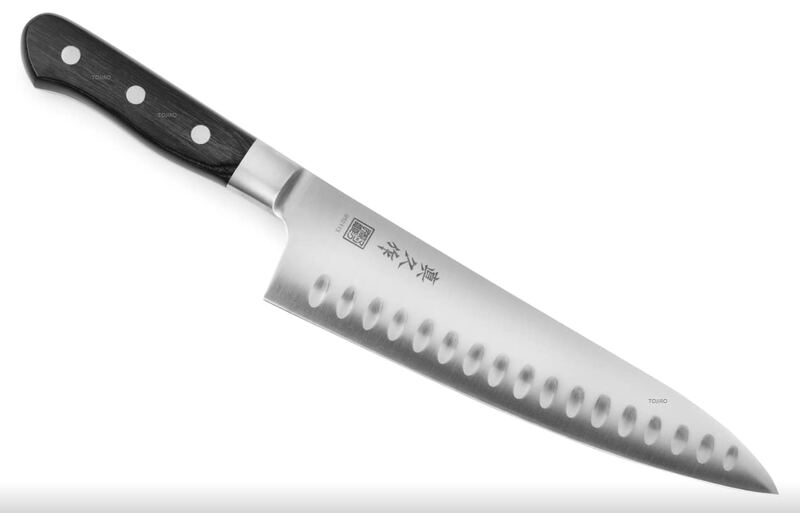
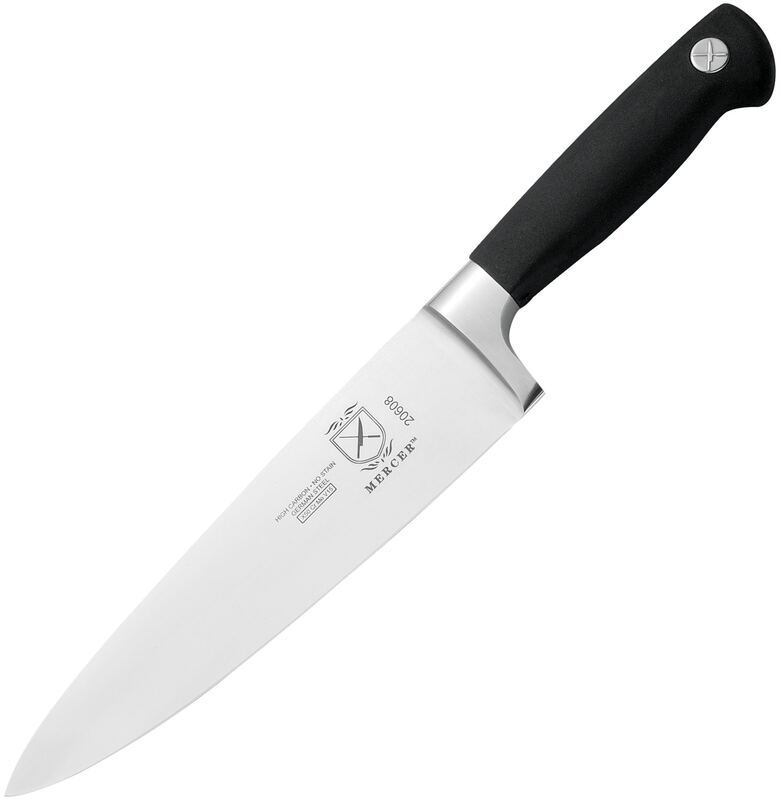
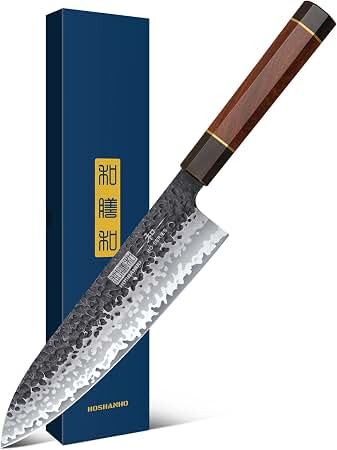
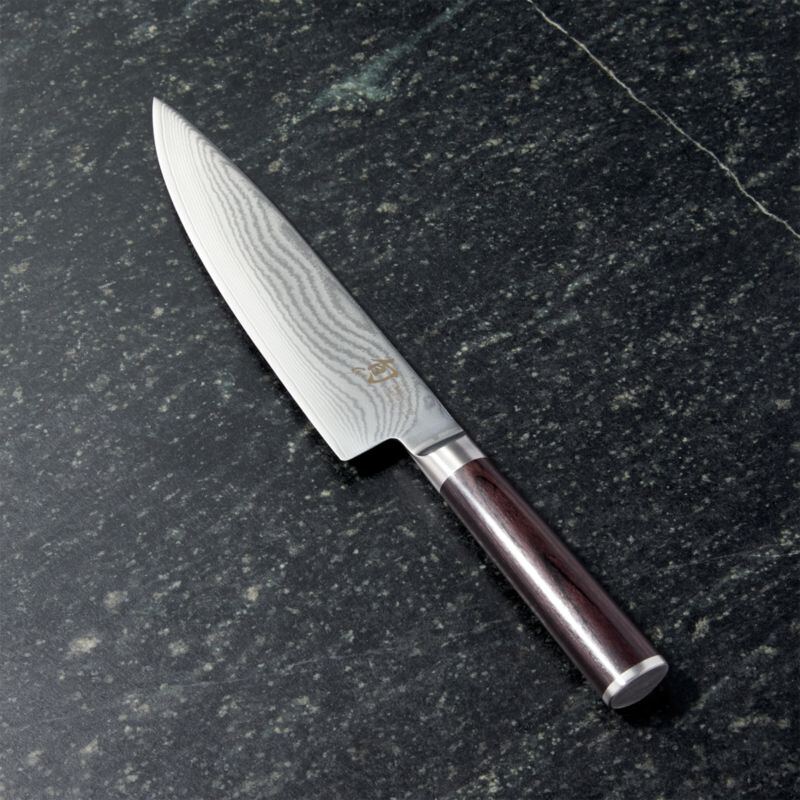
TechGearLab ranked the Mac Professional MTH-80 as their top pick for precision work, praising its exceptional sharpness out of the box which allows for fine cuts that other knives struggle to match. FoodJot highlighted the practical benefits of the hollow edge design and the durability of the PakkaWood handle, noting it is a favorite among professional cooks who value long-term performance. However, Cutlery and More pointed out that the short handle may feel awkward for users with larger hands or those accustomed to heavier Western-style blades. This knife is best suited for skilled home cooks seeking precision, while beginners might find the delicate edge and short grip intimidating.
Full review
Factory Sharpness and Precision Cutting
TechGearLab found this knife to be the sharpest in their lineup, capable of performing delicate chiffonades and creating thin tomato slices with ease. The blade arrives razor-sharp straight from the factory, requiring no additional work from reviewers to reach peak performance. This exceptional sharpness is driven by a 15-degree double-bevel edge that tapers smoothly from the spine down to the cutting line. Reviewers noted that this geometry allows the knife to glide through ingredients with minimal resistance, making it an ideal tool for cooks who prioritize precision over brute force.
The high carbon content of the molybdenum alloy steel contributes significantly to its ability to hold a keen edge. FoodJot reported that many professional chefs find they rarely need to sharpen this blade under normal use because the initial factory edge lasts exceptionally long. The sub-zero tempering process firms up the steel, enhancing its durability while maintaining the extreme sharpness required for fine culinary tasks. This combination of hardness and thin geometry results in a cutting experience that feels effortless compared to heavier Western-style alternatives.
Hollow Edge Dimples and Food Release
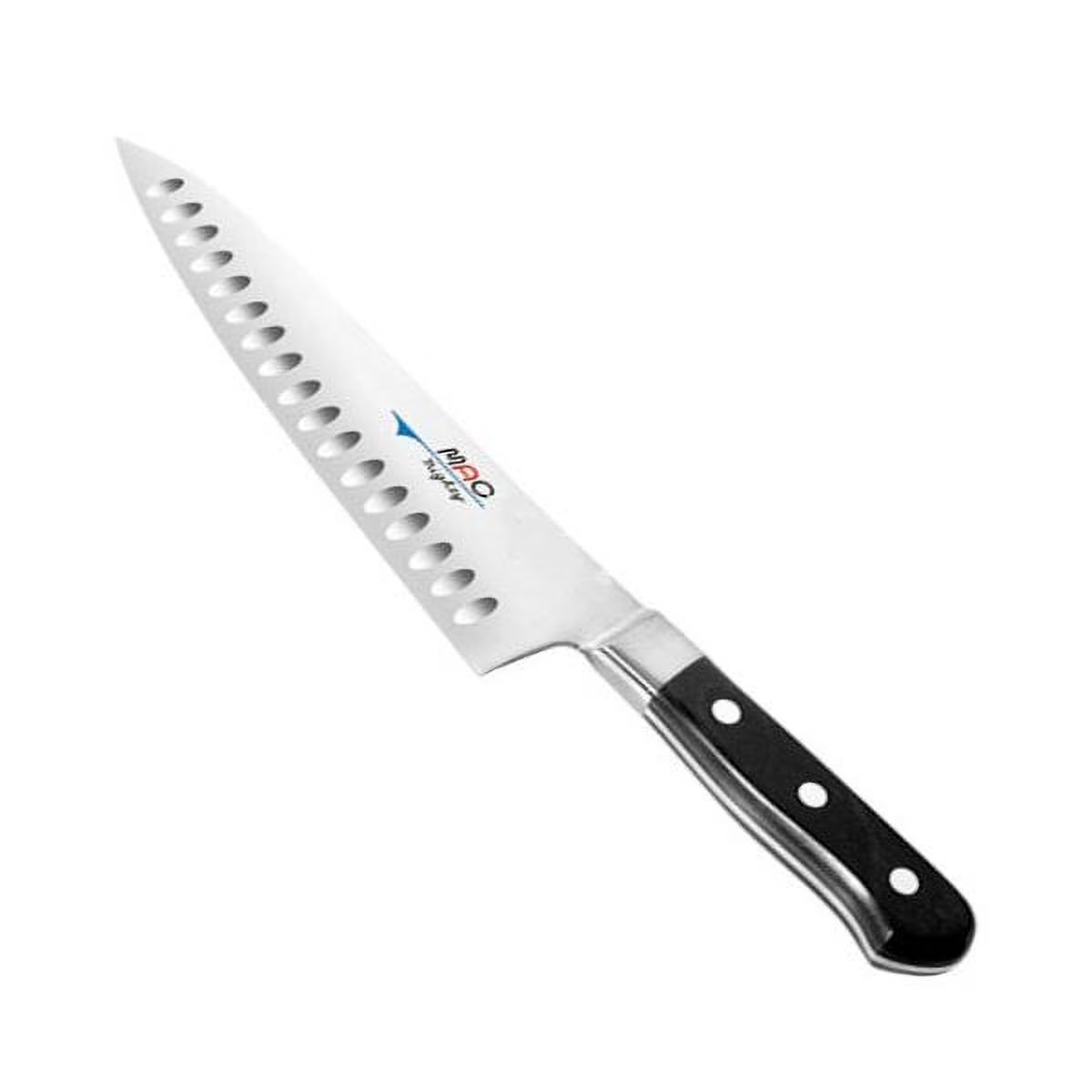
FoodJot noted that the hollow edge, also known as Granton dimples, creates small air pockets between the blade and the food being cut. These air pockets reduce drag and prevent sticky ingredients like potatoes or cured meats from clinging to the steel surface during repetitive prep work. Reviewers found this feature particularly useful for maintaining a clean cutting line when slicing through dense vegetables or soft fruits that typically adhere to flat blades.
While some reviewers initially questioned whether the dimples made a significant difference, practical usage confirmed their utility in specific scenarios. The air cushion effect helps preserve the keen edge during long prep sessions by reducing friction against the food. This design choice aligns with the knife's overall philosophy of maximizing efficiency and speed for professional cooks who spend hours chopping and slicing daily.
Weight Distribution and Balance Point
Cutlery and More described this model as a 'Gateway knife' because it successfully bridges the gap between heavy German steel and lightweight Japanese cutlery. The bolster provides a perfect balance point right at the base of the blade, offering the familiar feel that Western-style users expect while delivering the nimble handling characteristic of Japanese knives. This weight distribution allows for controlled rocking motions without sacrificing the agility needed for precise push cuts.
Reviewers appreciated how this reduced weight minimizes wrist fatigue during extended chopping sessions. The balance point located near the bolster ensures that the blade does not feel handle-heavy or tip-heavy, creating a neutral experience that adapts well to various cutting techniques. This makes it particularly suitable for cooks who switch between rocking and straight-chopping motions throughout their prep work.
Handle Ergonomics and Grip Comfort
TechGearLab reported that the handle is much shorter than average, making it unsuitable for inexperienced users or those who prefer a full-handle grip. The compact PakkaWood design demands a pinch grip to function optimally, which can be uncomfortable for cooks with larger hands or those accustomed to wrapping their entire hand around longer handles. Reviewers noted that while the handle is durable and comfortable for short durations, prolonged use without proper technique may lead to hot spots on the fingers.
The PakkaWood material itself received praise for being heat resistant, moisture resistant, and super durable. FoodJot emphasized that this engineered wood composite provides a secure grip even when wet, though it requires immediate drying after washing to prevent swelling. The triple-riveted construction ensures the handle remains firmly attached to the full tang, contributing to the overall structural integrity of the knife during heavy use.
Blade Geometry and Edge Profile
The blade features a unique profile that combines elements of both chef's knives and santokus. Reviewers observed that the edge is flatter than most Japanese chef's knives, allowing for straight precise cuts ideal for slicing vegetables evenly. At the same time, it retains enough curve near the heel to facilitate rocking motions when chopping herbs or onions. This hybrid geometry makes the knife versatile across different cutting tasks without requiring significant adjustments in technique.
The V-taper from spine to edge enhances its performance by allowing the blade to penetrate ingredients with ease. Cutlery and More highlighted that this thin profile reduces resistance during cuts, making it feel incredibly fluid to work with. The consistent grind along the entire length of the blade ensures a sharp, even edge that maintains its effectiveness over time, provided it is not subjected to abusive cutting practices.
Durability Concerns and Edge Care
The ultra-sharp edge is delicate and susceptible to chipping if used on frozen foods, bones, or hard squash. Reviewers consistently warned against using this knife for tasks that require significant force or impact, as the thin, hard steel can easily damage itself under such conditions. The manufacturer explicitly advises against cutting through bones or frozen items, reinforcing the need for careful handling and appropriate task selection.
Due to its high carbon content, the steel is more prone to rust and stains than standard stainless steel alternatives. Reviewers noted that acidic foods like citrus or tomatoes can stain the blade if left in contact for extended periods. This characteristic requires users to adopt a strict maintenance routine involving immediate hand washing and thorough drying after every use. While this care regimen may deter casual cooks, it is necessary to preserve the knife's performance and appearance over time.
Strengths
- +TechGearLab found it to be the sharpest knife in their lineup, capable of performing delicate chiffonades and thin tomato slices with ease.
- +FoodJot noted that the hollow edge (Granton) dimples create air pockets that reduce drag and prevent food from sticking to the blade.
- +Cutlery and More described it as a 'Gateway knife' for those transitioning from German steel, offering a lightweight Japanese blade with a familiar Western-style handle grip.
- +The knife features a short 8-inch stamped blade made in Japan with a PakkaWood handle that reviewers found to be durable and comfortable.
Watch-outs
- −TechGearLab reported the handle is much shorter than average, making it unsuitable for inexperienced users or those preferring a full-handle grip.
- −The ultra-sharp edge is delicate and susceptible to chipping if used on frozen foods, bones, or hard squash.
Rating sources
“The Mac was the hands-down favorite for delicate work among our experienced testers.”
“both of these knives are great but with a full retail price difference of about $60 I must say that you definitely get what you pay for with the Mac Mighty Pro”
Our 4.6 score is the average of these published ratings. Ratings marked * were derived from the reviewer’s written analysis or video transcript — the publisher didn’t print an explicit numeric score, so we inferred one from their own words. Click through to verify. More about methodology.