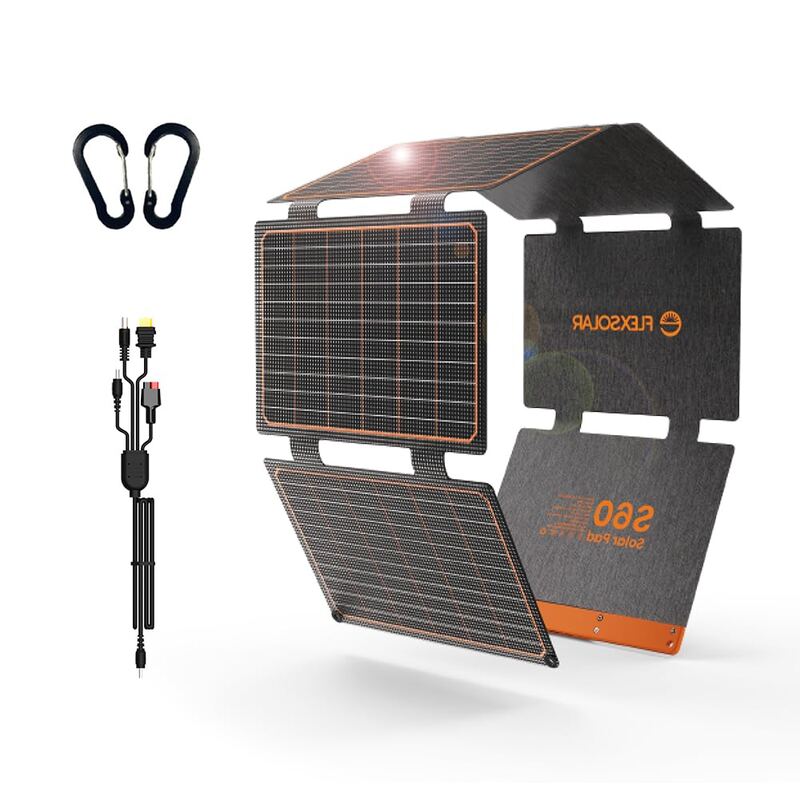
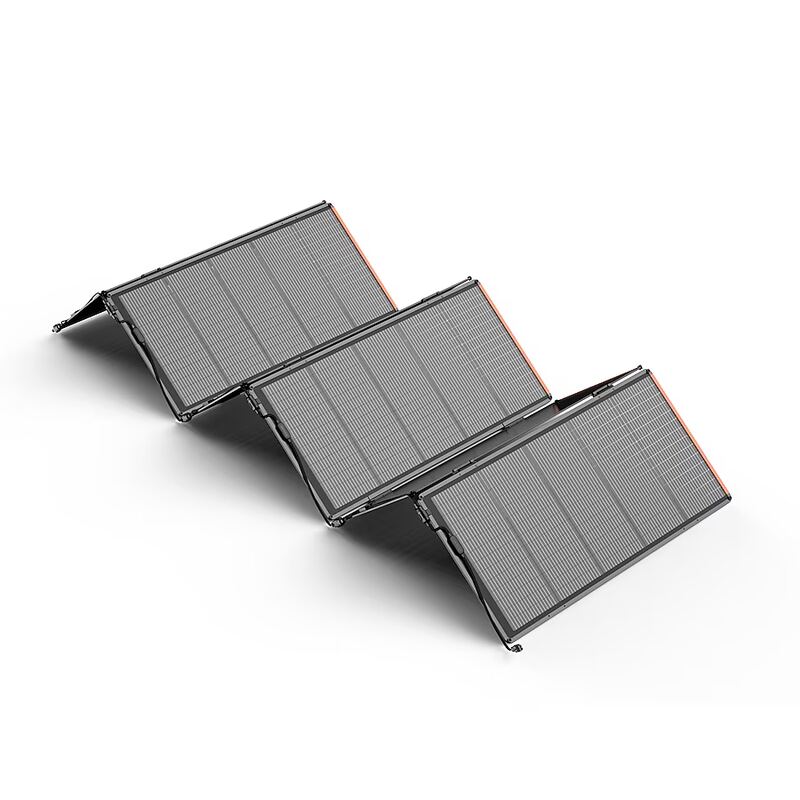
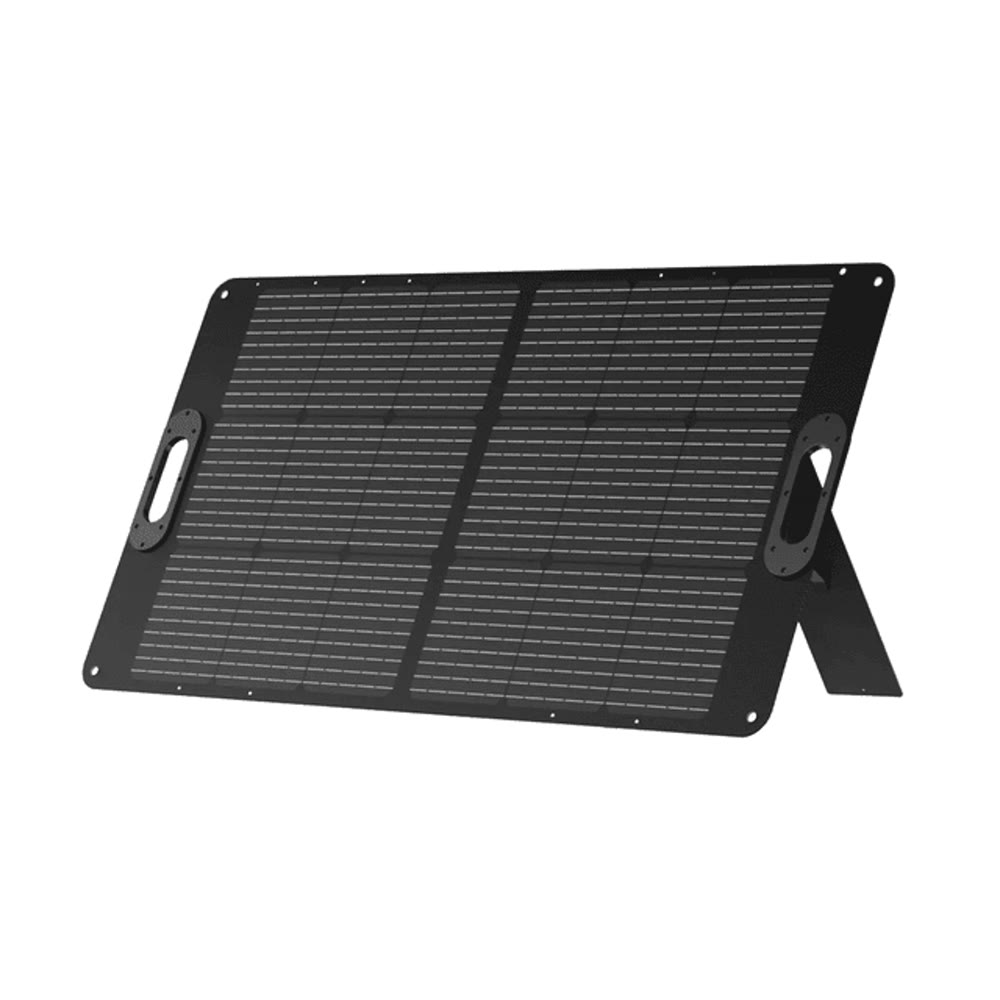
Survival Living found that this four-panel unit offers exceptional setup simplicity and portability, weighing just four pounds and folding compactly into a case with Velcro straps. The barrel plug connection provides easy integration for compatible OUPES power stations, though Mike Tango Whiskey noted that this proprietary interface restricts users to the brand’s ecosystem rather than allowing universal third-party panel compatibility. The 100W output serves primarily as a slow trickle charger or emergency top-up for small electronics like phones and lights, requiring significant direct sunlight exposure to generate meaningful power. This model fits vehicle campers and preppers seeking low-maintenance backup energy but is unsuitable for backpacking due to its bulk or for users needing rapid charging of large battery banks.
Full review
Setup simplicity and physical portability
Survival Living found that the OUPES 100W panel is exceptionally straightforward to deploy, requiring almost no technical knowledge or tools. The unit consists of four individual solar panels held together by Velcro strips, allowing it to fold into a compact square for storage. Once unfolded, small integrated flaps at the rear prop up the panels to maintain an optimal angle against the sun without needing external stands or ropes. This plug-and-play design means users can have the system generating power within minutes of opening the carrying case.
The physical weight and form factor make this panel highly suitable for vehicle camping rather than backpacking. This lightness allows a single person to easily carry the panel from a trunk to a sunny spot without assistance. The included carrying pouch features a sturdy handle, enabling users to roll up the folded panels and zip them securely for transport.
Despite its portability, the setup process requires attention to environmental conditions to maximize efficiency. Survival Living advised keeping the power station itself in the shade while exposing only the solar panels to direct sunlight. This prevents the internal battery from overheating during charging sessions. The simple barrel plug connection eliminates the need for complex wiring or voltage matching at the source end, making it accessible for users who have never handled solar equipment before.
Proprietary connector limitations
Survival Living identified a significant limitation regarding the connection interface: the barrel plug is proprietary to specific OUPES models and not universal across all solar generators. While many competitors use standard MC4 connectors or Anderson plugs that allow for third-party panel integration, this 100W unit relies on a custom barrel connector. This design choice restricts users from mixing and matching panels with other brands of portable power stations.
The reliance on a single proprietary connection type means that expanding the solar array requires purchasing additional OUPES-branded panels rather than sourcing cheaper alternatives from third-party manufacturers. Survival Living observed that this is a common marketing tactic among solar generator companies to lock users into their ecosystem. Users who already own generic MC4-based panels will find them incompatible with this specific 100W unit without using specialized, often bulky, adapter cables.
This limitation becomes more apparent when comparing the 100W model to larger OUPES systems like the Mega series. Mike Tango Whiskey noted that larger units utilize Anderson connectors and MC4 inputs, offering greater flexibility for high-wattage arrays. The barrel plug on the 100W panel is convenient for its intended small-scale use case but sacrifices the modularity that serious off-grid enthusiasts typically require. This design choice effectively turns the solar panel into a closed-loop accessory rather than an open-standard component.
Charging performance and wattage constraints
The 100W output rating places this panel in a specific niche where it serves as a trickle charger or emergency top-up rather than a primary power source. Survival Living confirmed that the unit performs well for its size, but the low wattage means charging times are heavily dependent on direct sunlight intensity and angle. In optimal conditions with full southern exposure, the panel can generate close to its rated 100W, but real-world output often fluctuates based on cloud cover or partial shading.
Mike Tango Whiskey’s experience with larger OUPES units highlights the contrast in charging capabilities between different product lines. While his Mega 2 review involved much higher wattage panels that could sustain heavy loads like freezers, the 100W panel is designed for smaller devices and lower-capacity power stations. The limited output means it cannot rapidly charge large battery banks during a grid-down event unless multiple identical units are chained together, which further complicates the proprietary connector issue.
The efficiency of this panel relies on consistent sunlight exposure throughout the day. Survival Living noted that even with good weather, the 100W input adds power slowly compared to AC wall charging or larger solar arrays. For users camping for a few days, this slow recharge rate is sufficient to keep phones and lights running but insufficient to run high-draw appliances like heaters or microwaves. The panel acts more as a maintenance tool for battery health than a rapid recovery solution.
Durability concerns in harsh environments
The physical construction of the OUPES 100W panel presents durability challenges when exposed to prolonged outdoor elements. Mike Tango Whiskey described his experience with larger OUPES panels as feeling stiff and board-like, comparing them to thick plastic boards rather than flexible fabric-based solar sheets. This rigidity makes them susceptible to cracking if folded incorrectly or subjected to physical stress during transport in a vehicle trunk.
Survival Living emphasized the importance of regular cleaning and proper storage to extend the lifespan of the panels. Leaving the units outdoors for extended periods can degrade the photovoltaic cells and damage the protective casing due to UV exposure, moisture, and temperature fluctuations. The IP65 water resistance rating protects against rain splashes but does not make the panel submersible or suitable for long-term outdoor installation.
The Velcro fasteners that hold the panels together are a potential weak point over time. Survival Living noted that while convenient for quick setup, Velcro can lose its adhesive strength after repeated use and exposure to dirt or moisture. Users must ensure the flaps are securely closed before packing to prevent wind from catching the edges and tearing the fabric or damaging the internal cells. Proper handling is essential to maintain the structural integrity of this lightweight design.
Ideal use cases for vehicle camping
The OUPES 100W Solar Panel is best suited for vehicle campers who need a lightweight, low-maintenance way to keep small electronics charged. Survival Living found that the system works great for powering lights, charging phones, and running mini-fridges at campsites where access to grid power is unavailable. The ease of setup makes it ideal for users who want to maximize sun exposure without spending time rigging complex mounting systems.
Preppers looking for a simple backup solution also benefit from this panel’s straightforward design. Mike Tango Whiskey suggested that while the larger Mega series units are too heavy for frequent movement, smaller panels like this 100W model can be easily deployed in garages or sheds during power outages. The ability to charge a portable power station silently and without fuel makes it a smart addition to any emergency preparedness kit.
However, the panel is not suitable for backpacking or ultralight hiking due to its bulk relative to its output. The unit shines in stationary scenarios where space is not a constraint and users can leave the panels laid out on the ground or propped against a vehicle for several hours.
Strengths
- +Foldable design features four panels held together by Velcro for easy setup and packing.
- +Includes a dedicated carrying pouch with a handle, weighing approximately 4 lbs.
- +Connects via a simple barrel plug that plugs directly into compatible OUPES power stations.
Watch-outs
- −Barrel plug connection is proprietary to specific OUPES models and not universal across all solar generators.
- −100W output is low relative to larger power stations, requiring significant sun exposure for meaningful charging.
How it compares
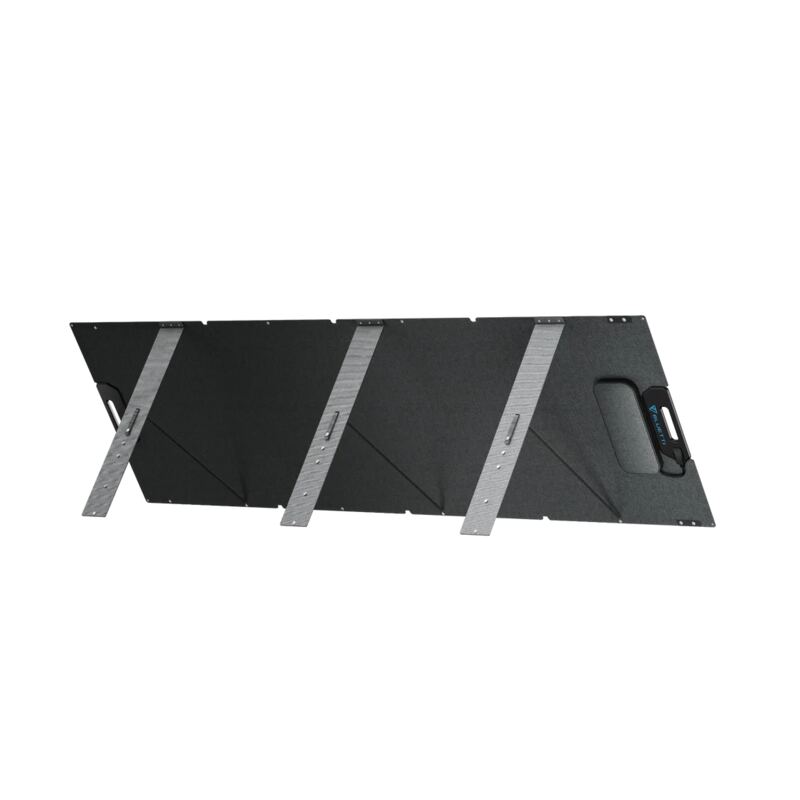
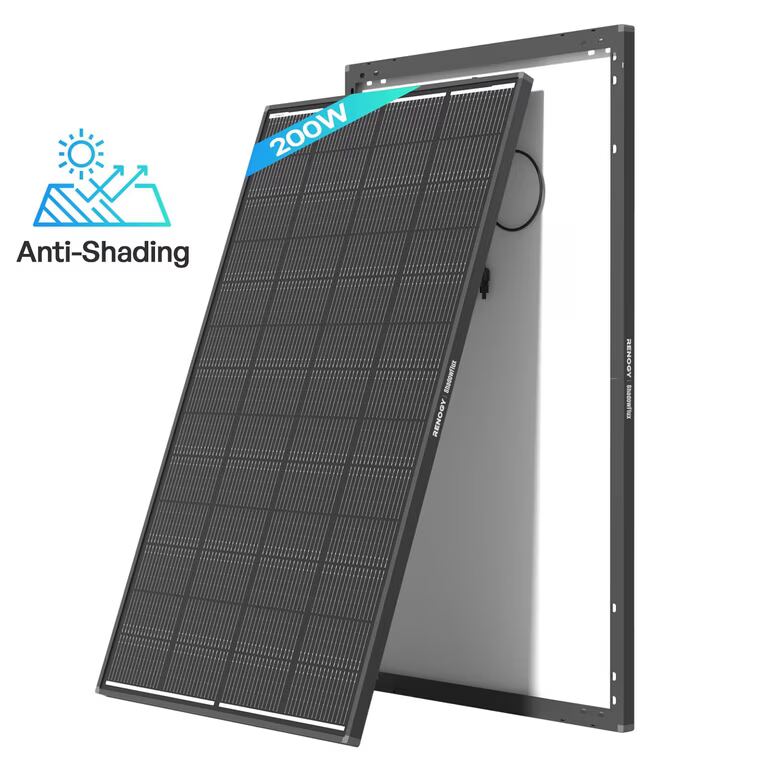
The Oupes 100W Portable Solar Panel uses a proprietary barrel plug connection, which restricts compatibility to specific OUPES models unlike the universal MC4 connectors on the Bluetti PV350 and Renogy 200W. It is lighter than the Jackery SolarSaga 200 but offers lower wattage, making it better for small electronics than large battery banks.
Rating sources
“This thing's freaking awesome. We put this thing through the test and it done very well.”
Our 3.5 score is the average of these published ratings. Ratings marked * were derived from the reviewer’s written analysis or video transcript — the publisher didn’t print an explicit numeric score, so we inferred one from their own words. Click through to verify. More about methodology.