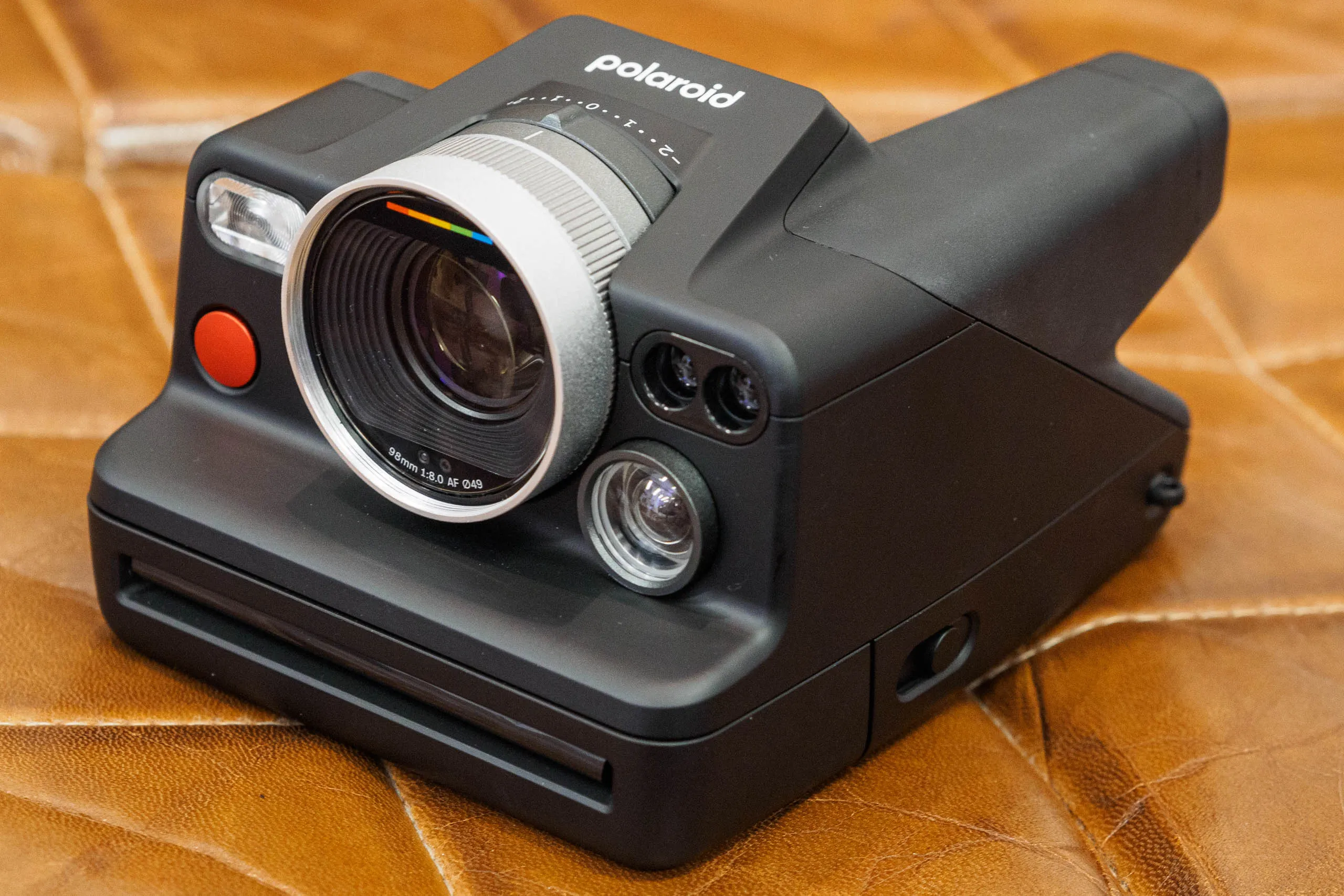
The Polaroid I-2 sits at the top end of instant cameras, with LiDAR autofocus, full manual controls, and support for multiple Polaroid film types. Dan Bracaglia of DPReview covered it as a mix of modern camera technology and traditional design, with solid build quality and advanced features. YouTube reviewers report a different picture after extended use: film counter malfunctions and jamming. Advanced users who want premium instant photography will get their money's worth, but anyone after something basic or cheap won't.
Full review
LiDAR autofocus with one centre point
DPReview's Dan Bracaglia found the LiDAR autofocus worked in all lighting conditions including dim rooms, and focused reliably on distant subjects, driven by a stepping motor that is quick and audibly busy. There is a single AF point, dead centre, so anything off-centre means half-pressing to lock and then recomposing, and there is no eye detection or point selection. Minimum focus is 0.8 metres with an infinity setting, a real gain over fixed-focus Polaroid bodies.
The sharpest lens Polaroid has fitted
The 98mm f/8 lens, roughly a 38mm equivalent, is described by Casual Photophile's James Tocchio as the sharpest ever put into a Polaroid camera. It is a three-element design in polycarbonate and acrylic with anti-reflective coating rather than glass, and it stops down to f/64, which is more aperture range than any earlier instant camera offered. In practice the sharpness lands near a good autofocus vintage Polaroid, so the gain over a fixed-focus body is large and the gain over a well-kept classic is not.
Six modes behind a viewfinder that is not the lens
Six modes cover full manual, aperture priority, shutter priority, auto, multi-exposure and self-timer, with exposure compensation to plus or minus 2 stops in third-stop increments and centre-weighted metering. The viewfinder reports aperture, shutter speed, frames left, battery and compensation, but it is a rangefinder-style window rather than a through-the-lens view, so close-up framing is imprecise. Auto mode leans toward overexposure, and reviewers settled on dialling in negative compensation as standard practice.
The price of four Polaroid Now+ bodies
At $599 this is by a wide margin the most expensive way to shoot Polaroid film, enough for four new Now+ bodies or a well-kept vintage SLR 680. A charge covers about 15 packs, and the battery is internal and USB-C only, so it cannot be swapped in the field. Owners have also reported the film counter misreporting and film jamming, which is a serious fault at this price and the strongest reason to hesitate.
Strengths
- +LiDAR autofocus system that works well in all lighting conditions including dim settings
- +Full manual controls with aperture priority, shutter priority, and full manual modes
- +Compatible with all Polaroid film types including i-Type, 600, and SX-70 film
- +Sharp 98mm f/8 lens with 38mm equivalent field of view and good subject separation
Watch-outs
- −Internal battery is not removable and rechargeable only via USB-C
- −Shutter speed range limited to 30 sec to 1/250 sec with no bulb option
- −Camera has reported issues with film counter malfunctioning and jamming
How it compares
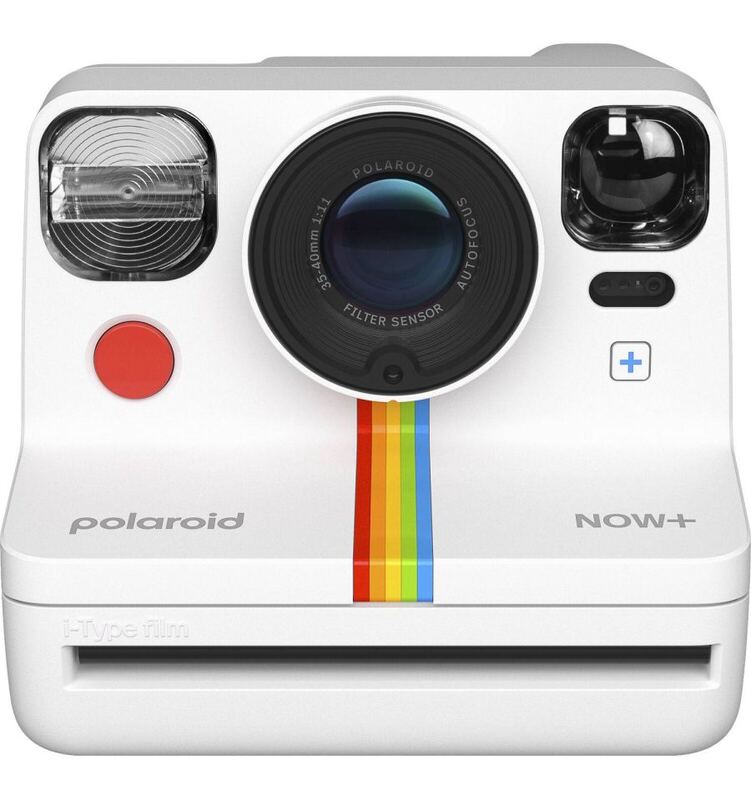
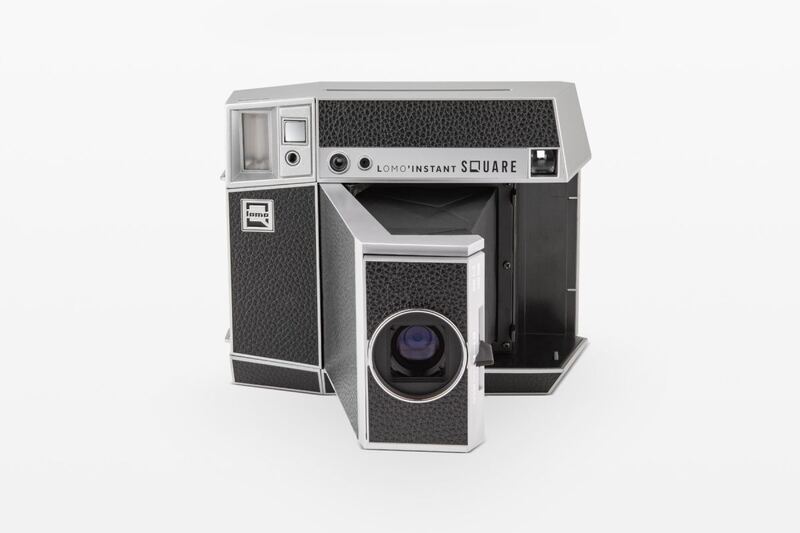
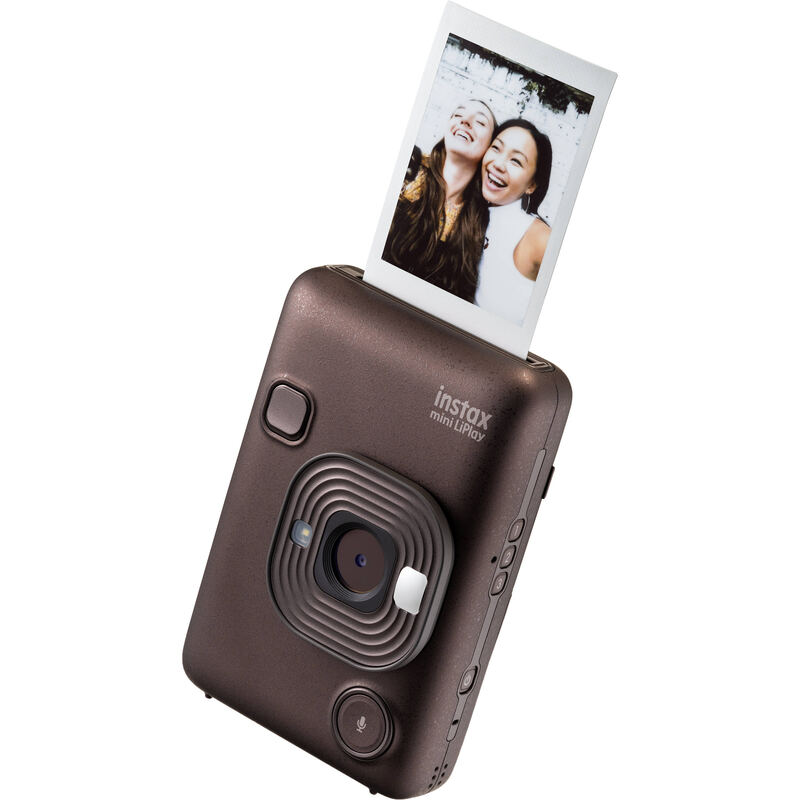
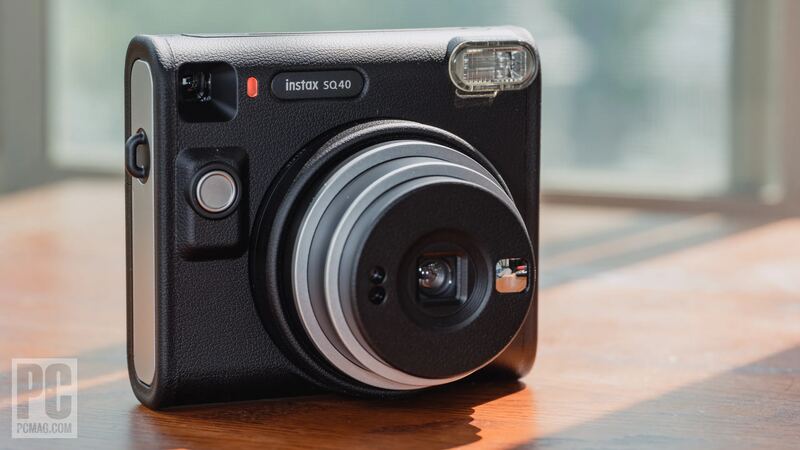
The Polaroid I-2's LiDAR autofocus and full manual controls make it superior to the Polaroid OneStep 2 and Snap 2, which lack advanced focusing capabilities. Unlike the Fujifilm Instax Square SQ40, it doesn't produce square prints but offers more professional features. Compared to the Lomo Instant Square, it lacks creative exposure modes but provides better image quality and more reliable operation.
Rating sources
“this is the Polaroid camera to beat in terms of features, build quality and control.”
Our 3.6 score is the average of these published ratings. Ratings marked * were derived from the reviewer’s written analysis or video transcript — the publisher didn’t print an explicit numeric score, so we inferred one from their own words. Click through to verify. More about methodology.