Verdict
Head-to-head · Best Capture Cards for Streaming

AVerMedia Live Gamer 4K (GC573) vs Elgato 4K X

Which is the better buy? Side-by-side on rating, price, strengths, and watch-outs — with the published ratings we averaged to get there.

The short answer

Elgato 4K X comes out ahead by a narrow margin (4.3 vs 4.6). The gap is mostly about Serious streamers and creators capturing high-refresh 4K gameplay from a PS5 or modern PC who want maximum headroom. — read the strengths below before deciding.

AVerMedia Live Gamer 4K (GC573)
Ranked #4 in Best Capture Cards for Streaming
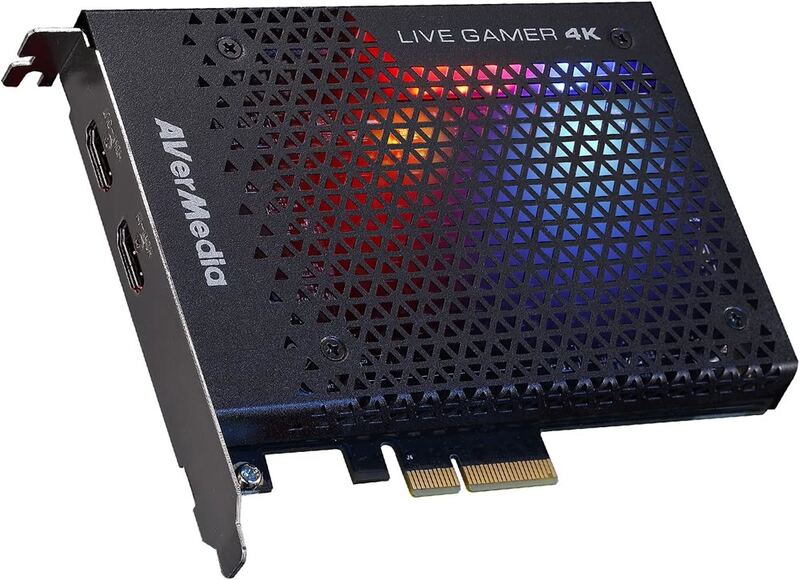
AVerMedia Live Gamer 4K (GC573)
$159.99as of Jun 7

The AVerMedia Live Gamer 4K (GC573) is the internal-card pick, delivering 4K60 HDR10 capture and high-frame-rate 1440p144/1080p240 modes from a PCIe slot. Reviewers praise its low latency and superb footage, and it often undercuts Elgato's internal 4K60 Pro. The catch is a documented PCIe-bandwidth quirk that can cap capture near 55fps on some setups, so slot placement matters.

Strengths
  • 4K60 HDR10 capture and passthrough as an internal PCIe card
  • Supports high-frame-rate 1440p144 and 1080p240 capture
  • Very low latency capture with playable preview window
Watch-outs
  • PCIe x4 bandwidth quirk can cap capture near 55fps on some boards
  • Passthrough latency too high to game on the return signal
  • Best 4K/HDR/high-fps recording historically favored NVIDIA GPUs
Elgato 4K X
Higher ratedRanked #1 in Best Capture Cards for Streaming
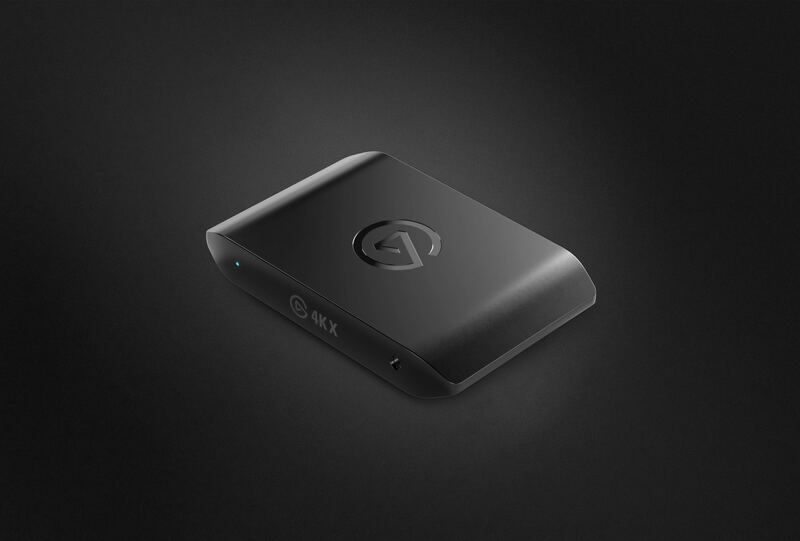
Elgato 4K X
$201.71as of Jun 7

The Elgato 4K X is the most capable external capture card you can buy right now, pushing all the way to 4K144 capture with HDR10 and HDMI 2.1 passthrough. Reviewers treat it as the gold standard for serious creators who want headroom beyond 4K60. It costs more than the competition and demands a fast PC, but nothing else in the external class matches its ceiling.

Strengths
  • Captures up to 4K144 with HDR10, far beyond most external cards
  • HDMI 2.1 in and out with lag-free VRR passthrough for OLED and high-refresh panels
  • USB 3.2 Gen 2 (USB-C) keeps it external and PC-and-Mac friendly
Watch-outs
  • Most expensive external card here at around $200
  • 4K144 capture needs serious storage and CPU headroom
  • HDR10 capture is Windows-only

How they stack up

AVerMedia Live Gamer 4K (GC573)

The GC573 is the only internal PCIe card here, capturing 4K60 like the AVerMedia Live Gamer Ultra S (GC553Pro) but inside the case. It lacks the 4K144 ceiling of the Elgato 4K X and the plug-and-play ease of the external Elgato HD60 X, and its passthrough latency is worse than those external boxes.

Elgato 4K X

The 4K X is the only card here that captures past 4K60, beating the AVerMedia Live Gamer Ultra S (GC553Pro) which caps at 4K60. It is external like the Elgato HD60 X but far more capable, and unlike the internal AVerMedia Live Gamer 4K (GC573) it needs no PCIe slot.

Specs side-by-side

SpecAVerMedia Live Gamer 4K (GC573)Elgato 4K X
Max Capture4K60 HDR10 (1440p144 / 1080p240)4K144 (2160p144) HDR10
Passthrough4K60 HDR10, 1440p144, 1080p2404K144 (4K120 on DSC displays), VRR
InterfacePCIe x4 (internal)USB 3.2 Gen 2 (USB-C)
HDMIHDMI 2.0 in / outHDMI 2.1 in / out
HDRHDR10 capture + passthroughHDR10 capture (Windows) + passthrough
CompatibilityDesktop PC (PCIe slot required)PS5, Xbox Series X, Switch, PC, Mac, iPad
Form FactorInternal add-in cardExternal
← See the full ranking of best capture cards for streaming