The Elgato 4K X is the most capable external capture card you can buy right now, pushing all the way to 4K144 capture with HDR10 and HDMI 2.1 passthrough. Reviewers treat it as the gold standard for serious creators who want headroom beyond 4K60. It costs more than the competition and demands a fast PC, but nothing else in the external class matches its ceiling.
Full review
Vooks calls it gold-standard hardware
The Elgato 4K X earns its place at the top of the external capture class by pushing all the way to 4K144 capture, a ceiling no other external card here reaches. KitGuru, which scored it 8.5/10, called it one of the most feature-complete capture cards on the market and praised its ability to capture a wide variety of devices at 4K 144Hz with HDR10. In testing across a PS5 and a high-refresh gaming monitor, reviewers consistently described it as the most capable external option available in 2026.
Vooks framed it as the gold-standard hardware for recording short of the super high-end professional tier, noting it works with no stress for most people. MMORPG's hands-on testing found the 4K X delivered flicker-free, stable performance without any noticeable hiccups during extended capture sessions. That reliability under sustained high-bandwidth capture is exactly what separates it from cheaper cards that wobble at the top of their spec sheets.
Capture Quality and HDR
Where the 4K X pulls ahead is the combination of HDMI 2.1 input and HDR10 capture. Reviewers confirmed it captures HDR10 footage on Windows and passes through HDR signals to your display, with on-device HDR-to-SDR tonemapping that simplifies recording when your editing pipeline is not HDR-aware. The 4K144 capture ceiling means it can record frame rates most competitors physically cannot reach over their interfaces.
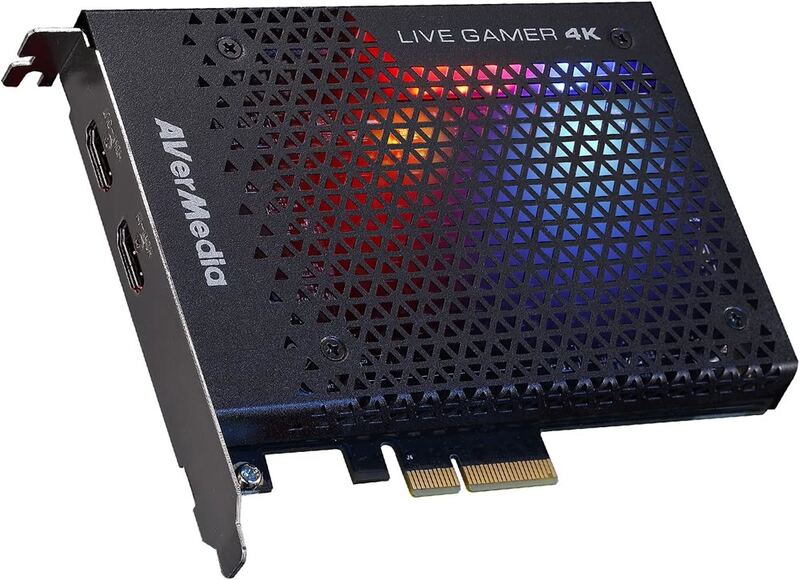
KitGuru highlighted the HDR10 capture capability as a genuine differentiator rather than a marketing checkbox. For creators recording from a PS5 Pro or a 120Hz-plus PC setup, the headroom is real: the card is not bottlenecked at 4K60 the way the AVerMedia Live Gamer Ultra S is, and it does not need an internal PCIe slot the way the Live Gamer 4K does.
Build Quality and Connectivity
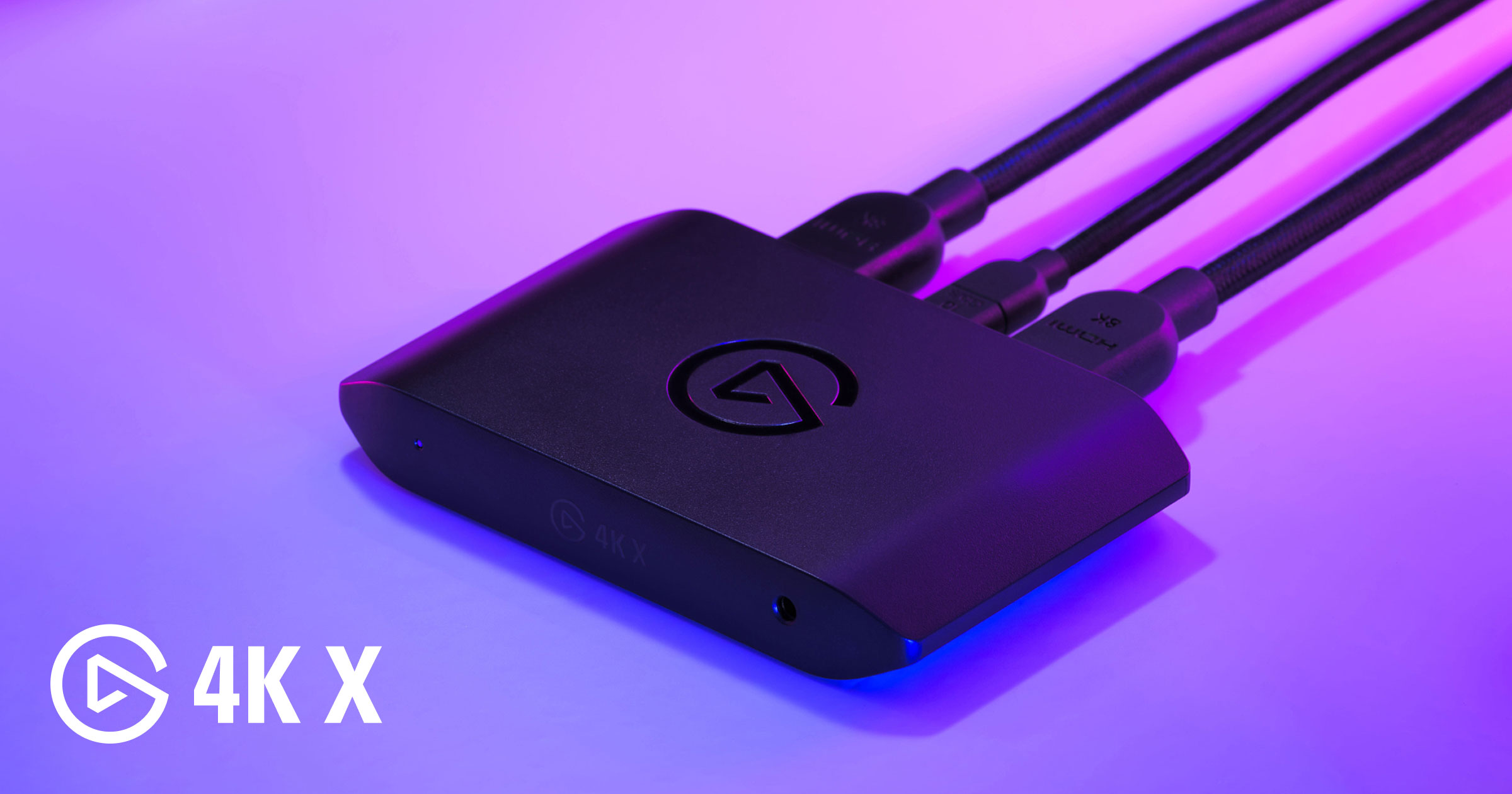
The 4K X is an external box connecting over USB 3.2 Gen 2 via USB-C, with HDMI 2.1 ports on both the input and output. That external design keeps it compatible across PS5, Xbox Series X, Switch, Steam Deck, PC, Mac and iPad without opening a case. Reviewers noted the build feels solid and the passthrough is genuinely lag-free, which matters for anyone gaming on the same display they are capturing from.
One practical caveat KitGuru flagged is that the card can be temperamental with third-party HDMI cables. Sticking with the bundled cable or a known-good certified HDMI 2.1 cable avoids handshake and signal-dropout issues that some users hit when substituting cheaper cables.
Software and Ecosystem
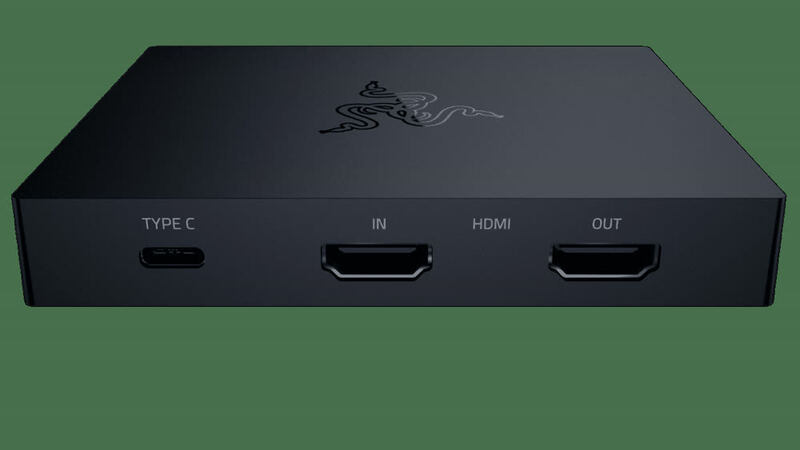
The 4K X plugs into Elgato's mature capture-and-stream software, which reviewers across the category consider the most polished tooling available — a real advantage over the AVerMedia cards' bundled apps and the Razer Ripsaw HD, which ships with no first-party software at all. For creators who want a single application to capture, monitor and configure their card, that ecosystem is part of what justifies the price.
Crucially, the card also works cleanly in OBS, so power users are not locked into Elgato's software if they prefer their own pipeline. The on-device HDR-to-SDR tonemapping is handled in hardware, which means even editors on non-HDR workflows get usable footage without wrestling color management in post. The combination of hardware capability and software polish is what reviewers point to when they call it the gold-standard external card.
HDR10 capture is Windows-only
The 4K X is the most expensive card in this roundup at roughly $200, and that premium only pays off if you actually capture above 4K60. For 1080p or 4K30 console streamers, the cheaper Elgato HD60 X covers the job for less. HDR10 capture is also Windows-only, so Mac users lose one of the headline features even though passthrough still works.
Capturing at 4K144 is demanding on the host system: you need fast storage and meaningful CPU headroom to record those bitrates without dropped frames. The third-party cable sensitivity is a minor but real annoyance. None of these are dealbreakers for the target buyer, but they make the 4K X overkill for anyone whose sources top out at 4K60.
Only card here that reaches 4K144
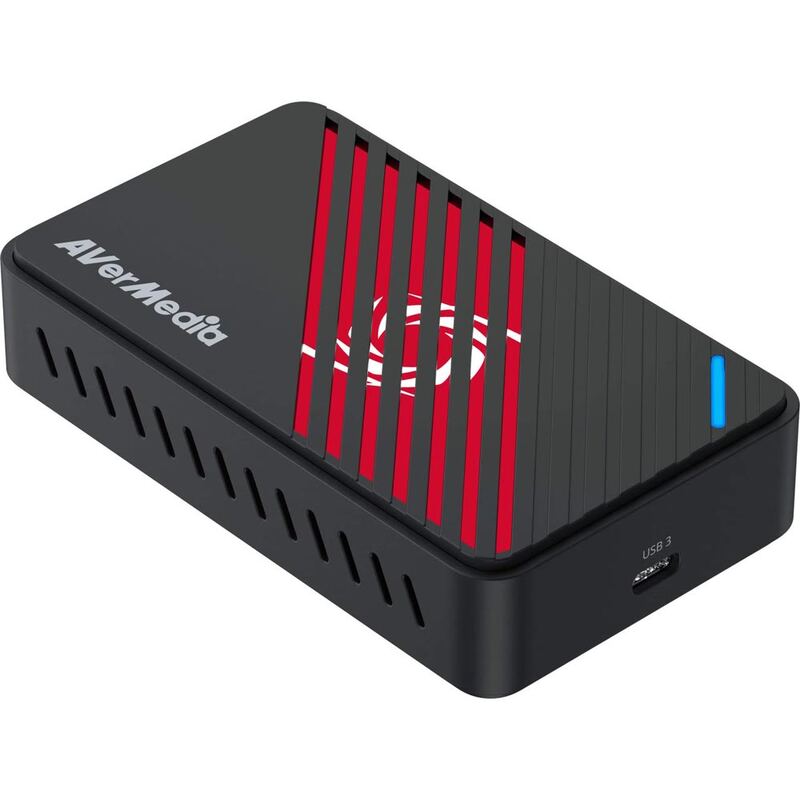
Against the AVerMedia Live Gamer Ultra S (GC553Pro), the 4K X wins on ceiling — 4K144 versus 4K60 — but costs more and is not necessary if your sources never exceed 4K60. Compared to the internal AVerMedia Live Gamer 4K (GC573), the 4K X avoids the PCIe-bandwidth quirk that can cap the GC573 around 55fps, and it stays portable.
The Elgato HD60 X is the closest sibling: same external USB form factor and Elgato software, but the HD60 X caps capture at 1080p60 (or 4K30) while the 4K X goes far beyond. If money is no object and you want the most future-proof external card, the 4K X is the clear pick; everyone else can step down a tier.
Only worth it above 4K60 capture
At roughly $200 the 4K X is the priciest external card in this group, and whether it represents good value depends entirely on your sources. If you genuinely capture above 4K60 — recording high-refresh PC gameplay or PS5 Pro output — there is no cheaper external way to do it, and the card pays for itself in headroom you cannot get elsewhere. KitGuru's 8.5/10 verdict reflects a card that justifies its price for the right buyer rather than one that wins on cost.
For everyone whose sources cap at 4K60, the value math flips. The AVerMedia Live Gamer Ultra S captures the same 4K60 for well under half the price, and the Elgato HD60 X covers 1080p streaming for less still. The 4K X is the card you buy when you have decided that future-proof headroom and HDMI 2.1 are worth a premium, not the card you buy to save money.
Anchors a multi-source streaming setup
The Elgato 4K X is for serious streamers and content creators who capture high-refresh 4K gameplay from a PS5 Pro or a modern high-refresh PC and refuse to be limited by a 4K60 ceiling. If you record in HDR on Windows, edit on a fast machine, and want a single external box that handles everything from a Switch to a 144Hz PC, this is the card. Its broad device compatibility means it can anchor a multi-source setup without needing a second capture device.
It is not the right choice for casual 1080p console streamers or budget-conscious beginners — the HD60 X or the AVerMedia GC553Pro deliver excellent results for noticeably less money. Buy the 4K X when the headroom is something you will actually use, not just a spec-sheet bragging right, and pair it with a fast SSD and a known-good HDMI 2.1 cable to get the most from it.
Strengths
- +Captures up to 4K144 with HDR10, far beyond most external cards
- +HDMI 2.1 in and out with lag-free VRR passthrough for OLED and high-refresh panels
- +USB 3.2 Gen 2 (USB-C) keeps it external and PC-and-Mac friendly
- +Works across PS5, Xbox Series X, Switch, Steam Deck, PC, Mac and iPad
- +On-device HDR-to-SDR tonemapping simplifies recording for non-HDR workflows
Watch-outs
- −Most expensive external card here at around $200
- −4K144 capture needs serious storage and CPU headroom
- −HDR10 capture is Windows-only
- −Can be temperamental with third-party HDMI cables
How it compares
The 4K X is the only card here that captures past 4K60, beating the AVerMedia Live Gamer Ultra S (GC553Pro) which caps at 4K60.
Rating sources
“The 4K X is one of the most feature complete capture cards on the market right now.”
“The gold standard hardware for recording without getting into the super high-end stuff.”
Our 4.4 score is the average of these published ratings. Ratings marked * were derived from the reviewer’s written analysis or video transcript — the publisher didn’t print an explicit numeric score, so we inferred one from their own words. Click through to verify. More about methodology.