Verdict
The Best 5Reviewed by Mike Hunter·May 24, 2026

Best Capture Cards for Streaming

Top 5 capture cards for streaming and recording on PC and console, reviewed and ranked.

Quick answer

Elgato 4K X is our top pick for capture cards for streaming — an averaged 4.6/5 across 3 published reviews at about $201.71. Runner-up: AVerMedia Live Gamer Ultra S (GC553Pro) (~$139.99).

At a glance

Tap any product for the full review
1Elgato 4K XTop Score
(3 sources)
$201.71Best for: Serious streamers and creators capturing high-refresh 4K gameplay from a PS5 or modern PC who want maximum headroom.
$201.71 · Check Price on Amazon
(3 sources)
$139.99Best for: Streamers who want 4K60 HDR capture from a PS5 or Xbox Series X without paying flagship prices.
$139.99 · Check Price on Amazon
(3 sources)
$138.84Best for: Console streamers who output at 1080p and want the simplest, most reliable plug-and-play capture box with great software.
$138.84 · Check Price on Amazon
(3 sources)
$159.99Best for: Desktop PC streamers who prefer an internal card for 4K60 HDR capture and have a free PCIe slot.
$159.99 · Check Price on Amazon
(3 sources)
$136.97Best for: Budget-minded beginners who want crisp 1080p60 capture with 4K passthrough and already use OBS.
$136.97 · Check Price on Amazon
Verdict is reader-supported. As an Amazon Associate we earn from qualifying purchases. Some links on this page are affiliate links — if you click through and buy, we may earn a small commission at no extra cost to you. Our ratings are sourced from independent publications, not sponsors.
Reviews aggregated from
Pcgamer.comTweaktown.comKitguru.netVooks.netMmorpg.comGamerevolution.comTech4gamers.comWindowscentral.com

The full ranking

How we rank →
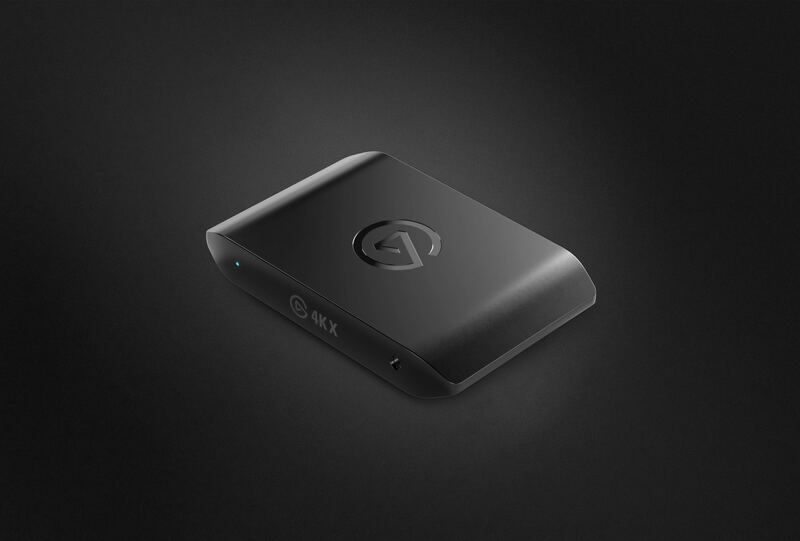
Elgato 4K X
#1 · Top Score
Best for: Serious streamers and creators capturing high-refresh 4K gameplay from a PS5 or modern PC who want maximum headroom.
Elgato 4K X
from 3 sources$201.71as of Jun 7

The Elgato 4K X is the most capable external capture card you can buy right now, pushing all the way to 4K144 capture with HDR10 and HDMI 2.1 passthrough. Reviewers treat it as the gold standard for serious creators who want headroom beyond 4K60. It costs more than the competition and demands a fast PC, but nothing else in the external class matches its ceiling.

Strengths
  • Captures up to 4K144 with HDR10, far beyond most external cards
  • HDMI 2.1 in and out with lag-free VRR passthrough for OLED and high-refresh panels
Watch-outs
  • Most expensive external card here at around $200
  • 4K144 capture needs serious storage and CPU headroom
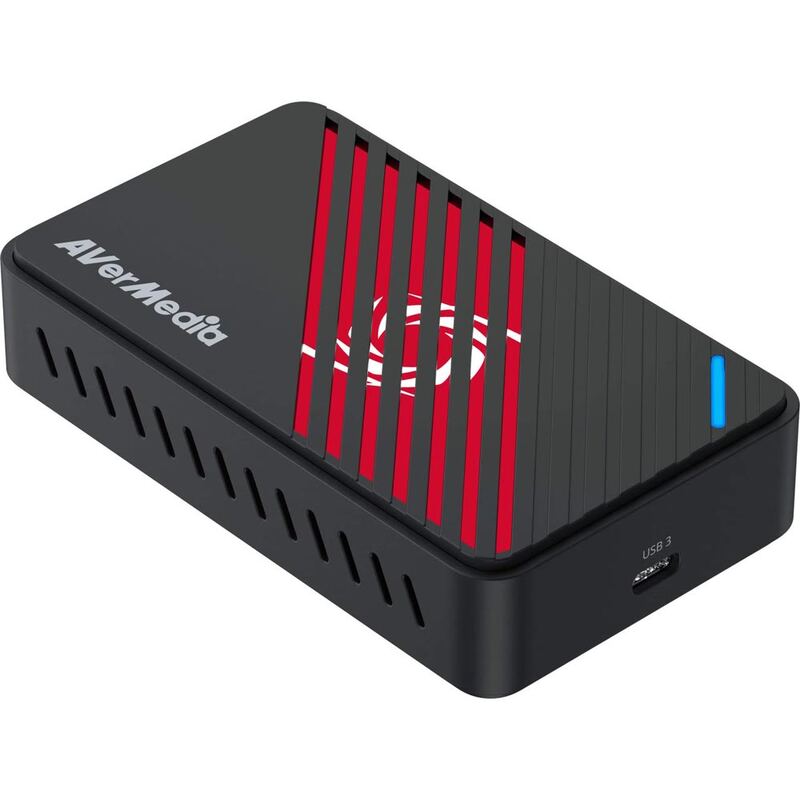
AVerMedia Live Gamer Ultra S (GC553Pro)
#2
Best for: Streamers who want 4K60 HDR capture from a PS5 or Xbox Series X without paying flagship prices.
AVerMedia Live Gamer Ultra S (GC553Pro)
from 3 sources$139.99as of Jun 7

The AVerMedia Live Gamer Ultra S (GC553Pro) is the value champion of the category, delivering 4K60 HDR capture with VRR plus 1440p144 and 1080p240 high-frame-rate modes at well under half the cost of the top Elgato. Reviewers found its 4K60 footage from a PS5 nearly indistinguishable from the pricier Elgato 4K X. The only real ceiling is the lack of HDMI 2.1, which most streamers will never miss.

Strengths
  • 4K60 capture and passthrough with HDR and VRR support
  • High-frame-rate modes: 1440p144 and 1080p240 capture
Watch-outs
  • No HDMI 2.1, so no 4K120 capture
  • Tops out at 4K60 versus the 4K X's 4K144
Elgato HD60 X
#3
Best for: Console streamers who output at 1080p and want the simplest, most reliable plug-and-play capture box with great software.
Elgato HD60 X
from 3 sources$138.84as of Jun 7

The Elgato HD60 X is the safe, beginner-friendly external card that pairs reliable 1080p60 capture with 4K60 HDR and 1440p120 VRR passthrough. Reviewers consistently praise it as the easiest plug-and-play option with the most polished software, ideal for console streamers who output at 1080p. It is fundamentally a 1080p capture card, so creators who actually need 4K recording should step up.

Strengths
  • 4K60 HDR10 passthrough with 1440p120 and VRR for modern consoles
  • Reliable, high-quality 1080p60 capture for streaming
Watch-outs
  • Capture maxes out at 1080p60 (or 4K30), not 4K60
  • No HDMI 2.1, so no 4K120 with VRR passthrough on Xbox
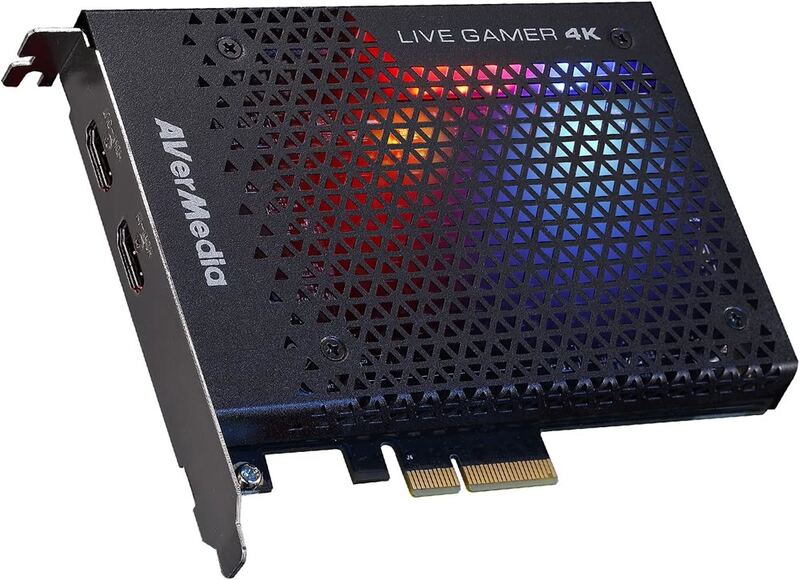
AVerMedia Live Gamer 4K (GC573)
#4
★ Premium Pick
Best for: Desktop PC streamers who prefer an internal card for 4K60 HDR capture and have a free PCIe slot.
AVerMedia Live Gamer 4K (GC573)
from 3 sources$159.99as of Jun 7

The AVerMedia Live Gamer 4K (GC573) is the internal-card pick, delivering 4K60 HDR10 capture and high-frame-rate 1440p144/1080p240 modes from a PCIe slot. Reviewers praise its low latency and superb footage, and it often undercuts Elgato's internal 4K60 Pro. The catch is a documented PCIe-bandwidth quirk that can cap capture near 55fps on some setups, so slot placement matters.

Strengths
  • 4K60 HDR10 capture and passthrough as an internal PCIe card
  • Supports high-frame-rate 1440p144 and 1080p240 capture
Watch-outs
  • PCIe x4 bandwidth quirk can cap capture near 55fps on some boards
  • Passthrough latency too high to game on the return signal
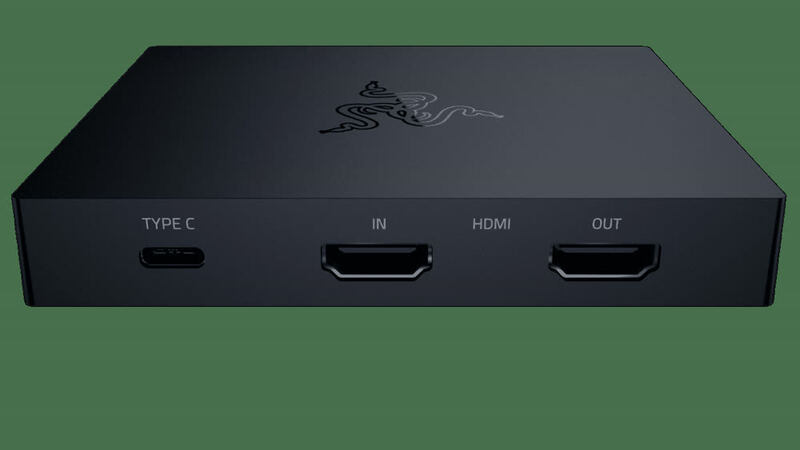
Razer Ripsaw HD
#5
Best for: Budget-minded beginners who want crisp 1080p60 capture with 4K passthrough and already use OBS.
Razer Ripsaw HD
from 3 sources$136.97as of Jun 7

The Razer Ripsaw HD is the budget entry point, capturing crisp 1080p60 with 4K60 passthrough at the lowest price of this group. TweakTown crowned it the king of entry-level capture cards, and reviewers love the plug-and-play simplicity. The big caveats are no first-party capture software and a 1080p capture ceiling, so it suits beginners more than 4K creators.

Strengths
  • Sharp, uncompressed-looking 1080p60 capture for the price
  • 4K60 HDMI passthrough so you keep playing in full resolution
Watch-outs
  • No dedicated capture software of its own
  • Capture limited to 1080p60 with no 4K recording

Spec comparison

5 products
SpecElgato 4K XAVerMedia Live Gamer Ultra S (GC553Pro)Elgato HD60 XAVerMedia Live Gamer 4K (GC573)Razer Ripsaw HD
Max Capture4K144 (2160p144) HDR104K60 HDR (1440p144 / 1080p240)1080p60 (or 4K30) HDR104K60 HDR10 (1440p144 / 1080p240)1080p60
Passthrough4K144 (4K120 on DSC displays), VRR4K60 HDR, 1440p144, 1080p240, VRR4K60 HDR10, 1440p120, VRR4K60 HDR10, 1440p144, 1080p2404K60
InterfaceUSB 3.2 Gen 2 (USB-C)USB 3.2 (USB-C)USB 3.0 (USB-C)PCIe x4 (internal)USB 3.0
HDMIHDMI 2.1 in / outHDMI 2.0HDMI 2.0HDMI 2.0 in / outHDMI in / out
HDRHDR10 capture (Windows) + passthroughHDR capture + passthroughPassthrough + 1080p60 HDR10 captureHDR10 capture + passthrough
CompatibilityPS5, Xbox Series X, Switch, PC, Mac, iPadPS5, Xbox Series X|S, Switch, PCDesktop PC (PCIe slot required)PC, PS5/PS4, Xbox, Switch
Form FactorExternalExternalExternalInternal add-in cardExternal
Audio5.1 surround captureAux mic / audio mix-in

Frequently asked questions

What is the best capture cards for streaming?
Elgato 4K X is our top pick for capture cards for streaming, with an averaged rating of 4.6/5 from 3 published reviews. The Elgato 4K X is the most capable external capture card you can buy right now, pushing all the way to 4K144 capture with HDR10 and HDMI 2.1 passthrough. Reviewers treat it as the gold standard for serious creators who want headroom beyond 4K60. It costs more than the competition and demands a fast PC, but nothing else in the external class matches its ceiling.
Is there a cheaper alternative worth considering?
Razer Ripsaw HD (around $136.97) rates 4.2/5 in our analysis. The Razer Ripsaw HD is the budget entry point, capturing crisp 1080p60 with 4K60 passthrough at the lowest price of this group. TweakTown crowned it the king of entry-level capture cards, and reviewers love the plug-and-play simplicity. The big caveats are no first-party capture software and a 1080p capture ceiling, so it suits beginners more than 4K creators.
How does Verdict rank these products?
Every rating on Verdict is the numerical average of scores published by independent review sites, YouTube reviewers, and Reddit buyer reports. No editor adjusts the order — the ranking is whatever the source data produces. See our methodology page for the full process.
When was this guide last updated?
This guide was last re-checked in May 2026. We re-run our research pipeline for each category on a rolling basis so prices and rankings reflect current market reality.

Related guides

Browse all →