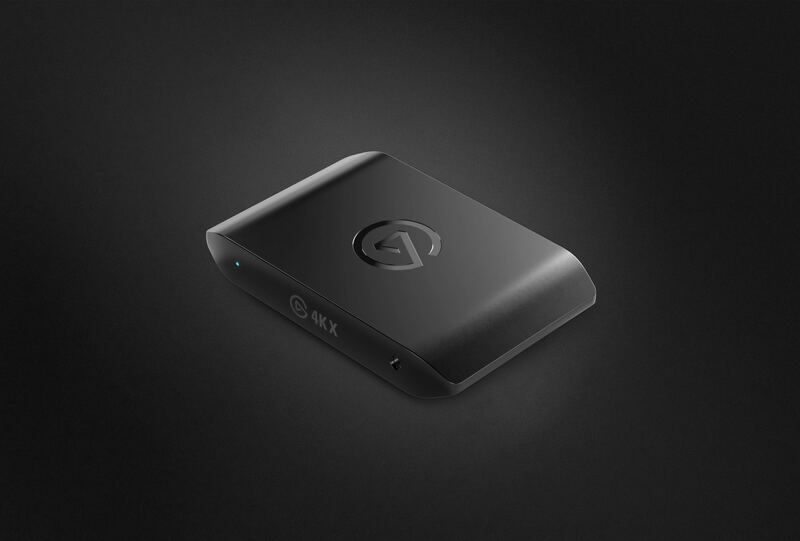
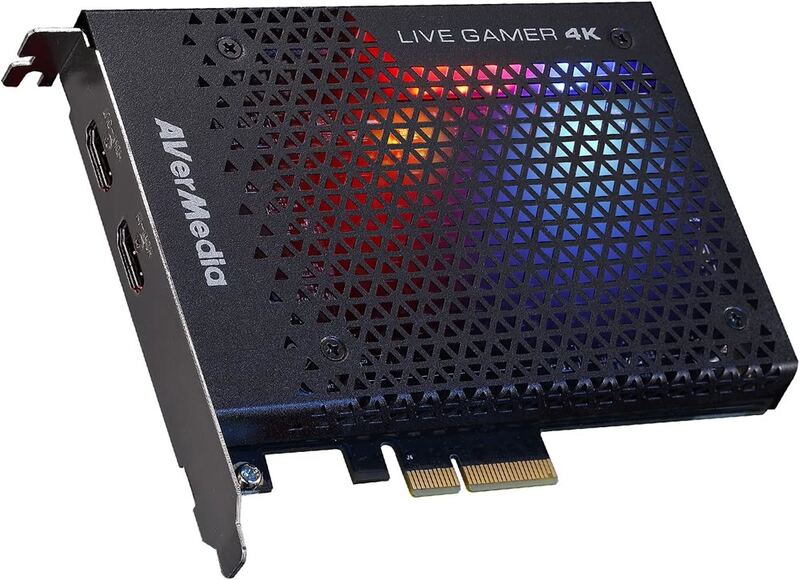
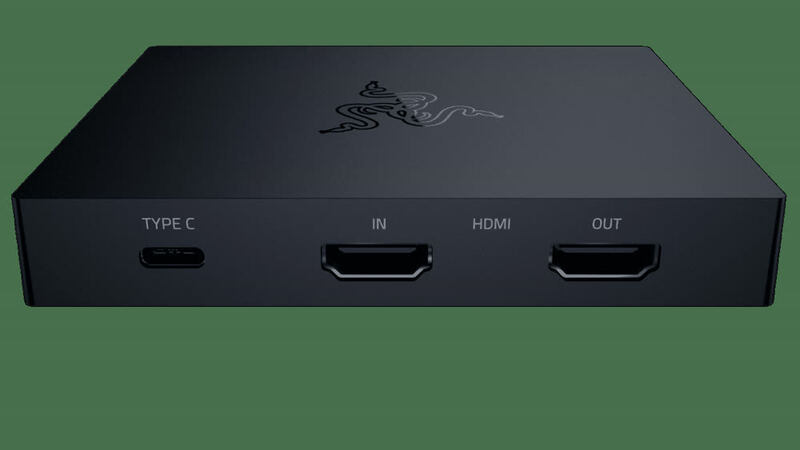
The AVerMedia Live Gamer Ultra S (GC553Pro) is the value champion of the category, delivering 4K60 HDR capture with VRR plus 1440p144 and 1080p240 high-frame-rate modes at well under half the cost of the top Elgato. Reviewers found its 4K60 footage from a PS5 nearly indistinguishable from the pricier Elgato 4K X. The only real ceiling is the lack of HDMI 2.1, which most streamers will never miss.
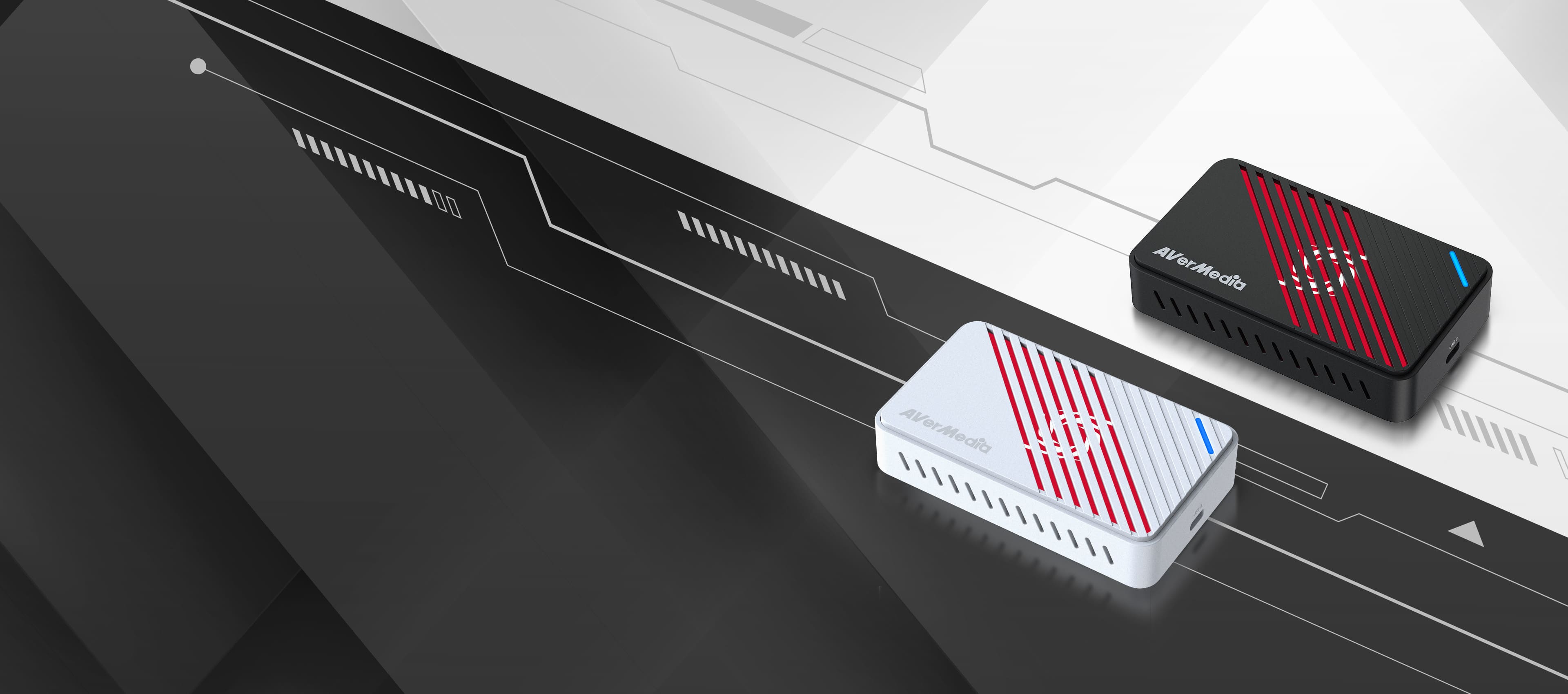
Full review
Scored 9/10 at under $150
GameRevolution scored it 9/10 at $149.99, calling it strong value for anyone upgrading their capture setup, with welcome improvements over its predecessor that especially benefit modern console users. PC Gamer went further, describing it as possibly the most affordable and reliable piece of kit for recording high-quality content — a stunner that undercuts the Elgato 4K X.
In side-by-side testing, reviewers found 4K60 HDR footage from a PS5 looked nearly identical to the much pricier Elgato 4K X. The card captures low-latency 4K60 and also handles 1440p144 and 1080p240 high-frame-rate modes, covering competitive PC players who care more about frame rate than raw resolution.
Capture Quality and HDR
The GC553Pro supports 4K60 HDR capture and passthrough, plus 1440p144 HDR and 1080p240 HDR. It also passes through VRR, which keeps gameplay smooth on a connected display while you record. Reviewers repeatedly noted that the practical gap between this card's 4K60 output and the Elgato 4K X's 4K60 output is essentially invisible — the Elgato only pulls ahead when you exceed 4K60.
Tech4Gamers summed up the experience as smooth, sharp and surprisingly affordable, praising how clean the 4K60 capture looked from console sources. The card also captures 5.1 surround sound alongside video, a detail that matters for creators recording cinematic console titles rather than just competitive shooters.
Plug-and-play setup, but rougher software
Setup is genuinely plug-and-play over USB-C. GameRevolution highlighted the simple installation as a strength, and reviewers across the board found it works immediately with OBS and the bundled AVerMedia software. There is no PCIe slot to wrestle with and no driver drama — you connect the source, the passthrough, and the USB cable, and you are recording.
The trade-off is that AVerMedia's bundled software is not as polished as Elgato's ecosystem suite. For streamers who live in OBS this is irrelevant, but beginners who want a one-app capture-and-edit flow will notice Elgato's tooling is the more refined experience.
Use Cases and Compatibility
The GC553Pro's mode flexibility makes it a genuine do-everything card for modern setups. Console creators get clean 4K60 HDR from a PS5 or Xbox Series X, while competitive PC players can drop to 1440p144 or 1080p240 to capture high-refresh gameplay without sacrificing smoothness — a range that covers both cinematic capture and esports recording from a single device.
Because it is external and USB-C, it moves easily between a desktop and a capture laptop and needs no internal slot, unlike the AVerMedia Live Gamer 4K (GC573). VRR passthrough keeps a connected gaming display tear-free while you record, and the 5.1 surround capture means console movie-night-style titles come through with their full soundstage. For most streamers, the only mode it cannot reach is 4K120 — everything else is on the menu.
Capped at 4K60, no HDMI 2.1
The headline limitation is the lack of HDMI 2.1. GameRevolution explicitly flagged no HDMI 2.1 support as the primary thing keeping the card from 4K120 capture. If you specifically need to capture above 4K60, this card cannot do it — that is the Elgato 4K X's territory. The GC553Pro tops out at 4K60 for capture, and that ceiling is the one real boundary on an otherwise excellent card.
Reviewers also noted that the VRR and HDR passthrough features depend on your source supporting them, and the bundled software lags Elgato's for newcomers. None of this dents the value proposition for the overwhelming majority of streamers, but buyers chasing the absolute spec ceiling should look one tier up.
Matches the 4K X for half the price
Against the Elgato 4K X, the GC553Pro is the smart-money pick: near-identical 4K60 footage for well under half the price, with the only sacrifice being capture above 4K60. Compared to the Elgato HD60 X, it captures at a far higher resolution (4K60 versus 1080p60) for a modest price step up, making it the better all-rounder for console creators.
Versus the internal AVerMedia Live Gamer 4K (GC573), the Ultra S stays external and avoids the PCIe-bandwidth quirk that can cap the GC573 near 55fps, while delivering comparable 4K60 HDR results without opening a PC case. For most buyers it is the most sensible balance of price and capability in the lineup.
Frees up budget for the rest of your setup
Value is the GC553Pro's entire thesis. At around $150 it costs well under half the Elgato 4K X while, as reviewers found, producing 4K60 HDR footage that looks nearly identical to the Elgato's 4K60 output from a PS5. GameRevolution's 9/10 verdict explicitly framed it as strong value, and PC Gamer called it possibly the most affordable and reliable piece of kit for recording high-quality content. The money you save versus the 4K X funds the rest of a streaming setup.
The only scenario where the value argument breaks down is if you specifically need 4K120 capture, which requires the HDMI 2.1 the GC553Pro lacks. For that narrow case the Elgato 4K X is the only option. For the overwhelming majority of console and PC streamers whose ceiling is 4K60, the GC553Pro delivers flagship-adjacent results at a midrange price, which is exactly why it ranks so high.
Covers 4K60 HDR and 1440p144 modes
The Live Gamer Ultra S is for streamers who want true 4K60 HDR capture from a PS5 or Xbox Series X but refuse to pay flagship money. If you live in OBS, record cinematic console titles, or play competitive PC games at 1440p144 or 1080p240, this card hits every mode you need at a price that leaves budget for the rest of your setup. The 5.1 surround capture is a bonus for anyone recording story-driven console games rather than just shooters.
It is not for the small group of creators who specifically need 4K120 capture — those buyers want the Elgato 4K X and its HDMI 2.1. Beginners who want a single polished capture-and-edit app may also prefer the Elgato HD60 X's software. For nearly everyone else, the GC553Pro is the value sweet spot that delivers flagship-adjacent quality without the flagship invoice.
Strengths
- +4K60 capture and passthrough with HDR and VRR support
- +High-frame-rate modes: 1440p144 and 1080p240 capture
- +Costs far less than the Elgato 4K X for near-identical 4K60 footage
- +Simple, reliable plug-and-play USB-C setup
- +Captures 5.1 surround sound alongside video
Watch-outs
- −No HDMI 2.1, so no 4K120 capture
- −Tops out at 4K60 versus the 4K X's 4K144
- −Bundled software is less polished than Elgato's suite
- −VRR and HDR passthrough features depend on source compatibility
How it compares
The GC553Pro hits the 4K60 sweet spot for far less than the Elgato 4K X, which only matters if you capture above 4K60.
Rating sources
“At $149.99, the AVerMedia Live Gamer Ultra S offers strong value for those looking to upgrade.”
“Might be the most affordable and reliable piece of kit for recording high quality content.”
Our 4.5 score is the average of these published ratings. More about methodology.