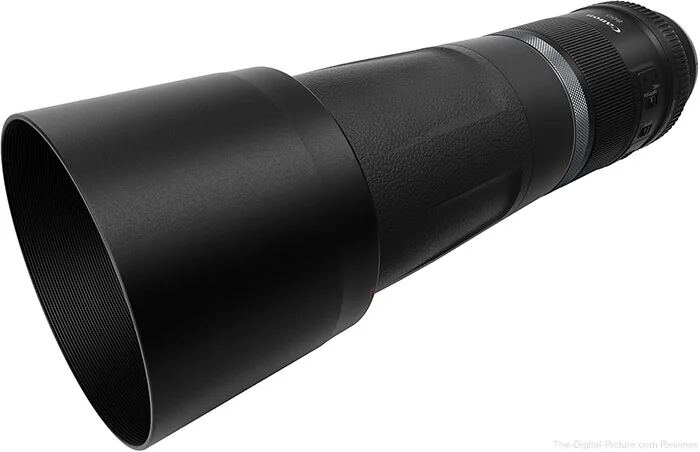
The Canon RF 100-400mm F5.6-8 IS USM punches dramatically above its price, delivering stunning sharpness across the range in a tiny 635g package for around $650. It is the lens that makes long-range telephoto reach accessible and genuinely portable. The compromises are inherent to the budget positioning: a slow variable aperture, a plastic unsealed build, and no included hood.
Full review
Sweet spot for sharpness sits around 200mm
The RF 100-400mm is the surprise value play of the RF telephoto lineup, and reviewers are consistently impressed by how good it is for the money. OpticalLimits, scoring it strongly for the price, confirmed the lens is capable of delivering pretty sharp results in the image center, with its sweet spot around 200mm where performance is even across the frame.
Admiring Light captured the practical experience, describing it as an absolute joy to have a full-frame long-range telephoto zoom that is this lightweight and compact.
What surprises reviewers most is how little the budget price shows in the image. OpticalLimits identified the sweet spot around 200mm, where the lens delivers even sharpness across the frame, and SLR Lounge went as far as calling the wide-open sharpness stunning throughout the entire zoom range. The lens won't deliver the shallow depth-of-field or low-light flexibility of a faster telephoto, but purely in terms of resolved detail in good light, it gives up remarkably little to lenses costing several times more.
635 grams, but no included lens hood
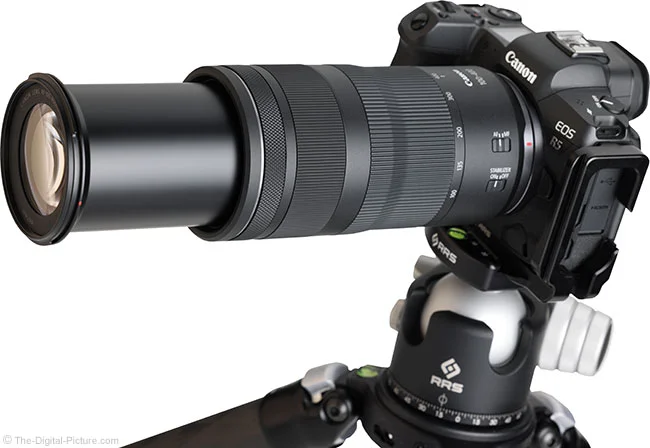
Size is the lens's defining trait. At 635g and only about 16.5cm long, it is small enough to drop into a typical shoulder bag, which is extraordinary for a lens reaching 400mm. OpticalLimits noted the plastic quality feels quite good, and that their sample did not exhibit any wobbling, so the budget construction does not feel flimsy in hand even if it is not built to L-series standards.
The compromises are where you would expect them at this price. The barrel is plastic with a plastic mount and no weather sealing, so it is not a lens for working in rain or dust. OpticalLimits also criticized Canon's omission of an included lens hood as a cost-cutting measure. None of this is surprising for a $650 telephoto, but buyers should know they are getting a consumer-grade build, not a sealed professional tool.
Autofocus and Stabilization
Autofocus relies on Canon's Nano USM, and OpticalLimits found the AF both snappy and silent. In good light the lens acquires focus quickly and tracks moving subjects well enough for casual sports and wildlife, taking advantage of Canon's subject-detection autofocus on modern bodies. It is not a professional sports lens, but for its intended audience the focusing is more than adequate.
The built-in image stabilizer is rated at 5.5 stops, matching the much more expensive telephotos in this group, and it helps minimize camera shake at the long end where the slow aperture forces slower shutter speeds. That stabilization is a key reason the lens is so usable handheld despite its budget positioning, letting beginners get sharp shots at 400mm that would otherwise require a tripod.
It is worth appreciating how unusual it is to get 5.5-stop stabilization at this price. That figure matches what the RF 100-500mm L and RF 200-800mm offer, meaning the budget 100-400mm gives up nothing on stabilization to lenses costing several times more. For a newcomer learning to shoot at long focal lengths, where camera shake is the most common cause of soft images, that generous stabilization flattens the learning curve and makes the lens more forgiving than its price would suggest.
Bubble-like bokeh from the budget optical design
The slow variable f/5.6-8 aperture is the main limitation. It restricts depth-of-field control, so achieving strong background blur is harder than with a faster lens, and it forces higher ISO in anything but bright conditions. OpticalLimits also noted a bubble-like bokeh character that may not appeal to everyone, a consequence of the optical design at this price point.
The unsealed plastic build is the other caveat, ruling the lens out for harsh-weather work, and the missing lens hood is a petty but real omission that adds to the cost. These are the trade-offs of a budget telephoto, and they define the lens as a daylight, fair-weather tool rather than an all-conditions professional one.
What is striking is how minor these compromises feel relative to the savings. A photographer stepping down from the $2,900 RF 100-500mm L to this $650 lens gives up weather sealing, the last 100mm of reach, a faster aperture and a metal build, but keeps the stabilization, the snappy autofocus and most of the sharpness. For a beginner or a fair-weather shooter, that is an easy trade, and it is precisely why the 100-400mm has become the lens that introduces so many photographers to telephoto work.
A quarter the price of the RF 100-500mm L
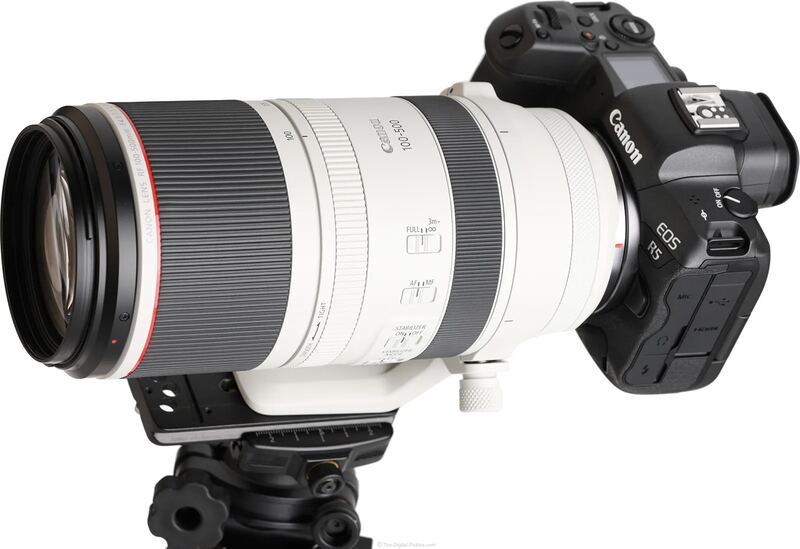
Within this group the 100-400mm is the affordable, lightweight entry point. It costs roughly a quarter of the Canon RF 100-500mm F4.5-7.1 L IS USM and weighs less than half as much, but it gives up that lens's L-series build, weather sealing, autofocus refinement and final 100mm of reach. For a beginner, those trade-offs are usually acceptable; for a professional, they are not.
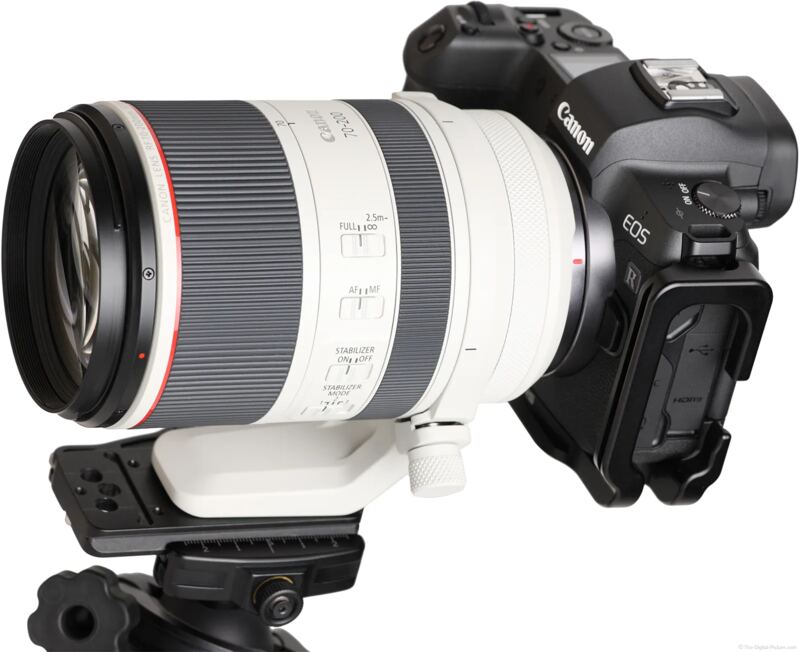
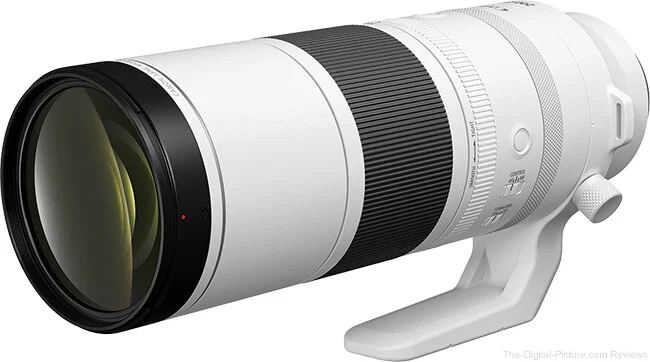
It is slower and less robust than the constant-f/2.8 Canon RF 70-200mm F2.8 L IS USM and reaches less far than the Canon RF 200-800mm F6.3-9 IS USM, but it is far cheaper and lighter than either. The decision is about budget and intent: if you want long reach without spending much or carrying much, the 100-400mm is the obvious pick, with the understanding that you are trading some performance and durability for the savings.
650 dollars for surprisingly sharp results
Value is the entire point of the RF 100-400mm, and on that measure it is exceptional. As OpticalLimits scored it, the optical quality is good and the price/performance is outstanding, making it one of the best-value telephoto zooms Canon offers. For around $650 a photographer gets genuinely sharp results across a 100-400mm range in a package light enough to carry all day, which is a remarkable amount of capability for the money.
The lens effectively lowers the barrier to telephoto photography. A beginner who could never justify the $2,900 RF 100-500mm L can get most of the reach and surprisingly close image quality for a quarter of the cost, then upgrade later if their needs grow. That accessibility, combined with the stunning sharpness reviewers consistently praise, is why the 100-400mm earns its place despite its budget compromises.
An entry point for beginners into telephoto work
This lens is ideal for beginners and budget-minded enthusiasts who want to explore wildlife, sports or travel photography with a real telephoto reach without a major investment. Its light weight makes it approachable and easy to carry, and the strong stabilization and sharpness mean results that belie the price.
It is a weaker choice for anyone who shoots in low light or harsh weather, where the slow aperture and unsealed build are real liabilities, or for professionals who need L-series reliability. For those buyers the RF 100-500mm L or RF 70-200mm F2.8 make more sense. But as an affordable, lightweight, genuinely sharp long zoom, the RF 100-400mm is one of the easiest budget recommendations in the RF system. For many photographers it is the lens that proves they enjoy telephoto work before they commit to something far more expensive, and for plenty of them it turns out to be all the reach they ever need.
Strengths
- +Remarkably light and compact at 635g and only about 16.5cm long
- +Excellent value at around $650, a fraction of the pricier RF telephotos
- +Snappy, silent Nano USM autofocus
- +Built-in image stabilization rated at 5.5 stops
Watch-outs
- −Slow variable f/5.6-8 aperture restricts depth-of-field control and low-light use
- −Plastic barrel with a plastic mount and no weather sealing
- −No lens hood included, an obvious cost-cutting omission
- −Bubble-like bokeh character that may not appeal to everyone
How it compares
It is the budget entry point of this group, costing roughly a quarter of the Canon RF 100-500mm F4.5-7.1 L IS USM while weighing less than half as much, but it gives up that lens's L-series build, weather sealing and last 100mm of reach. It is slower and less robust than the Canon RF 70-200mm F2.8 L IS USM and Canon RF 200-800mm F6.3-9 IS USM, but far cheaper and lighter than either.
Rating sources
“The center of attention is usually near the image center, and the Canon lens is capable of delivering pretty sharp results here.”
“After using this lens for a while, it has been an absolute joy to have a full-frame long range telephoto zoom lens that is this lightweight and compact.”
“The image quality with the Canon RF 100-400mm f/5.6-8 IS USM is excellent.”
Our 3.9 score is the average of these published ratings. Ratings marked * were derived from the reviewer’s written analysis or video transcript — the publisher didn’t print an explicit numeric score, so we inferred one from their own words. Click through to verify. More about methodology.