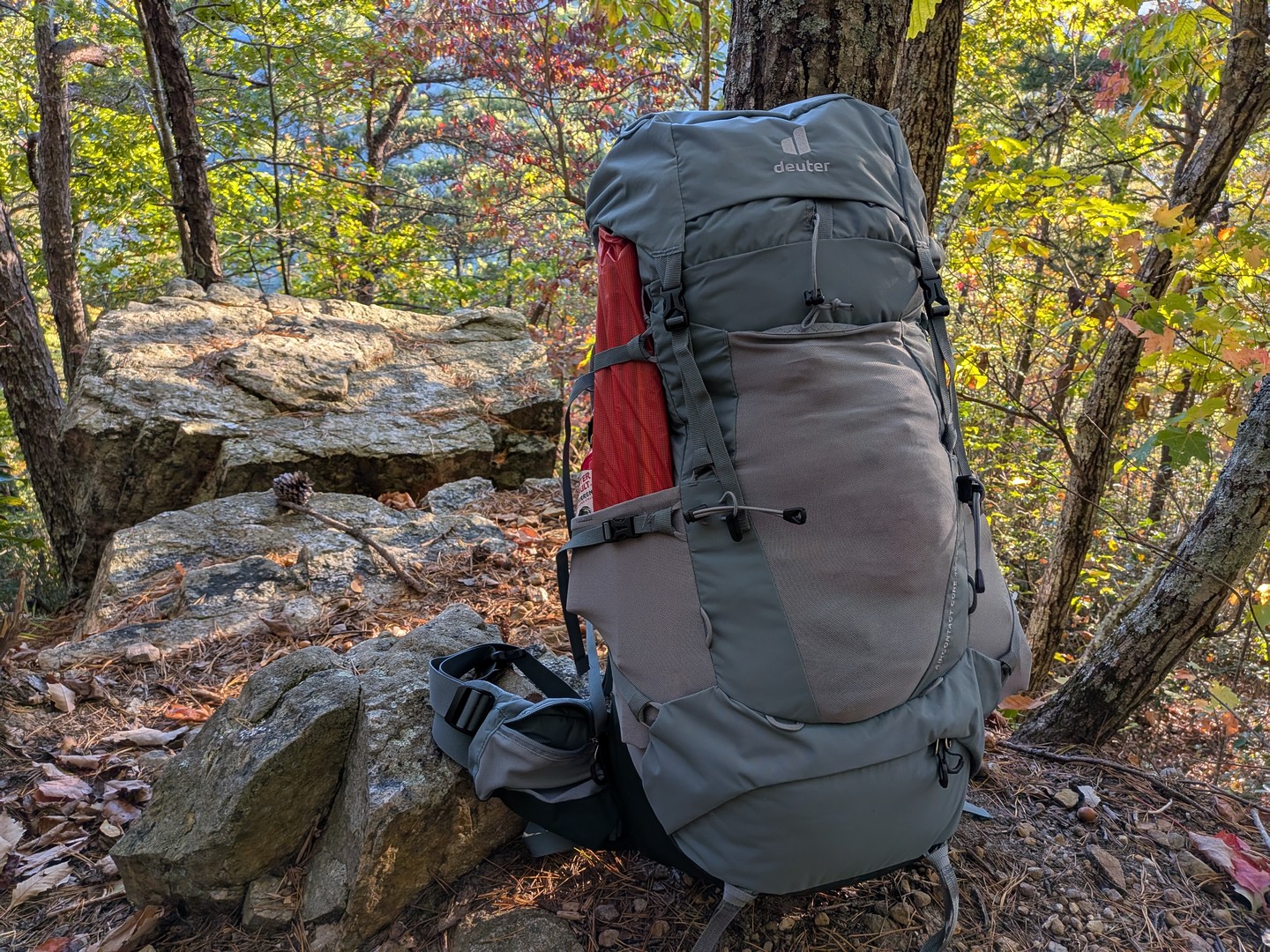
The Deuter Aircontact Core 50+10 is the gear-hauler and durability champion. Its 50 liters plus a 10-liter expansion and 44-pound load rating make it the pack to grab when you need to carry a lot of gear comfortably, and reviewers consistently praise its bombproof build, thick materials, pristine stitching, and no weak spots. The Aircontact back system carries heavy loads stably with a spine air channel for some breathability. It is heavy and bulky, but for expedition-style and long multi-day trips it is hard to beat.
Full review
Gear-Hauling Capacity
The Aircontact Core 50+10's defining strength is how much it carries and how comfortably it does so. The base 50 liters plus a 10-liter expansion that sits under the lid gives it the most usable volume in this lineup, and its 44-pound max load means it can shoulder the heavy kits that longer trips and shoulder-season conditions demand. When you need to pack a lot, this is the pack that swallows it without complaint.
Crucially, that capacity is matched by load support. The Aircontact back system is built to carry heavy weight stably, transferring it to the hips so the load stays controlled rather than swaying. TreeLineBackpacker positioned it as one backpack for both short and long adventures, and that versatility, the ability to run light on a weekend yet haul a full expedition load when needed, is a big part of its appeal.
The 10-liter expansion is more useful than it sounds. On a tightly packed start to a long trip, or when you add bulky cold-weather layers, the extra collar volume gives you somewhere to put it without lashing gear messily to the outside. When you do not need it, the collar cinches down and the pack carries like a tidy, well-proportioned 50L with no wasted bulk. That built-in flexibility means one Deuter can comfortably span trips that would otherwise call for two differently sized packs.
Durability and Build Quality
Durability is where the Deuter truly separates itself. That is the kind of build that survives years of hard, heavy use, which matters when you are entrusting a pack with expedition loads in remote places.
The trade for that toughness is weight: the thick fabrics and robust construction make it one of the heaviest packs here. But for a backpacker who values a pack that will not blow a seam or wear through under a 40-pound load on day twelve of a trip, that durability is the entire point, and it is cheaper in the long run than replacing a flimsier pack.
Deuter has a decades-long reputation for building packs that last, and the Aircontact Core upholds it. The materials feel substantial in hand, the load-bearing seams are reinforced, and the hardware is rated for the heavy loads the pack is designed to carry. For expedition use in remote places, where a gear failure is not just inconvenient but potentially serious, that confidence in the build is worth a great deal, arguably more than the weight penalty it costs.
Organization and the Aircontact Back
Organization is a Deuter hallmark, and the Core 50+10 is excellent here. TreeLineBackpacker found the organization fantastic, highlighting the dedicated sleeping bag or tent compartment on the bottom, accessible via an external zipper, plus convenient spots for light layers in a stretchy back pouch, water in the side pockets, and essentials in the lid. On a long trip, that structure keeps a big load manageable and saves you from unpacking the whole bag to find one item.
The Aircontact back system pairs padding with a deep, Y-shaped air channel that follows the spine for some ventilation, plus an easy torso adjustment to fit the harness to your back. It is not as airy as a fully suspended mesh panel, but it strikes a sensible balance between load support and breathability, prioritizing the stable carry that heavy loads require.
That priority is the right call for the pack's mission. A fully suspended mesh panel ventilates better but holds the load further from your back, which undermines stability under heavy weight, exactly when stability matters most. By keeping the load closer to your body and channeling airflow down the spine instead, the Aircontact system delivers the controlled, sway-free carry that a 40-pound expedition load demands while still letting some heat escape. It is a deliberate engineering choice rather than a compromise, tuned for hauling rather than hot-weather speed.
Bulkier than the true 50-liter packs here
The Aircontact Core's strengths come with obvious costs. It is heavy, the rugged materials and large capacity add real weight, making it the wrong choice for anyone chasing a light base weight. It is also bulky and larger than the true 50L packs here, which is more pack than a quick overnight or weekend trip needs.
Ventilation, while decent thanks to the spine air channel, does not match the airflow of Osprey's suspended-mesh designs, so it can feel warmer against your back in hot weather. And for ultralight or fast-and-light hikers, the whole package is simply overkill. These are not flaws so much as the natural trade-offs of a rugged, high-capacity load-hauler, but they define who should and should not buy it.
The bulk is worth flagging on its own. Even when you are not using the full capacity, the Aircontact Core is a physically large pack, which can be cumbersome on tight trails, in small tents, or when stowing it in a vehicle or hostel. A weekend hiker carrying a modest load will feel like they are using a fraction of the pack, lugging size and weight they do not need. The Deuter is at its best when it is doing the heavy, gear-intensive work it was designed for, and noticeably out of place on light, fast trips.
Likely still in service a decade from now
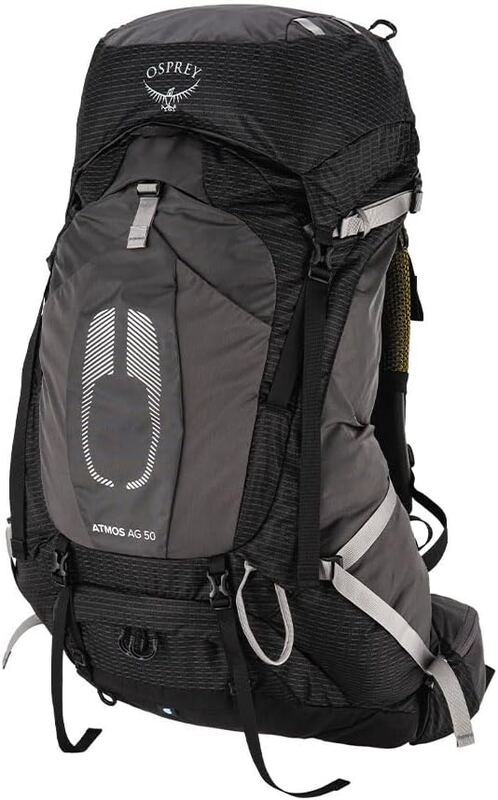
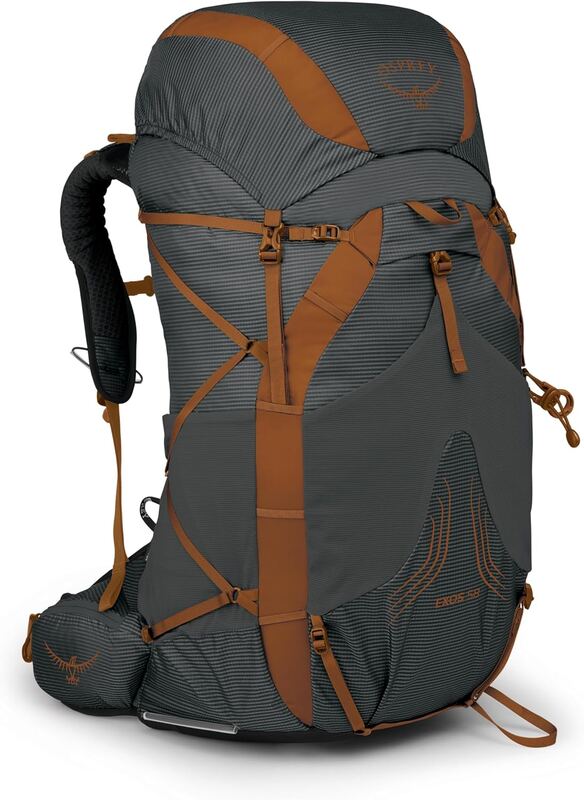
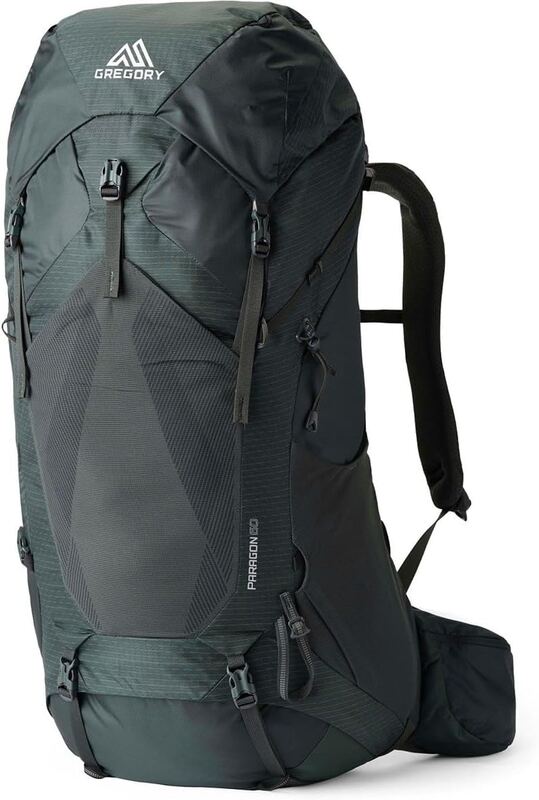
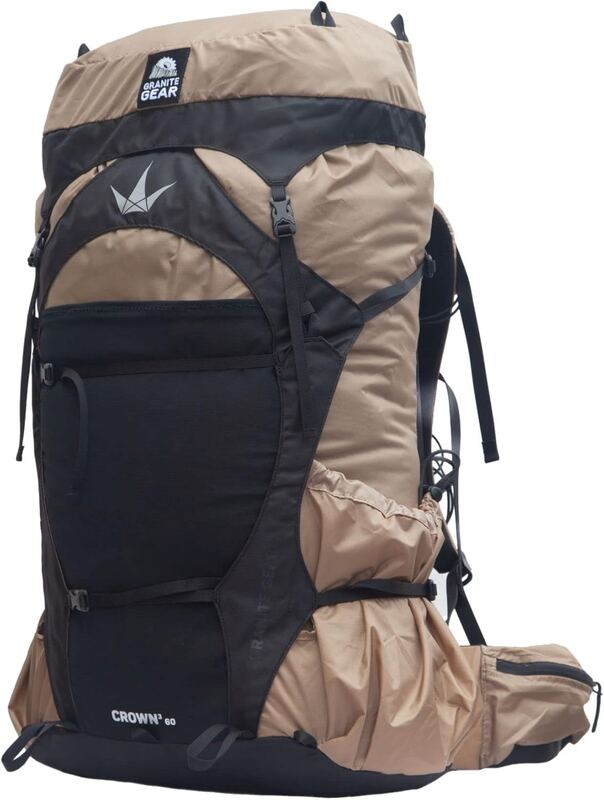
The Aircontact Core 50+10 is the gear-hauler of this list, and it out-carries everything else here. It holds more and is built tougher than the Osprey Atmos AG 50 and Gregory Paragon 60, both of which are more comfortable to ventilate but not designed to haul as much. Against the lightweight Osprey Exos 58 and Granite Gear Crown3 60, it is in a completely different category, those packs prioritize shedding weight, while the Deuter prioritizes carrying it.
The decision is about your trips. If you take long, gear-heavy, or expedition-style outings and value durability and capacity over weight, the Deuter is the standout. If your trips are lighter and shorter, one of the other four packs will serve you better and save your back the extra pounds.
It is also the pack most likely to still be in service a decade from now. The lightweight packs on this list make sense for hikers who prioritize weight and accept that thin fabrics wear faster, but the Deuter is built to be the buy-it-once option for someone who carries heavy and hard. For guides, expedition trekkers, and anyone who would rather not think about whether their pack can take the load, that rugged dependability is the whole point, and nothing else here matches it.
Built for expedition-style, gear-heavy trips
Choose the Deuter Aircontact Core 50+10 if you take long or expedition-style trips, carry heavy or bulky loads, and want a rugged, superbly organized pack that will last for years of hard use. It is the pack for the backpacker who would rather have too much capacity and durability than too little.
Look elsewhere if you prioritize comfort and ventilation on moderate loads (the Osprey Atmos AG 50 or Gregory Paragon 60), or if low weight is your goal for lighter, faster trips (the Osprey Exos 58 or Granite Gear Crown3 60). For heavy-hauling missions, though, the Aircontact Core 50+10 is the most capable pack on this list.
Strengths
- +Outstanding gear-hauling capacity, 50L plus a 10L expansion under the lid
- +High 44 lb max load with comfortable, stable carry on heavy multi-day trips
- +Excellent organization including a zippered sleeping-bag compartment and easy-access pockets
- +Aircontact back system with a deep spine air channel and easy torso adjustment
Watch-outs
- −Heavy, the rugged build and big capacity add real weight
- −Larger and bulkier than the 50L packs, more than weekend trips need
- −Back ventilation is good but not as airy as suspended-mesh designs
- −Overkill for ultralight or fast-and-light styles
How it compares
The gear-hauling, most-durable pack here, with more total capacity and a higher load focus than the Osprey Atmos AG 50, Gregory Paragon 60, Osprey Exos 58, or Granite Gear Crown3 60. It is also the bulkiest and among the heaviest, trading the agility of the Exos 58 and Crown3 60 for rugged load-carrying that out-hauls even the comfort-focused Atmos AG 50.
Rating sources
“Organization on the core is fantastic with a dedicated sleeping bag (or tent) compartment on the bottom, accessible via an external zipper.”
Our 4.5 score is the average of these published ratings. Ratings marked * were derived from the reviewer’s written analysis or video transcript — the publisher didn’t print an explicit numeric score, so we inferred one from their own words. Click through to verify. More about methodology.