The Osprey Exos 58 is the lightweight crossover pick, a longtime favorite that bridges ultralight and traditional backpacking. At roughly 2 lb 13 oz it is light for a framed pack, yet it keeps a ventilated suspended mesh back panel and an adjustable torso, making it a popular choice for thru-hikers and weekend warriors easing into lighter loads. Its 35 lb ceiling and modest feature set are the trade-offs, but for hikers carrying lighter kits who still want a real frame and ventilation, it is excellent.

Full review
Lightweight Crossover Design
The Exos 58 occupies a valuable middle ground: at roughly 2 pounds 13 ounces it is genuinely light for a framed pack, yet it keeps the ventilated suspension and adjustability of a traditional pack. CleverHiker describes it as one of the most popular backpacks on any trail, appealing both to traditionalists and to backpackers interested in lightening their pack weight, which makes it a good option for thru-hikers and weekend warriors alike.
OutdoorGearLab, which rates it 4.1 out of 5, praised its surprisingly supportive frame for the weight. That is exactly its niche: it lets a hiker shed pounds and try a lighter style while keeping the familiar comfort of a real frame and suspended back panel, rather than jumping straight to a frameless ultralight pack.
Ventilation and Comfort
The Exos uses Osprey's AirSpeed suspended trampoline-style mesh back panel, which keeps the pack body off your back for airflow. CleverHiker found the suspended mesh panel does a great job hugging the body and keeping things comfortable, and SectionHiker notes the ventilated, suspended mesh back panel keeps you cooler and drier in warm weather, a recurring reason the pack is so beloved by hot-climate and summer thru-hikers.
The updated version added an adjustable torso, letting you tune the harness to your back length for a more precise fit. For loads in its comfort range, it carries well and breathes beautifully.
The ventilation advantage is most obvious in exactly the conditions where most thru-hiking happens: long, hot summer days. A pack pressed flat against your back traps heat and leaves a soaked sweat patch, while the Exos's trampoline panel lets air move across your spine, keeping you measurably cooler and drier. For desert sections, southern thru-hikes, and humid summer trips, that airflow is not a luxury but a real comfort and even a safety benefit, and it is the single feature owners praise most.
Load Range and Capacity
The Exos 58 is rated for loads up to about 35 pounds, and that ceiling is the key to using it well. Within that range, the lightweight peripheral frame transfers weight effectively and the pack feels stable and comfortable. The 58-liter volume is generous enough for multi-day trips, and at the high end of the ultralight spectrum it can carry a week's worth of lightweight gear. The generous capacity paired with the modest load rating is a deliberate match: it gives you room to pack a full week of lightweight supplies without the temptation to exceed the frame's comfortable limit.
Push past 35 pounds, though, and the lightweight frame begins to strain, with the comfort dropping off faster than it would on a heavier-duty pack like the Atmos or Paragon. The Exos rewards a disciplined, lighter kit; load it like a traditional pack and you lose the very advantage that makes it special.
In practice this means the Exos pairs best with a thoughtfully chosen kit rather than a maximalist one. Hikers who carry a lightweight tent, a compressible quilt or bag, and reasonable food and water loads will stay comfortably within its sweet spot and enjoy the weight savings. Those who pack heavy traditional gear, a bulky tent, lots of camp comforts, will push the frame past its happy zone and would be better served by one of the more supportive packs. Matching the pack to your packing style is the key to loving the Exos.
35-pound load ceiling is its main limit
The modest 35-pound load ceiling is the Exos's main limitation, and it is a real one for hikers who carry heavy water, lots of food, or cold-weather gear. The suspended mesh design also holds the load slightly off your back, which CleverHiker notes makes the overall pack feel slightly heavier than if it were snug against your body, and can reduce stability on technical terrain.
CleverHiker flagged a more specific concern after extended testing: the frame extends close to the top of the glute muscle, and over repeated days of wearing the pack they noticed persistent pain begin to develop. Fit is individual, but it is worth trying on. The Exos also carries fewer organizational features than the heavier comfort packs, and the raincover is sold separately, minor cost-and-convenience trade-offs in service of low weight.
That glute-area contact point is worth taking seriously precisely because it only emerges over consecutive long days, the kind of mileage thru-hikers rack up. A pack that feels great in the store or on a weekend can become a problem on day ten, so anyone planning extended trips should load it up and walk before committing. Body shapes vary enough that many hikers never notice the issue, but it is the one recurring comfort complaint against an otherwise well-liked pack, and it is the reason the Exos lands third rather than higher.
One of the most popular packs on any trail
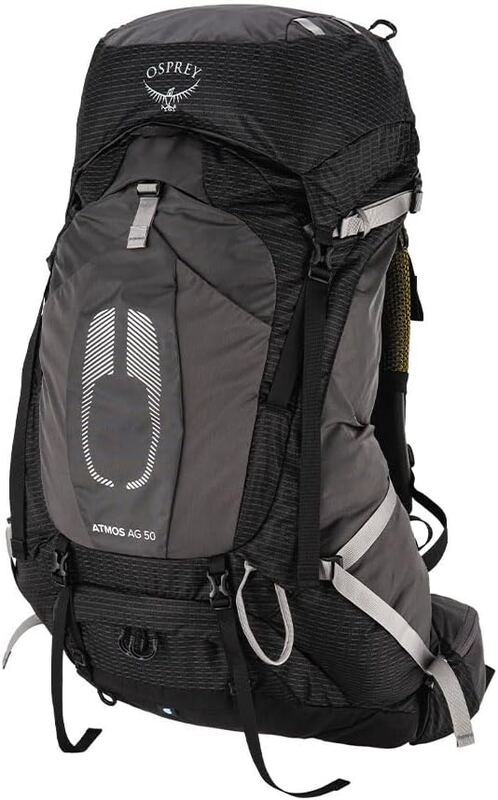
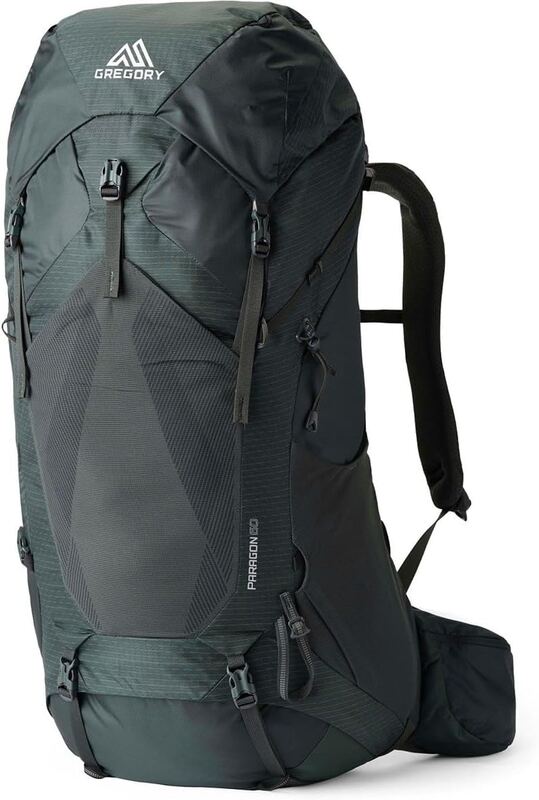
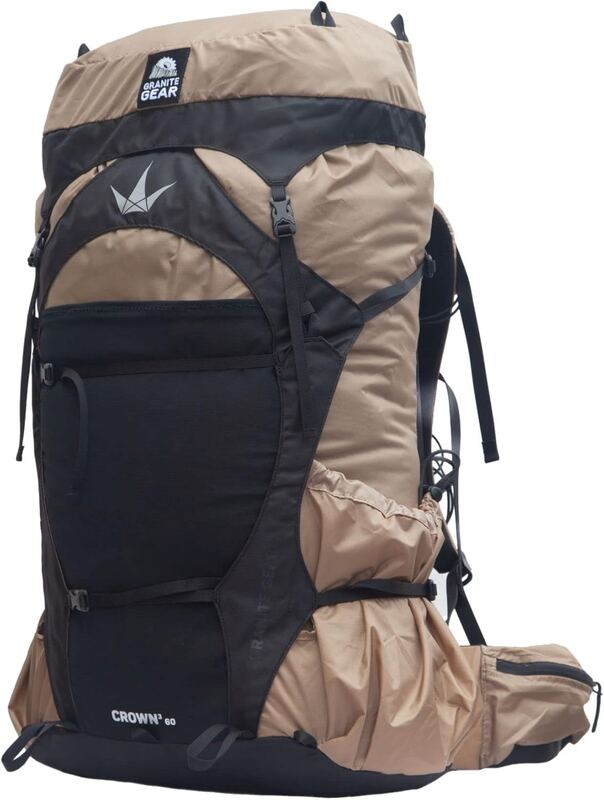
The Exos 58 sits between the comfort packs and the ultralight pack on this list. It is dramatically lighter than the Osprey Atmos AG 50 and Gregory Paragon 60, but it carries less weight comfortably and has fewer features, the price of its lightness. Against the ultralight Granite Gear Crown3 60 it offers a more substantial frame and better ventilation, though the Crown3 is even lighter and more modular.
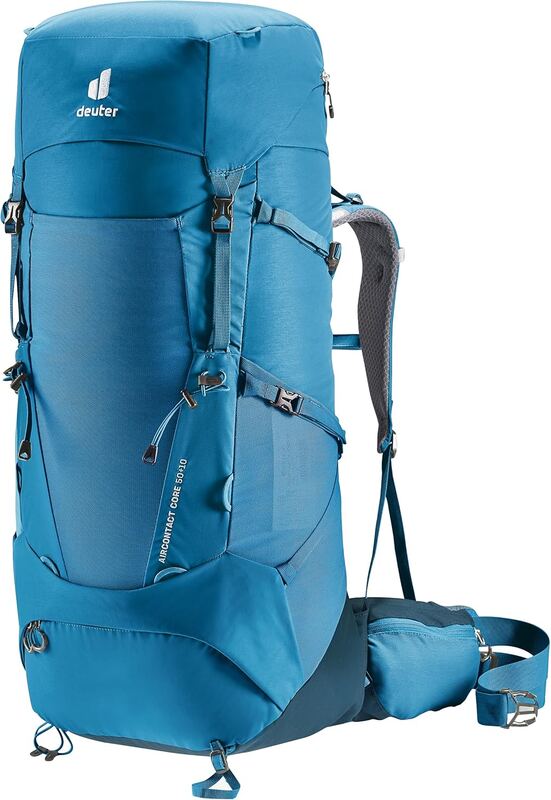
Compared with the gear-hauling Deuter Aircontact Core 50+10, the Exos is in a different universe of weight and load focus, the Deuter is built to carry far more, far heavier. The Exos is the pick for a hiker who has trimmed their kit and wants a ventilated, framed pack that does not weigh them down.
Its enduring popularity tells the story. The Exos has been a fixture on thru-hiking trails for years precisely because it lands in the spot where a huge number of backpackers actually live: lighter than a traditional pack, but with the frame, ventilation, and comfort that a fully frameless ultralight pack gives up. That sweet spot is why CleverHiker calls it one of the most popular backpacks on any trail, appealing to traditionalists and weight-trimmers alike.
A bridge for hikers new to going lightweight
Choose the Osprey Exos 58 if you carry lighter multi-day loads up to about 35 pounds and want a ventilated, framed pack that bridges traditional comfort and ultralight weight. It is an excellent first lightweight pack and a longtime thru-hiker favorite, especially for hot-weather trips where its airflow shines.
Look elsewhere if you regularly carry heavier loads (the Osprey Atmos AG 50 or Gregory Paragon 60), if you want the lowest possible weight with modular load options (the Granite Gear Crown3 60), or if you need maximum gear-hauling capacity (the Deuter Aircontact Core 50+10). And if you are sensitive at the lower back, try it on first, given the frame-contact note above.
The Exos's lasting appeal is that it lets hikers take a meaningful step toward lighter packing without abandoning the structure and ventilation they are used to. For someone curious about lightweight backpacking but not ready to commit to a frameless pack, it is the natural bridge, light enough to feel the benefit, supportive enough to feel familiar. That is a genuinely useful place for a pack to sit, and it explains why the Exos has remained a category staple through multiple redesigns.
Strengths
- +Light for a framed pack at around 2 lb 13 oz, bridging ultralight and traditional styles
- +Ventilated, suspended AirSpeed mesh back panel keeps you cool and dry in heat
- +Adjustable torso on the updated version dials in a precise fit
- +Hugely popular with thru-hikers as an easy entry into lightweight backpacking
- +Comfortable and capable for loads up to about 35 lb
Watch-outs
- −35 lb max load is modest; it strains under heavier carries
- −Suspended mesh holds the load slightly off your back, feeling a touch heavier
- −CleverHiker noted the frame can cause glute-area pain over consecutive long days
- −Fewer organizational features than heavier comfort packs
How it compares
The lightweight crossover between the comfort packs above and the ultralight Granite Gear Crown3 60. It is far lighter than the Osprey Atmos AG 50 and Gregory Paragon 60 but carries less weight comfortably, while offering more frame and ventilation than the frameless-leaning Crown3 60. It is much lighter than the gear-hauling Deuter Aircontact Core 50+10.
Rating sources
“The suspended mesh panel does a great job hugging the body and keeping things comfortable.”
“it has a ventilated, suspended mesh back panel that keeps you cooler and drier in warm weather”
Our 4.4 score is the average of these published ratings. Ratings marked * were derived from the reviewer’s written analysis or video transcript — the publisher didn’t print an explicit numeric score, so we inferred one from their own words. Click through to verify. More about methodology.