The Osprey Atmos AG 50 is the comfort king of the 50L class. Its Anti-Gravity suspension, an unbroken mesh backpanel that floats the load against your shoulders and hips, is repeatedly described by testers as the most comfortable backpack carry available, and it ventilates better than almost anything else. It is heavy by modern standards and built for comfort rather than speed, but for backpackers carrying typical 25-40 lb multi-day loads who prioritize how the pack feels, nothing else here competes.
Full review
The Anti-Gravity Suspension
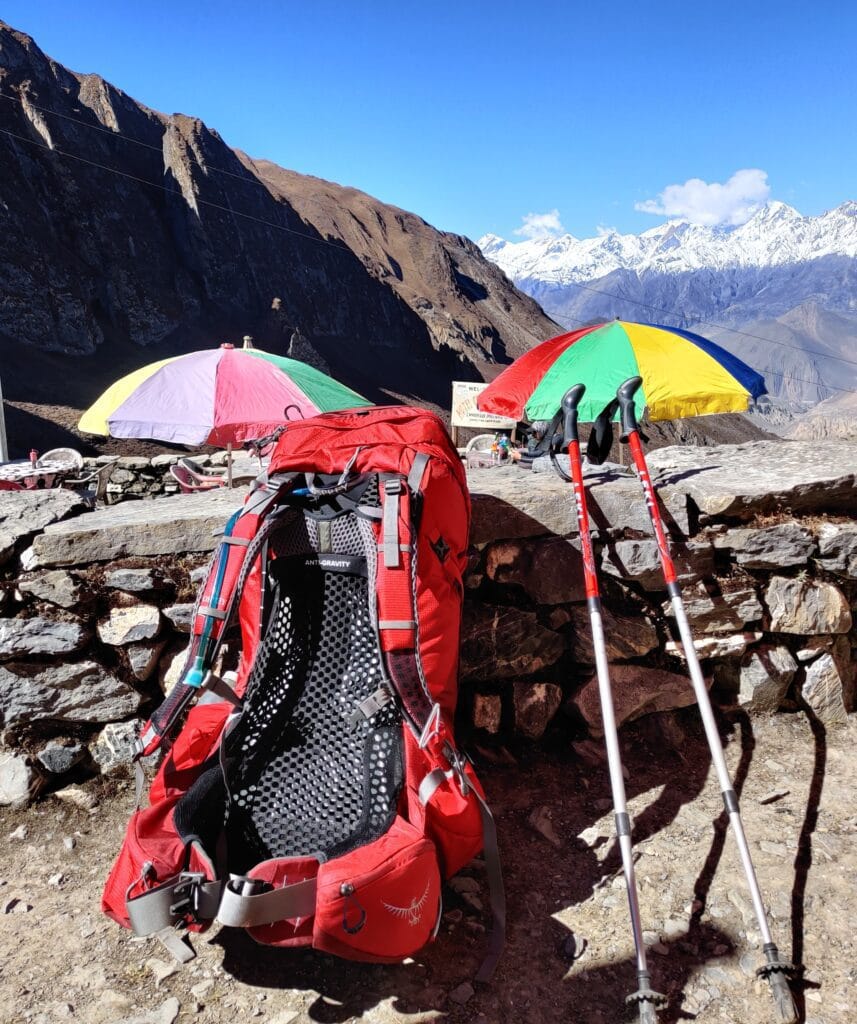
The Atmos AG 50's entire reputation rests on its Anti-Gravity suspension, and the reputation is earned. The system uses a seamless 3D-suspended mesh backpanel that wraps continuously from the shoulders down to the hips, creating what Osprey calls a floating suspension that cradles your back rather than pressing a rigid frame against it. SectionHiker put it bluntly, writing that the Atmos AG 50 might just be the most comfortable backpack you'll ever wear.
That comfort is not marketing fluff. The mesh distributes the load over a large surface area and transfers weight cleanly to the hips, so a 30-to-40-pound load sits stable and balanced. MountainsForEverybody found that the Anti-Gravity suspension lives up to the hype, delivering exceptional carry comfort that makes heavy loads feel lighter, and a Trailspace owner who rates it highly called it hands down the most comfortable, ergonomically correct framed backpack they had ever worn. Across reviewers, the comfort verdict is remarkably consistent.
What makes the system work is the way it eliminates the hard pressure points that cause fatigue on long days. Instead of a flat panel digging into your spine and shoulder blades, the tensioned mesh spreads contact evenly and lets the load ride close to your center of gravity while still leaving an air gap. The result is a pack that many testers describe with the same word, a hug, because it conforms to your body rather than fighting it. Over a multi-day trip, that difference compounds into noticeably less shoulder and back fatigue.
Ventilation and Fit
Because the mesh backpanel suspends the pack body slightly away from your spine, air flows freely across your back, a major advantage in hot, humid conditions where a pack pressed flat against your shirt leaves you soaked. For three-season hiking in warm climates, the Atmos AG 50 is one of the best-ventilated packs you can carry, and it is a big part of why it stays comfortable mile after mile.
Fit is highly customizable. The adjustable torso length lets you dial in the harness to your back, and the hip belt adjusts to lock the load onto your hips for proper weight transfer. Combined with well-padded shoulder straps and a supportive hip belt, the Atmos AG 50 fits a wide range of body shapes well, which is part of why it is such a frequent first recommendation for backpackers who want comfort above all.
Getting that fit right is worth a few minutes at setup. Because the Anti-Gravity system transfers so much load to the hips, taking the time to set the torso length correctly and cinch the hip belt onto the iliac crest, rather than the waist, is what unlocks the pack's famous comfort. Reviewers who report the best experiences invariably mention dialing in the fit first, and Osprey's adjustable harness makes that straightforward even for hikers between standard sizes.
Features and Organization
Osprey loads the Atmos AG 50 with the kind of features that make multi-day trips smoother. It includes an integrated raincover, zippered hipbelt pockets for snacks and a phone, dual front mesh and zippered pockets, sleeping bag compartment access, and Osprey's Stow-on-the-Go trekking pole attachment that lets you stash poles without taking the pack off.
The 50-liter volume is well-judged for two-to-five-day trips, large enough to swallow a tent, bag, pad, food, and layers, but not so cavernous that it tempts overpacking. The top-loading main compartment with a floating lid and front zip access strikes a sensible balance between security and convenience, and the overall build quality is the durable, refined standard Osprey is known for.
Osprey also backs the pack with its All Mighty Guarantee, which covers repairs for any reason for the life of the product, a meaningful safety net on a pack you intend to use for years. Combined with the brand's reputation for sturdy construction, the Atmos AG 50 is a pack you can buy expecting it to last through hundreds of trail miles, and to be fixed rather than tossed if something does eventually wear out. That long-term confidence is part of what justifies the premium price.
Weighs 4 pounds 12 ounces, heaviest in the lineup
The Atmos AG 50's comfort comes at the cost of weight. At roughly 4 pounds 12 ounces it is by far the heaviest pack in this roundup, nearly double the weight of the ultralight options, and that is a deliberate trade: the plush suspension, generous padding, and full feature set all add ounces. For a fast-and-light hiker counting base weight, that is a non-starter.
The suspended-mesh design has a subtler downside too. Because the load sits slightly off your back rather than snug against it, the pack's center of gravity is a touch further out, which can reduce agility and balance on technical, scrambly terrain compared with a body-hugging frameless pack. And at its premium price, you are paying for comfort engineering rather than minimalism. None of this matters for the comfort-focused backpacker it is built for, but it is why ultralight hikers look elsewhere.
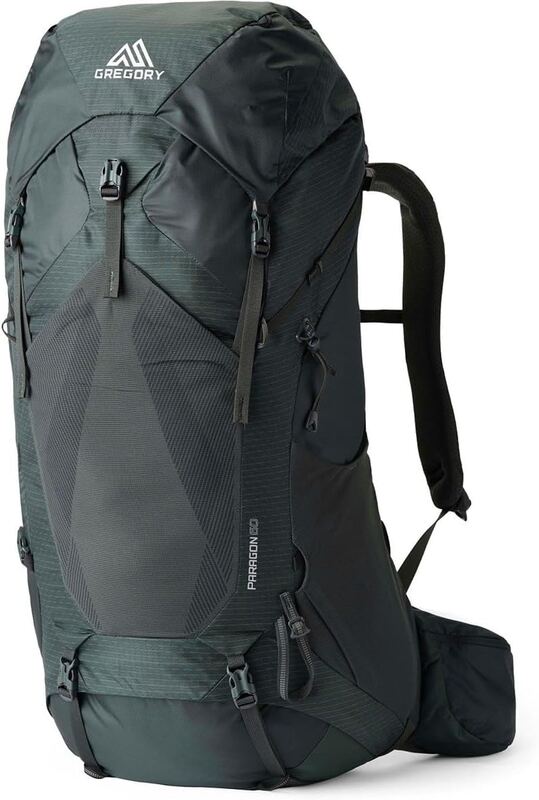
Ventilates better than the plush Gregory Paragon 60
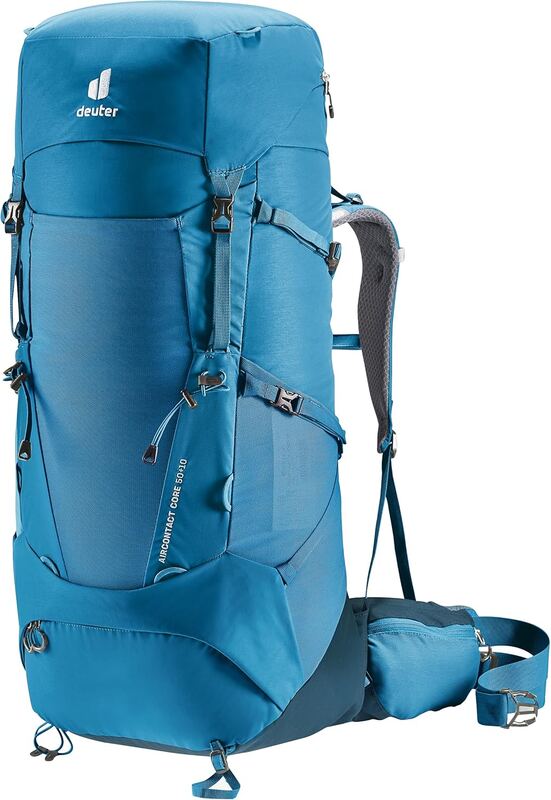
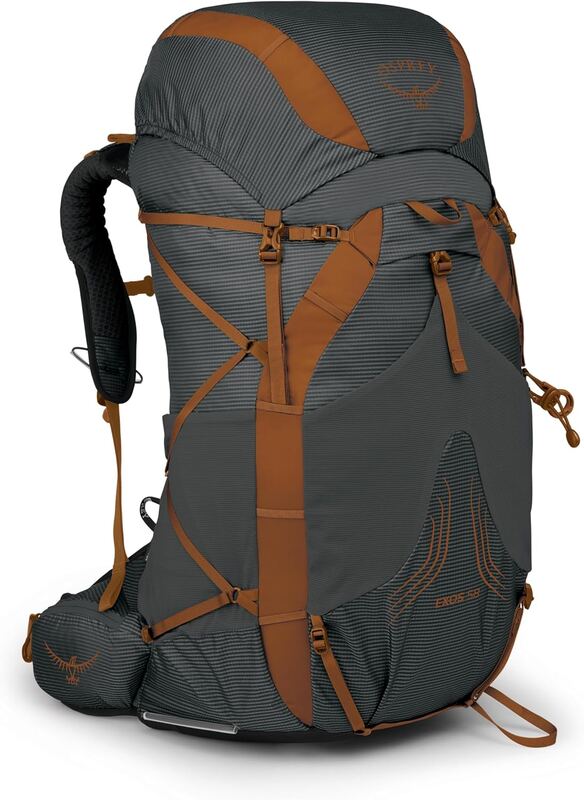
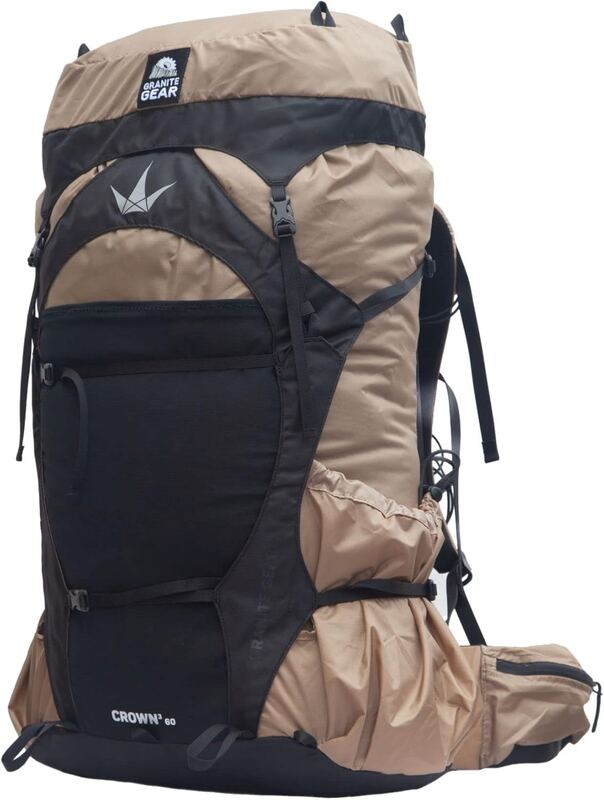
Within this lineup the Atmos AG 50 is the comfort-and-ventilation specialist. It carries heavy loads more comfortably than the lighter Osprey Exos 58 or Granite Gear Crown3 60, and it ventilates better than the plush Gregory Paragon 60, which is its closest comfort rival. The Deuter Aircontact Core 50+10 hauls more total gear and matches it for load support, but it is heavier still and does not breathe as well.
The decision usually comes down to weight tolerance. If you want the most comfortable, best-ventilated carry and are willing to shoulder a heavier pack to get it, the Atmos AG 50 is the clear choice. If shaving pounds matters more than maximum plushness, the lighter packs below make more sense. For the broad comfort-first audience, though, this is the pack to beat.
It is worth being honest about who the extra weight is actually for. A hiker who has dialed in a sub-20-pound base weight and wants to fly down the trail will resent every ounce of the Atmos. But a backpacker carrying a traditional kit, a real tent, a heavier bag, a few comforts, will find that the superior suspension more than offsets the pack's own weight by making the total load feel lighter on the body. For that majority, the math favors the Atmos.
Built for 25-to-40-pound loads over long miles
Choose the Osprey Atmos AG 50 if comfort and ventilation are your top priorities and you carry typical multi-day loads in the 25-to-40-pound range. It is ideal for backpackers who would rather enjoy a comfortable, well-ventilated carry than chase the lowest possible pack weight, and it fits a wide range of body shapes thanks to its adjustability.
Look elsewhere if minimizing base weight is your goal (the Osprey Exos 58 or Granite Gear Crown3 60), if you need to haul more gear or heavier loads on expedition-style trips (the Deuter Aircontact Core 50+10), or if you want similar comfort at a slightly lower weight and price (the Gregory Paragon 60). For the comfort-first majority, the Atmos AG 50 is the safe, proven pick.
If you have ever finished a long day with sore shoulders and a sweaty, aching back and thought there had to be a better way, the Atmos AG 50 is the pack built specifically for that complaint. It will not make you faster and it will not lighten your base weight, but it will make the miles more comfortable, and for a great many backpackers that is exactly the upgrade they are looking for.
Strengths
- +Anti-Gravity suspension is widely called the most comfortable carry in the category
- +Floating mesh backpanel wraps from shoulders to hips and ventilates exceptionally well
- +Adjustable torso and hip belt dial in a custom fit for most body shapes
- +Carries multi-day loads up to 40 lb with excellent weight transfer to the hips
- +Durable, feature-rich build with raincover, hipbelt pockets, and Stow-on-the-Go pole attachment
Watch-outs
- −Heavy for a 50L pack at around 4 lb 12 oz, far more than ultralight rivals
- −The suspended mesh holds the load slightly away from your back, reducing agility
- −Premium price, and the comfort focus adds weight a fast-and-light hiker won't want
- −Not the pack for anyone trying to minimize base weight
How it compares
The most comfortable carrier in this lineup, with better load transfer than the lighter Osprey Exos 58 or Granite Gear Crown3 60, but also the heaviest pack here. It rivals the Gregory Paragon 60 for plush comfort while ventilating better, and it out-carries the Exos 58 and Crown3 60 on heavy loads, though the Deuter Aircontact Core 50+10 holds more gear.
Rating sources
“The Osprey Packs Atmos AG 50 might just be the most comfortable backpack you'll ever wear.”
Our 4.7 score is the average of these published ratings. Ratings marked * were derived from the reviewer’s written analysis or video transcript — the publisher didn’t print an explicit numeric score, so we inferred one from their own words. Click through to verify. More about methodology.