TechRadar and Tom's Guide both call the DJI RS 4 Mini a significant upgrade in stabilization technology, with better motor precision and app integration. Its travel-friendly 1.2 kg weight helps, and it handles cameras up to 5 kg. The $299 price strikes some basic content creators as steep, particularly next to older models. Professional videographers who want the advanced features are the fit, while casual users should look at more budget-friendly alternatives.
Full review
Briefcase handle tricky to set up at first
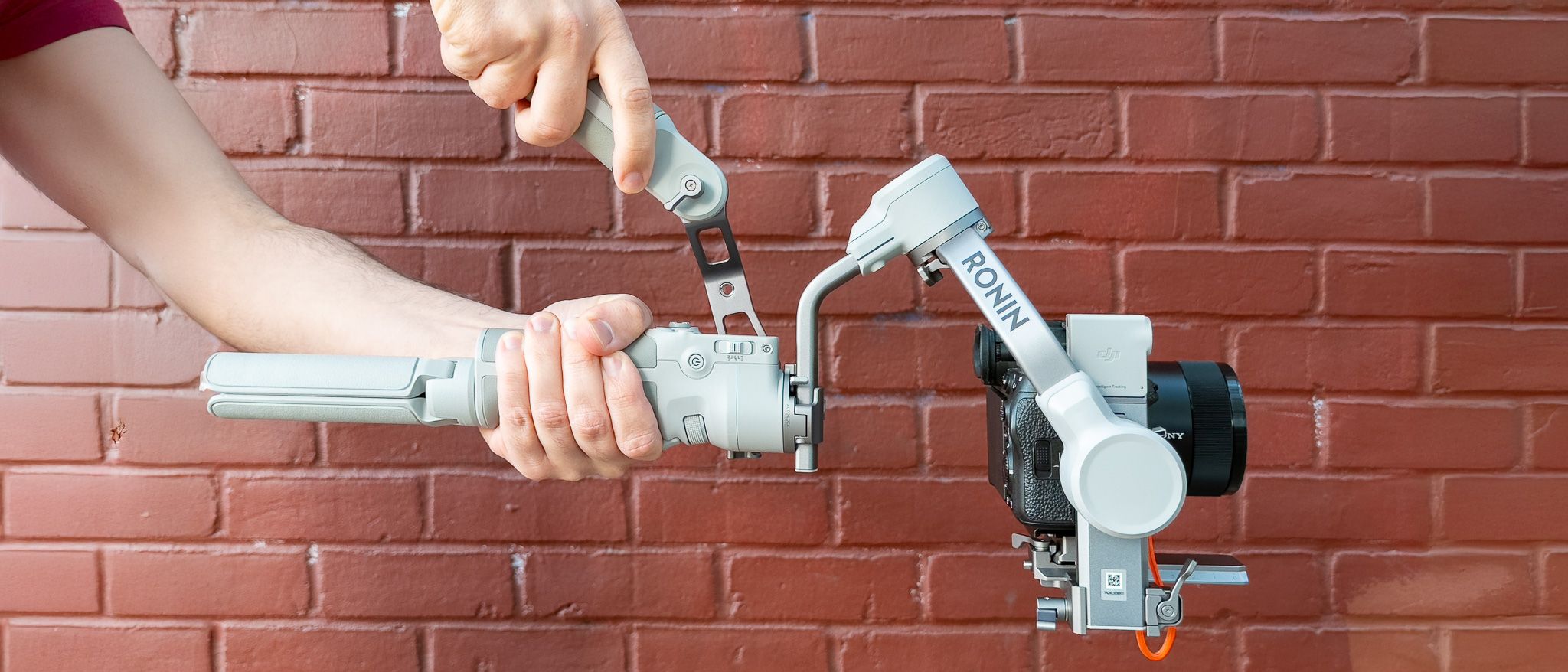
The DJI RS 4 Mini maintains the compact form factor that makes it ideal for travel, measuring just 175 x 182 x 338mm when unfolded and weighing 880g. Tom's Guide noted that the gimbal's build quality feels solid, with plastic construction reinforced by Teflon-coated metal components. The Arca Swiss plate system allows for secure camera mounting, and the inclusion of measurement ticks on each axis helps with precise balancing. Trusted Reviews emphasized that the gimbal's design draws heavily from the RS 4 and RS 4 Pro models, but with a more streamlined approach. The briefcase handle attachment, which is included, provides excellent support for shooting at waist-level or lower, though PCMag's Jim Fisher noted that the setup process can be tricky for new users. The touch screen interface is a 1.4-inch color LCD that provides access to all gimbal controls, including responsiveness adjustments and axis locking options.
Stabilization Performance
DJI's 4th generation stabilization algorithm delivers improved stability, particularly for vertical shooting scenarios. Photography Life's Jason Polak observed that the RS 4 Mini effectively handles handheld video stabilization, which is its primary purpose. However, PCMag's Jim Fisher noted that the gimbal's performance can be inconsistent when handling heavier camera setups, particularly when using larger lenses.
Intelligent Tracking Module
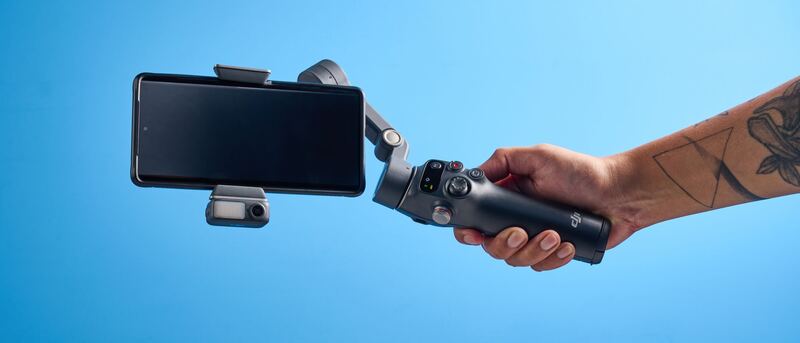
One of the most significant upgrades in the RS 4 Mini is the addition of the Intelligent Tracking Module, which brings AI-powered tracking to the gimbal. Trusted Reviews highlighted that this module allows for improved subject tracking, particularly for content creators who need to follow moving subjects without manual intervention. The module supports smartphone use, a first for the RS Mini series, although the integration is still somewhat limited compared to dedicated phone gimbals. Photography Life's Jason Polak noted that while the AI tracking is effective, it requires a certain level of setup and calibration to achieve optimal performance. The module does not support all camera models, and some users have reported that the tracking accuracy can vary depending on lighting conditions or subject complexity.
Battery lasts about 6 hours of typical use
Battery performance is a point of concern for several reviewers. Trusted Reviews reported that the RS 4 Mini's battery life is limited compared to other models in the RS 4 lineup, lasting approximately 6 hours under typical usage conditions. PCMag's Jim Fisher noted that while the gimbal's battery is sufficient for short shoots, it may not be enough for extended filming sessions. The gimbal supports fast charging, but the overall battery capacity remains a limitation. The gimbal's power efficiency is a trade-off for its compact design, which limits internal space for larger batteries.
Camera Compatibility and Controls
The RS 4 Mini supports a wide range of cameras, with compatibility listed on DJI's official website. Photography Life's Jason Polak noted that while many mainstream cameras work well, some older or less common models require custom cables for full functionality. The gimbal includes a dedicated switch to control axis locking, allowing users to lock tilt or pan movements as needed. PCMag's Jim Fisher emphasized that the touchscreen interface provides intuitive access to all gimbal settings, including sensitivity adjustments and button functions. The front dial can be used for pull-focus, ISO, shutter speed, and aperture control, though the latter requires a cable connection for full functionality. The gimbal also features a record button that can control video recording directly from the device, which is convenient for users who prefer not to handle their camera's controls during filming.
Rated 4.5 out of 5 despite inconsistent tracking
Despite its many strengths, the RS 4 Mini has notable shortcomings that detract from its overall value. TechRadar gave it a 4.5/5 rating but noted that the gimbal's performance under load can be inconsistent, particularly with larger camera setups. The battery life, while adequate for short sessions, is insufficient for extended use, which is a major drawback for professional content creators. Trusted Reviews highlighted that the setup process can be frustrating for beginners, with some users reporting difficulty in achieving proper balance. Additionally, the gimbal's tracking performance is not as robust as some competitors, especially in complex scenarios with multiple moving subjects. PCMag's Jim Fisher also mentioned that the gimbal's limited support for older camera models and lack of comprehensive compatibility lists can be a barrier for some users.
Best for mirrorless cameras up to 2kg
The DJI RS 4 Mini is best suited for content creators who prioritize portability and ease of use over maximum performance. Photography Life's Jason Polak recommended it for users who need a lightweight gimbal for travel or casual shooting, particularly those working with mirrorless cameras up to 2kg. Trusted Reviews emphasized that it's an excellent entry point for users new to gimbals, especially those looking for a compact device that supports smartphones. However, it's not ideal for professional filmmakers who require extended battery life or high-performance tracking in demanding scenarios. The gimbal's compact size and lightweight design make it perfect for vloggers, social media creators, and hobbyists who value mobility over advanced features. TechRadar noted that it's a solid upgrade for existing RS Mini 3 users who want improved tracking and battery life.
Sits between the RS 3 and RS 4 Pro
The RS 4 Mini sits between the RS 4 Pro and the more basic RS 3 in terms of features and price. Compared to the RS 4 Pro, it lacks some advanced tracking capabilities and has a shorter battery life, but it's significantly more affordable. Trusted Reviews compared it to the Insta360 Flow 2 Pro and DJI Osmo Mobile 7, noting that while the RS 4 Mini offers better stabilization for cameras, it's less versatile for smartphone use. PCMag's Jim Fisher pointed out that the gimbal's performance is on par with mid-tier competitors but falls short in battery life and tracking accuracy. The RS 4 Mini's main advantage is its balance of portability and functionality, making it a strong contender for users who don't need the full features of higher-end models. However, for users requiring more robust performance, the RS 4 Pro or other high-end gimbals may be a better investment.
Strengths
- +Improved motor precision and smoother stabilization compared to previous models
- +Lightweight design at just 1.2 kg, ideal for travel and handheld use
- +Enhanced app integration with customizable presets and real-time feedback
- +Supports cameras up to 5 kg with adjustable counterbalance system
Watch-outs
- −Higher price point than previous RS models, may not justify cost for casual users
- −Battery life falls short of the RS 4 Pro and of long filming sessions
How it compares
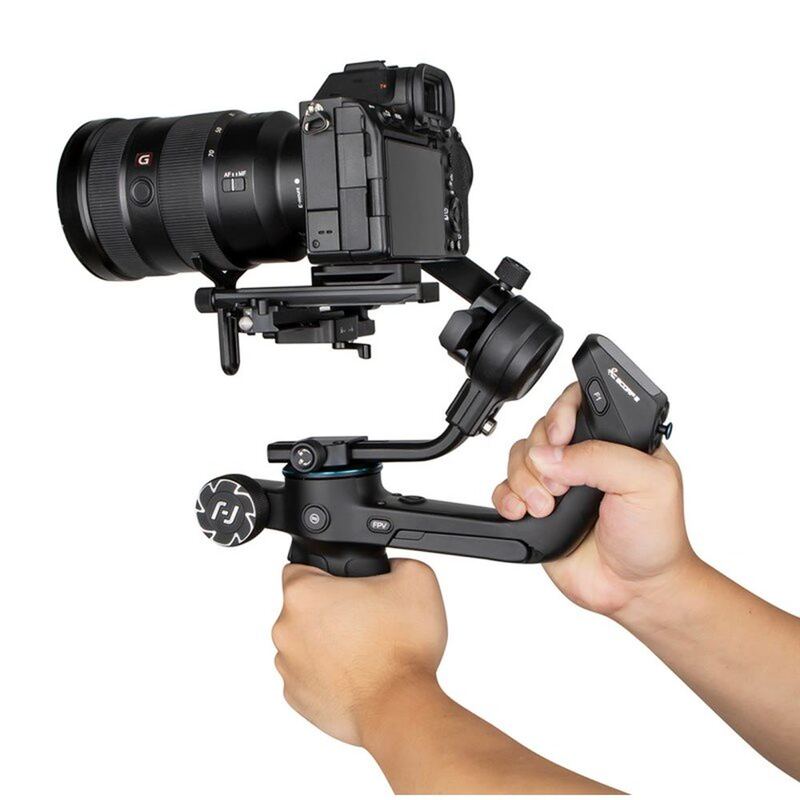
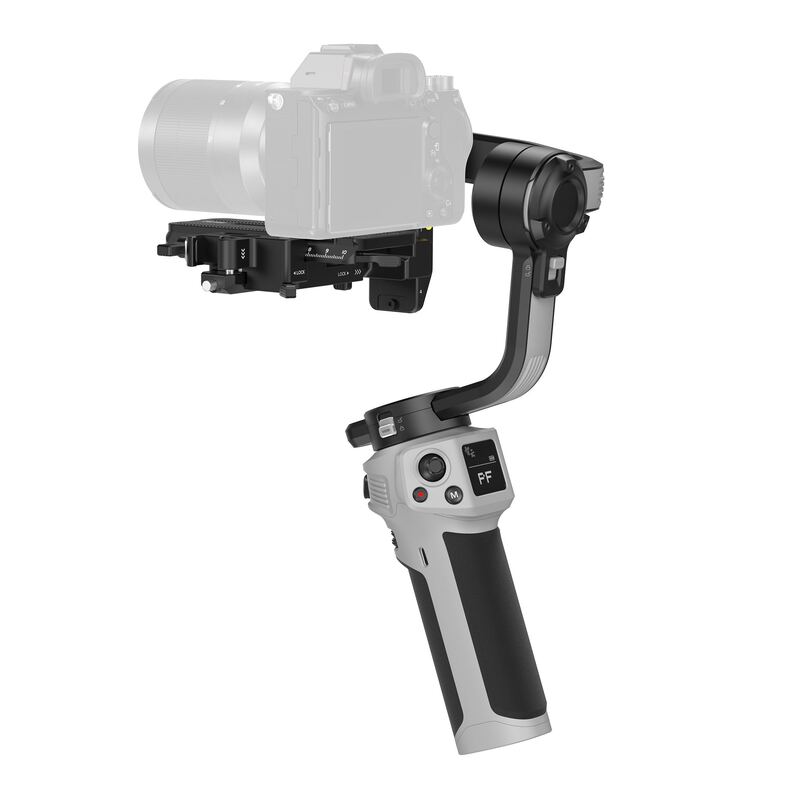
The DJI RS 4 Mini provides superior motor precision and app integration compared to the Zhiyun Weebill 3E, but it's significantly more expensive and offers less battery life. It also doesn't match the FeiyuTech SCORP 2 in terms of built-in AI tracking and dual-grip design, which the SCORP 2 offers for solo filmmakers.
Rating sources
Our 4.2 score is the average of the 7 scored reviews above; 1 more reviewed it without printing a score and is not in the average. More about methodology.