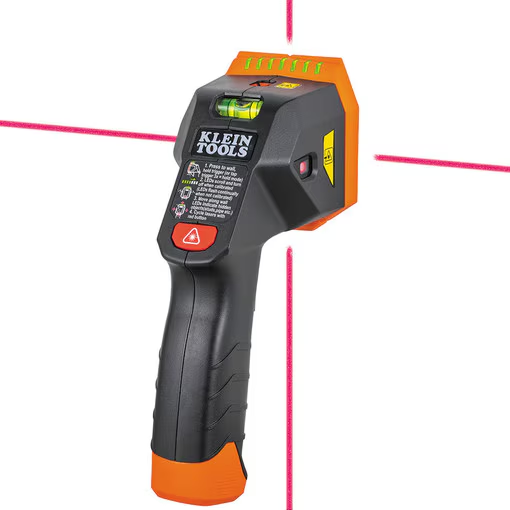
The Klein Tools ESF150LL Electronic Stud Finder with Cross-Line Lasers detects wood and metal studs up to 1-1/2 inches deep. Reviewers praised the dual cross-line lasers, which work independently or together, plus the clear LED indicators and the ergonomic body with wall-protecting felt pads. A hold mode keeps it scanning continuously, and a bubble level vial speeds up alignment. Users like the durability and accuracy, though some noted it needs calibration before each use and that scan depth trails higher-end models. Contractors and DIY enthusiasts who want a dependable tool for wall marking and installation tasks are the fit.
Full review
Seven sensors and a 1-1/2-inch scan depth
The ESF150LL uses a seven-sensor array to find wood and metal studs to a rated depth of 1-1/2 inches, lighting an LED bar that spans the width of the stud rather than making the user hunt for two edges and split the difference. An audible tone confirms a find and can be muted. It runs on two AA cells and weighs 16 ounces, heavy for a stud finder but comfortable enough in one hand, with felt pads that stop the body scuffing paint as it slides.
Cross-line lasers replace the pencil and level
The feature that separates it from a plain sensor is the pair of cross-line lasers, usable together or independently, which throw a horizontal and a vertical line onto the wall once a stud is found. For hanging a run of cabinets or a row of frames, that removes a separate level and a chalk line from the job. A bubble vial, a hold mode for continuous scanning and marking notches at the top and bottom of the housing round out the working parts.
Calibration before every scan, and only 1-1/2 inches deep
Two limits are worth knowing before buying. The tool wants calibrating against blank wall before each use, and skipping that step is the usual cause of a bad reading. The 1-1/2-inch depth is fine for standard drywall over wood studs but short of the deeper-scanning tools, so double layers, plaster over lath and dense sheathing are where it starts to miss. It also does not flag live wiring, which some competing scanners do.
$63.99 against the deep-scanning alternatives
Wirecutter rates it well and Pro Tool Reviews rather less so, and both positions are defensible: the lasers are genuinely useful and the detection itself is ordinary. At $63.99 it costs more than a basic magnetic or single-sensor finder and less than the multi-sensor tools that read a wide swath of wall at once. Anyone hanging things on plain drywall is really buying the lasers; anyone chasing studs behind awkward wall build-ups should spend more.
Strengths
- +Detects hidden wood and metal studs with auto deep scan up to 1-1/2-Inch
- +Features horizontal and vertical cross-line lasers usable together or independently
- +Includes bright LEDs spanning the stud width and audible alerts with mute option
- +Ergonomically designed with handheld grip and felt pads that protect walls during use
Watch-outs
- −Requires calibration prior to each use
- −Limited to 1-1/2-Inch scan depth
How it compares
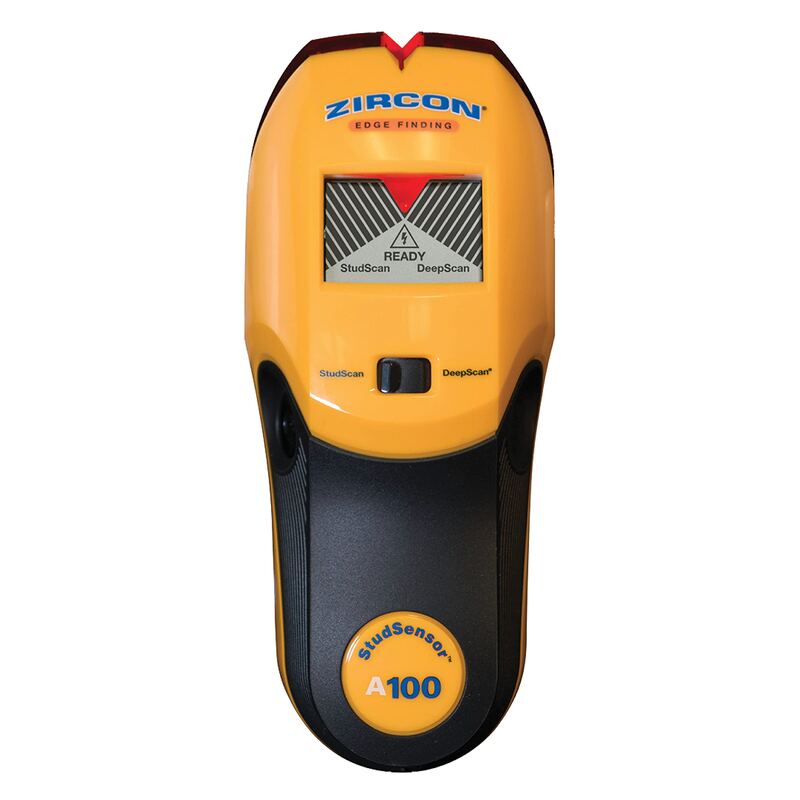
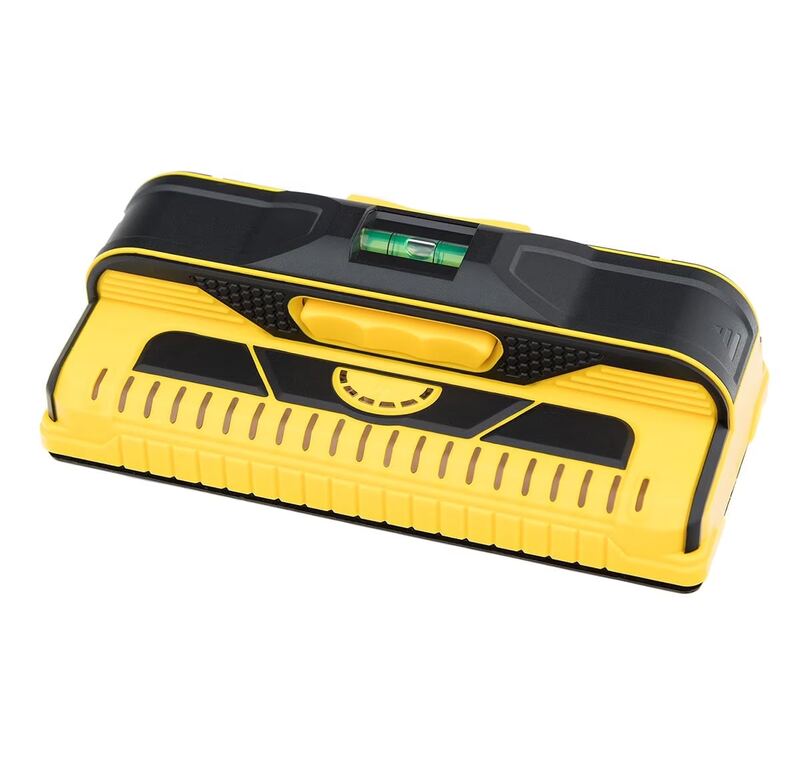
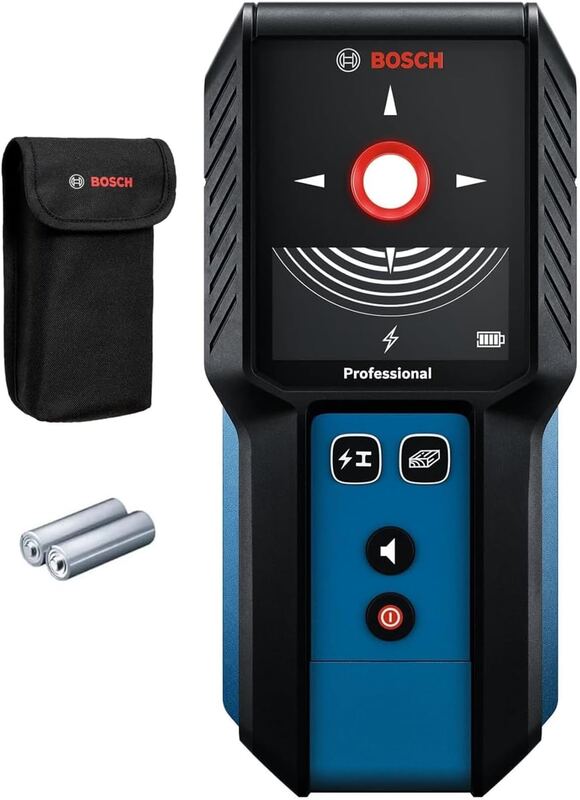
The Klein Tools ESF150LL's dual cross-line lasers and hold mode set it apart from the Zircon StudSensor A100 and C.H. Hanson 03040, which lack laser guidance. While the Franklin Sensors ProSensor M210 offers more sensors and the Bosch GMS120-27 detects more materials, the Klein ESF150LL provides superior visual alignment and ergonomic design. However, it requires calibration and has a limited scan depth compared to the ProSensor M210.
Rating sources
“For all of your mirror-hanging, TV-mounting, and general renovation needs, we recommend the C.H. Hanson 03040 Magnetic Stud Finder. It's durable, accurate, inexpensive, and easy to use.”
“Best Stud Finder According to Kenny Franklin M70/X700”
Our 4.0 score is the average of these published ratings. Ratings marked * were derived from the reviewer’s written analysis or video transcript — the publisher didn’t print an explicit numeric score, so we inferred one from their own words. Click through to verify. More about methodology.