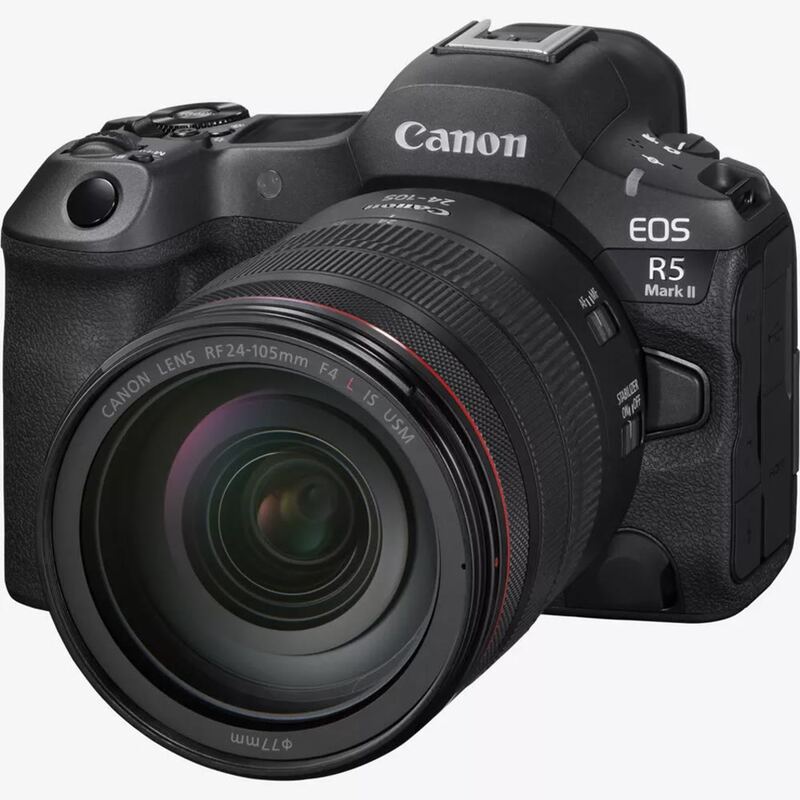
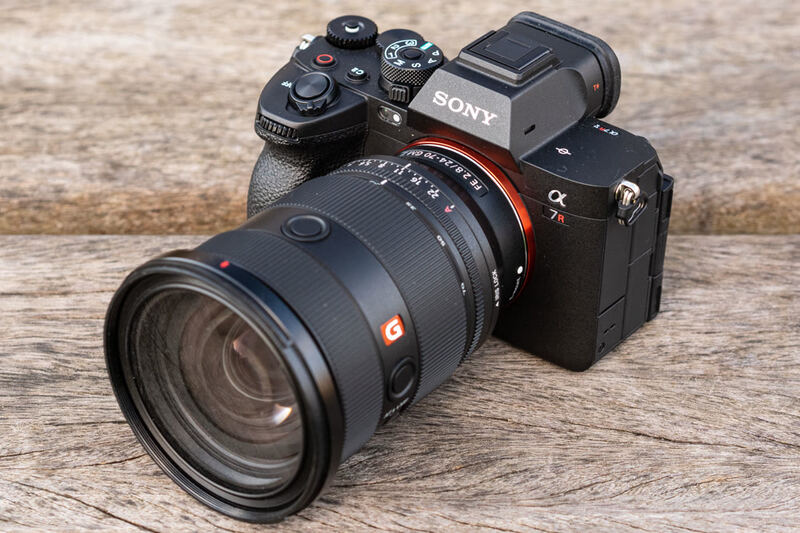
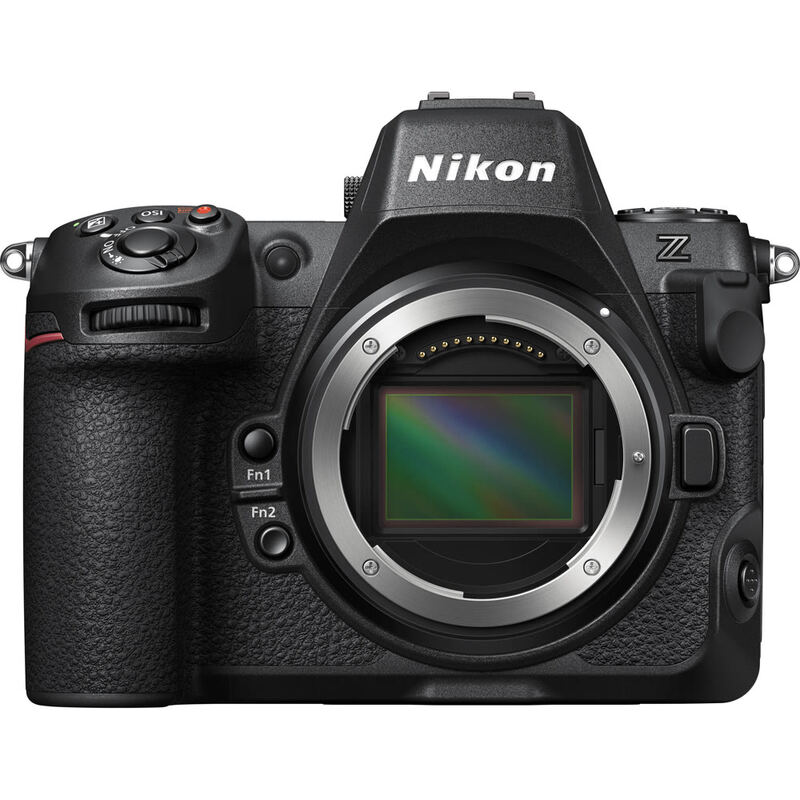
Sports and wildlife professionals are the audience for the Sony A1 II, which Tom's Guide rated 4.5/5 and PCMag 4/5. Stacked sensor, 30 fps burst, and AI subject detection add up to the fastest autofocus-and-capture combination on the market. Price is what keeps it off the default recommendation: at $6,500 you need to be shooting professional sports or wildlife for the extra $2,200 over the Canon R5 II or Nikon Z8 to pay off.
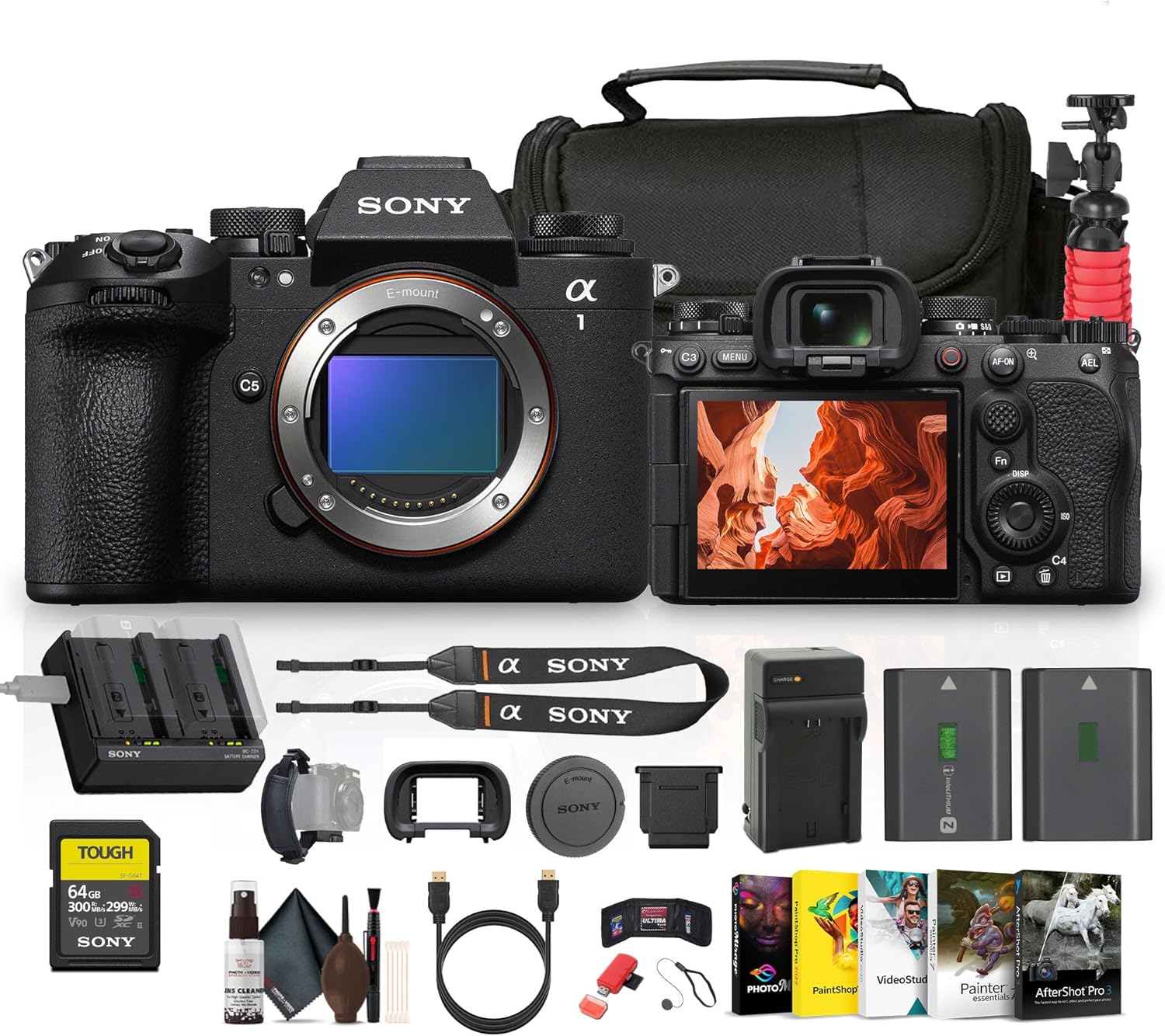
Full review
A dedicated AI chip and seven subject types
The headline change is a dedicated AI processing unit driving subject recognition. It handles seven subject types — people, animals, birds, insects, cars, trains and aircraft — and Sony has merged the animal and bird modes, so a mixed wildlife scene no longer needs a menu dive mid-shoot. Sony claims roughly 30 percent better human and animal eye detection than the original A1 and around 50 percent better for bird eyes. An Auto mode will pick the subject type itself, at a small cost in acquisition speed against naming the category yourself.
30 fps with pre-capture up to a full second
Continuous shooting runs to 30 fps with full autofocus and exposure tracking, and a speed-boost button jumps straight to it without touching a menu. Pre-capture buffers up to 30 frames from before the shutter is fully pressed, with the window configurable from 0.03 to 1 second. Above 20 fps with pre-capture active the camera drops to lossy compressed RAW rather than lossless, which is the compromise to understand before relying on it for a paid shoot.
The same 50.1-megapixel stacked sensor as the A1
The sensor is the same 50.1-megapixel stacked BSI CMOS as the original A1, with the same 100 to 32,000 native ISO range expanding to 50 and 102,400. Processing is newer, and the gains show up mostly in out-of-camera JPEGs rather than in RAW files. Readout speed remains the real point: rolling shutter is close to absent, which is what a stacked sensor buys and what makes 30 fps electronic shooting usable on genuinely fast subjects.
8K at 30p, but 4K without the oversample
Video tops out at 8K 30p oversampled from an 8.6K readout, with 4K 120p at a 1.13x crop. The 4K modes are not derived from the full 8K readout, so they do not carry the extra detail oversampling would give — a real omission on a camera at this price. Up to 16 custom LUTs can be loaded for monitoring Log footage and embedded into the files, which makes handing material to a colourist considerably less painful.
8.5 stops of stabilisation and a tilt-out screen
In-body stabilisation is rated at 8.5 stops in the centre of the frame and 7 at the edges, up from 5.5 on the original. The rear screen is now fully articulated on a tilt-out cradle instead of fixed, the viewfinder is a 9.44-million-dot panel refreshing up to 240 fps, and the grip borrows the A9 III layout. Storage stays dual CFexpress Type A and SD UHS-II, and the body weighs 743 grams.
No global shutter, unlike the A9 III
What it does not have is a global shutter, which the A9 III does, and for photographers whose priority is flash sync and absolute freedom from distortion that omission decides the purchase. The A1 II is a refinement of a camera already at the top of its class rather than a new one, and the price asks buyers to value that refinement very highly indeed.
Strengths
- +50 MP stacked BSI CMOS sensor with the fastest readout of any camera here — essentially zero rolling shutter
- +30 fps RAW burst with full AF/AE tracking plus pre-capture
- +8.6K/30p and 4K 120p 10-bit video with AI-driven subject recognition including birds in flight
- +Redesigned grip with the A9 III control layout — the best handling Sony has shipped
- +Dual CFexpress Type A + SD slots; rated to IP-grade dust/moisture sealing for field work
Watch-outs
- −$6,500 MSRP — by far the most expensive camera on this list, nearly 2× the Panasonic S1R II
- −Incremental upgrade from the original A1 — reviewers noted it's more 'refinement' than 'revolution'
- −Heavy at 743g — the A7R V at 723g or the Nikon Z8's similar weight make that less of a differentiator
How it compares
The do-everything flagship — 50MP at 30fps — but by far the most expensive here.
Rating sources
Our 4.3 score is the average of these published ratings. More about methodology.