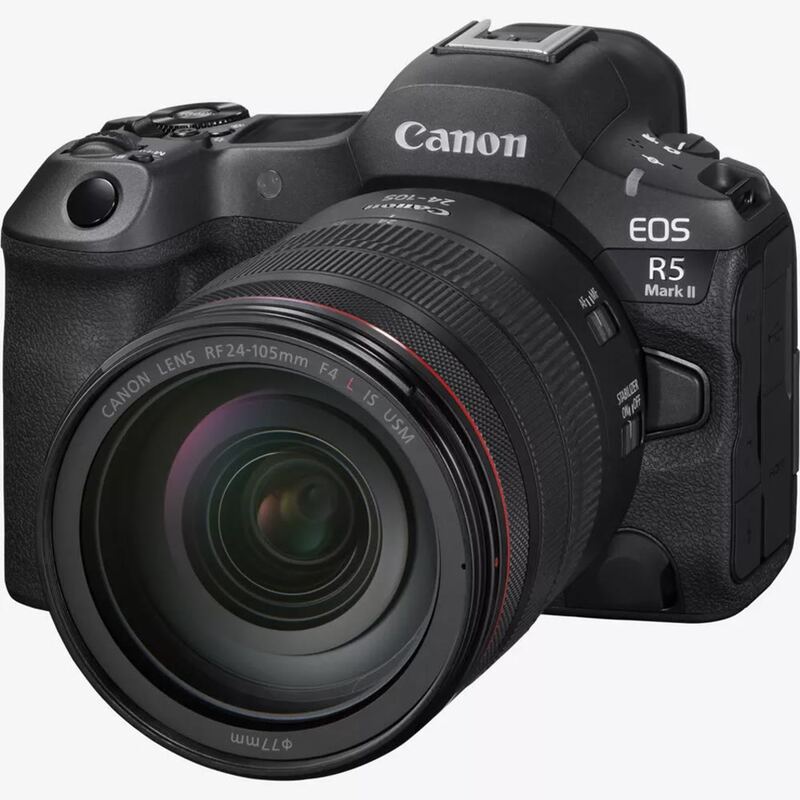
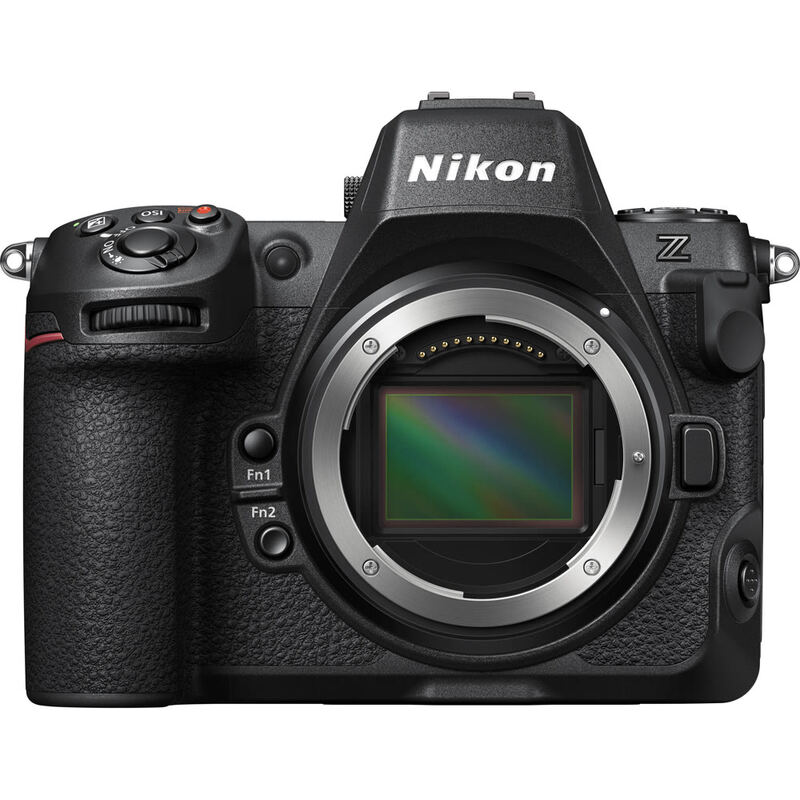
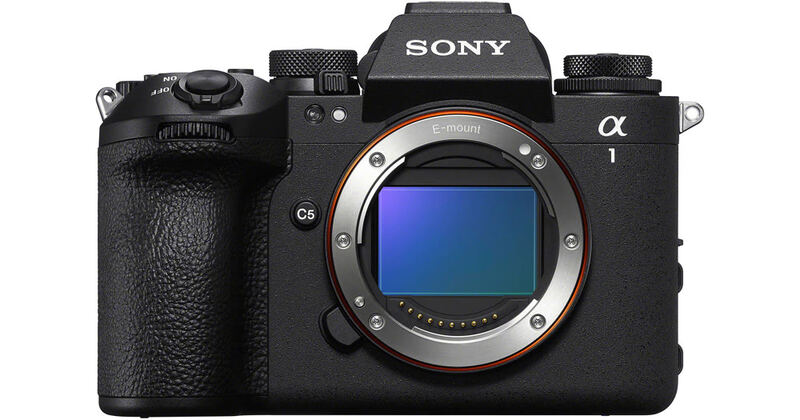
Resolution is the whole argument for the Sony A7R V: 61 MP paired with Sony's best AI-assisted autofocus. Tom's Guide and TechRadar both landed on 4.5/5. If you shoot landscapes, fashion, or commercial work where resolution comes first, nothing else in this price bracket comes close. The sensor isn't stacked, though, so fast-action sports still belong to the Z8 and A1 II.
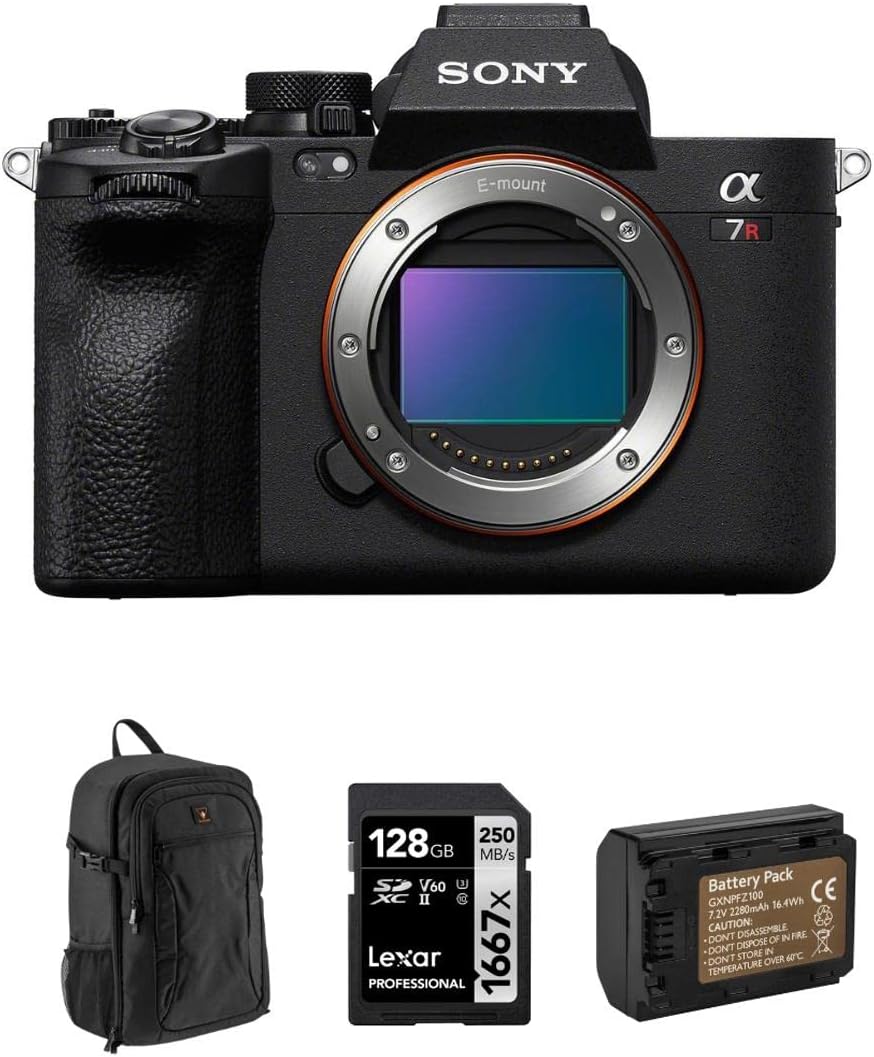
Full review
61 megapixels, and what that costs you
The A7R V is built around a 61MP back-illuminated CMOS sensor, the highest resolution of any body in this comparison, and every other design decision follows from it. For landscape, studio and commercial work where you crop hard or print large, nothing at this price competes. Files are correspondingly heavy, and the reduced-resolution RAW modes exist precisely because the full-size files slow an edit down.
A dedicated AI unit driving subject recognition
Sony added a separate AI processing unit whose only job is recognizing what is in the frame: humans, animals, birds, insects, cars, trains and aircraft, each with its own mode and its own tracking sensitivity. Eye detection holds through partial occlusion and difficult light, and the responsiveness is the biggest practical change from the previous generation.
Not a stacked sensor, so rolling shutter shows
Readout speed is the limitation. The sensor is not stacked, so the electronic shutter skews fast-moving subjects and quick pans, which rules out silent shooting anywhere the distortion would be visible. Burst suffers too: full autofocus and exposure tracking come at 7 fps on the mechanical shutter, and the buffer takes roughly 26 compressed RAW frames before it slows.
8 stops of stabilization and a four-axis screen
In-body stabilization is rated to 8 stops, Tom's Guide reports, which is what makes handheld work at 61MP realistic where earlier bodies punished any wobble. The rear screen combines a vertical tilt with full articulation, so high and low angles do not require contorting a wrist. The larger viewfinder is the other ergonomic change people notice immediately.
8K 24p and 4K 60p, with a crop
Video is capable rather than central: 8K at 24p and 4K at 60p, recorded 10-bit internally. The 4K 60p mode applies a 1.24x crop, which costs wide-angle framing, and the same slow readout that limits stills shows up as rolling shutter in motion. Hybrid shooters who weight video heavily are better served elsewhere in Sony's line, as TechRadar points out.
Tom's Guide and TechRadar both landed on 4.5
Both cited reviews rate the A7R V 4.5 out of 5, and their reservations line up: a superb stills camera compromised for speed and video. Dual card slots take CFexpress Type A or UHS-II SD, which keeps existing media usable while allowing the faster format for the sessions where the buffer actually matters.
Strengths
- +61 MP back-illuminated sensor — highest resolution in this list by a wide margin, ideal for landscape and commercial work
- +AI Processing Unit drives human/animal/bird/vehicle/insect subject recognition with dedicated neural-network silicon
- +8K 24p, 4K 60p 10-bit internal — more than enough for stills shooters who need occasional video
- +4-axis multi-angle LCD is unique on this list — TechRadar notes it combines vertical tilt with articulating design
- +Dual SD + CFexpress Type A slots — flexible media options
Watch-outs
- −Rolling shutter is noticeable when panning fast subjects — not a stacked sensor like the A1 II or Nikon Z8
- −Buffer fills quickly at 61 MP + burst — ~26 compressed RAW before slowdown
- −No 10 fps with full AF/AE tracking — drops to 7 fps with mechanical shutter
How it compares
The resolution king at 61MP with Sony’s best AI AF; lower burst speed than the stacked-sensor bodies.
Rating sources
Our 4.5 score is the average of these published ratings. More about methodology.