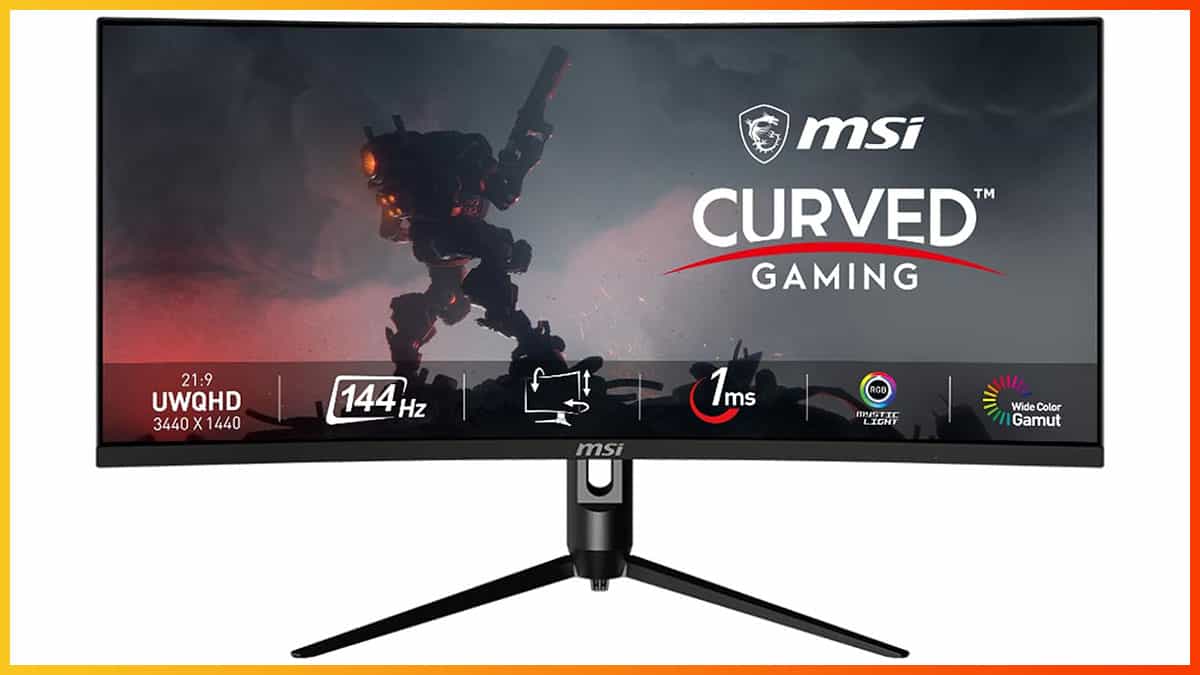
At 34 inches and 3440x1440, the MSI Optix MAG342CQR is a budget curved ultrawide built for gaming, with a 144Hz refresh rate, 1ms response time, and the deep blacks a VA panel provides. Colors are vibrant and the image is sharp. HDR is limited by the absence of local dimming, and viewing angles show slight color shifts next to IPS alternatives.
Full review
Panel and Image Quality
The Optix MAG342CQR pairs a 34-inch VA panel with a 3440x1440 UWQHD resolution, and the panel choice defines its character. VA's headline strength is contrast: MSI rates it at 4000:1 static, roughly four times what comparable IPS ultrawides manage, so blacks look genuinely deep and shadow detail has weight that IPS rivals can't match in a dark room.
Color coverage lands around 90% DCI-P3, giving saturated, punchy output well suited to games and media. The trade-off is the usual VA caveat: gamma and saturation shift slightly as your eye moves off-center, more noticeable on a wide 34-inch panel than on a smaller screen. The monitor accepts an HDR signal, but without full-array local dimming its HDR is presentational rather than transformative, brightening highlights without true high-dynamic-range impact.
Gaming Performance
For its budget positioning the MAG342CQR is well-specified for gaming. It runs at 144Hz with a rated 1ms response time and supports adaptive sync to keep frames tear-free across the variable-refresh range, working with both AMD and NVIDIA GPUs in practice.
The 1ms figure is MSI's best-case MPRT-style rating; like most VA panels, real gray-to-gray transitions are slower than the marketing number, and dark-scene pixel transitions can show smearing during fast motion, a long-standing VA weakness. Even so, the 144Hz ceiling and adaptive sync deliver a fluid, responsive feel for the price, and the deep native contrast pays off in atmospheric, dimly lit titles.
Design, Connectivity, and Who It's For
MSI gives the MAG342CQR an aggressive 1500R curve, tighter than the 1800R and 1900R curves of several rivals, which wraps the panel more snugly around the viewer. The stand is a strong point at this price, offering tilt, swivel, height, and pivot adjustment, and rear RGB lighting adds the expected gaming flourish.
This is the value play of the group. It pairs strong VA contrast, a sharp 21:9 image, and a 144Hz gaming-grade refresh rate at a price that undercuts the IPS and OLED competition substantially. It's the right pick for a budget-minded gamer who prioritizes deep blacks and smooth motion and is willing to accept VA's viewing-angle shift and merely nominal HDR in exchange.
Strengths
- +Delivers deep, inky blacks with a 4,000:1 static contrast ratio typical of VA panels, per Display Ninja
- +Offers a 144Hz refresh rate and 1ms response time for smooth, fluid gaming motion
- +Provides a 3440x1440 resolution with 21:9 ultrawide format for immersive gaming and productivity
- +Covers 90-92% of the DCI-P3 color gamut for vibrant and saturated colors
Watch-outs
- −Lacks full-array local dimming (FALD), resulting in improper HDR performance, according to ScreenResolutionTest
- −Exhibits minor gamma and saturation shifts at certain viewing angles compared to IPS panels, as Display Ninja notes
How it compares
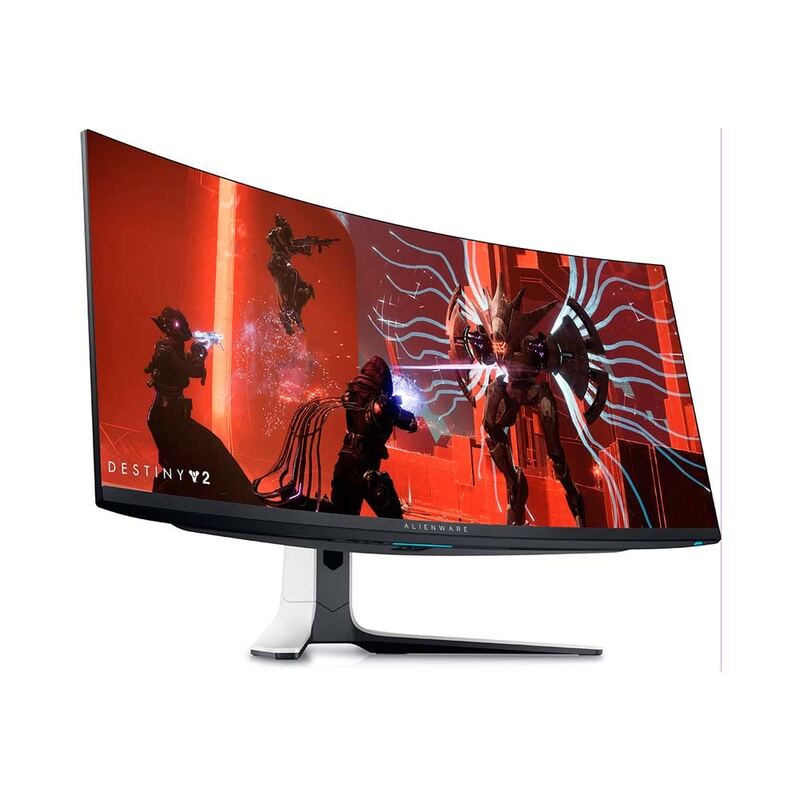
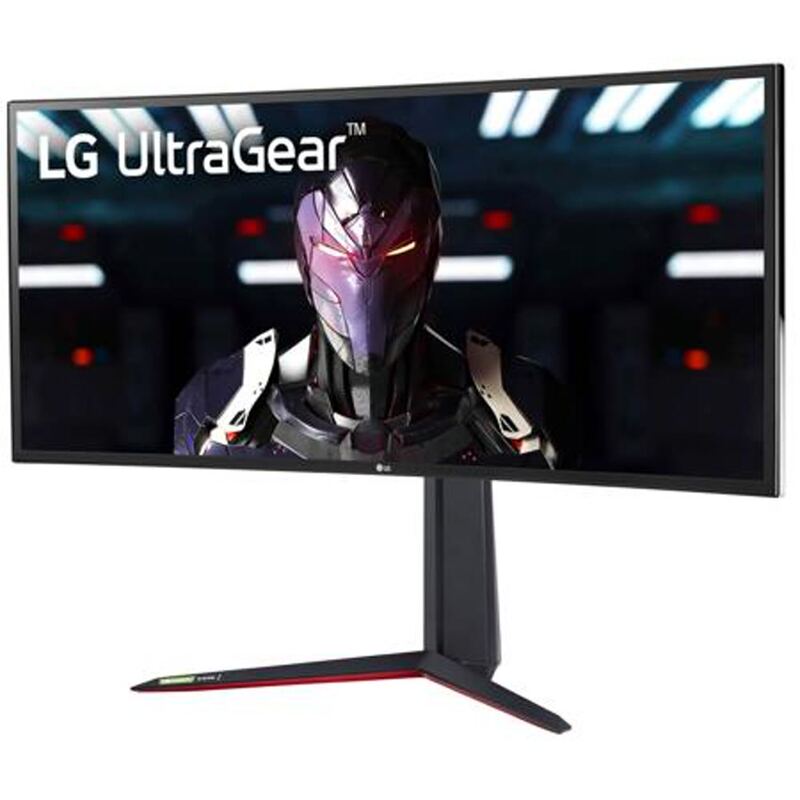
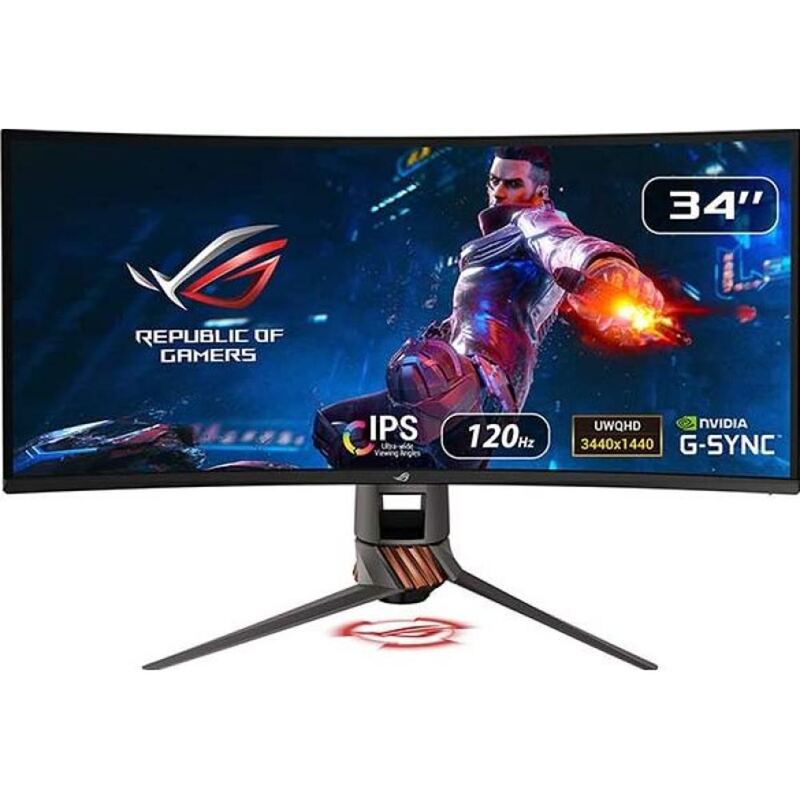
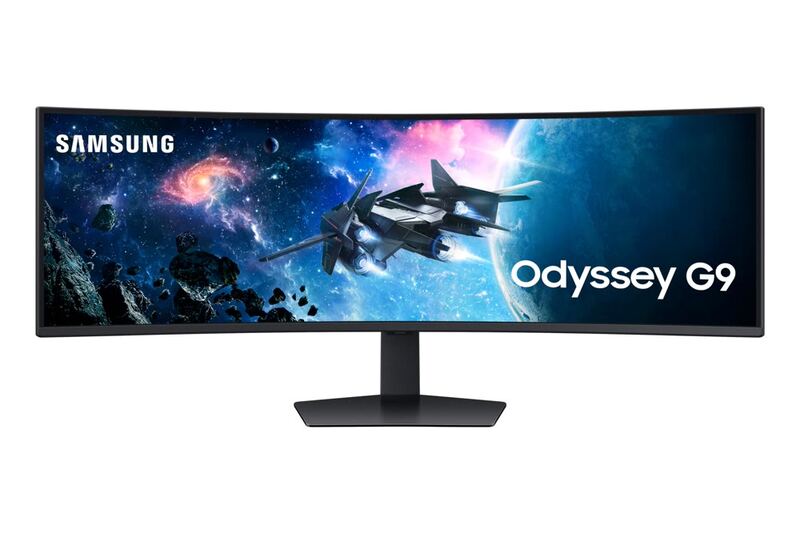
The MSI Optix MAG342CQR stands out by delivering deep, inky blacks via its VA panel, a significant advantage over the washed-out contrast of the IPS-based LG 34GN850-B and ASUS ROG Swift PG349Q. While it lacks the infinite contrast of the Dell Alienware AW3423DW and the extreme size of the Samsung Odyssey G9, it provides a cost-effective alternative that balances deep blacks with a 144Hz refresh rate for budget-conscious gamers.
Rating sources
Our 4.5 score is the average of these published ratings. More about methodology.