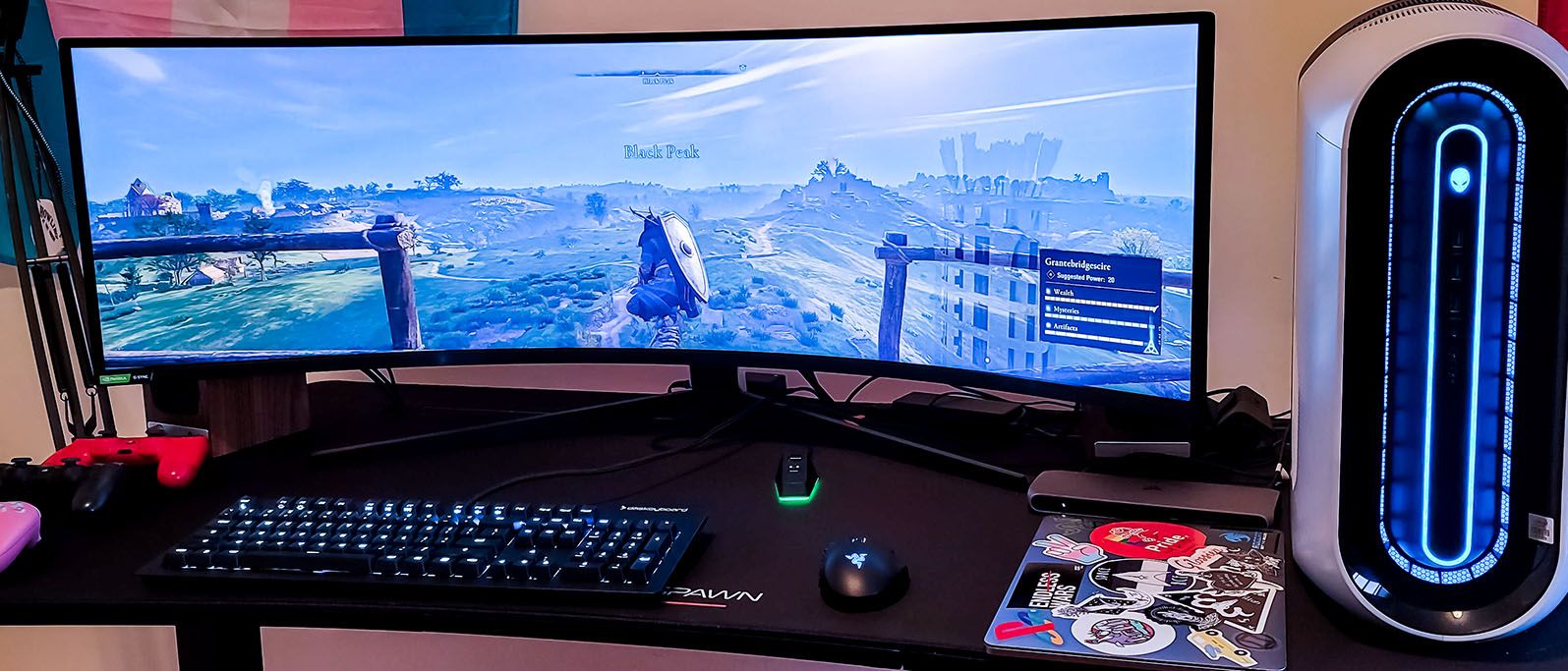
A 49-inch 1000R curved screen running at 240Hz makes the Samsung Odyssey G9 about as immersive as a monitor gets, which is why, as PCMag notes, sim racing and flight sim enthusiasts gravitate to it. Its enormous size demands a dedicated setup, and the premium price limits it to the most committed gamers with the budget and the desk space to match.
Full review
A 49-Inch Super-Ultrawide Panel
The Odyssey G9 is in a different class of size from the rest of this group: a 49-inch 32:9 super-ultrawide with a 5120x1440 resolution, effectively two 27-inch 1440p monitors fused into one seamless panel. The format fills your peripheral vision in a way no 21:9 display can, and it's particularly suited to sim racing and flight simulation where the extra horizontal span maps directly to the cockpit view.
Image quality comes from a VA panel with Samsung's QLED quantum-dot layer, delivering saturated color around 95% DCI-P3 and the deep native contrast VA is known for. It carries VESA DisplayHDR 1000 certification with local dimming, so highlights can punch hard and HDR has real impact, the clear advantage of this panel over the basic DisplayHDR 400 LCDs here. As with any VA, expect some viewing-angle shift, though the aggressive curve keeps your eyes more consistently on-axis.
Gaming Performance
The G9 backs its scale with a blistering 240Hz refresh rate, the fastest in this group and rare for a panel this large, paired with a rated 1ms gray-to-gray response. Driving 5120x1440 at 240Hz over DisplayPort 1.4 is demanding, so a strong GPU is needed to make full use of it, but the result is exceptionally fluid motion across the enormous canvas.
Adaptive sync is comprehensive: the monitor is certified AMD FreeSync Premium Pro and NVIDIA G-Sync Compatible, with both working at 240Hz including with HDR enabled. As with other VA panels, dark-scene pixel transitions can lag the headline response figure and show some smearing, but for the immersion-first gaming this display targets, the speed and variable-refresh support are more than sufficient.
Design, Connectivity, and Who It's For
The defining design element is the extreme 1000R curvature, the tightest curve here, engineered to match the curvature of human peripheral vision so the far edges of the 49-inch panel stay readable. The flip side is sheer physical bulk: the G9 demands a deep, wide desk and a robust mounting surface, and its footprint dwarfs every 34-inch monitor in this comparison.
This is a specialist's monitor at a premium price. It's the standout choice for sim racers, flight-sim pilots, and anyone who wants maximum horizontal immersion or a productivity surface as wide as two displays without a bezel down the middle. For buyers with limited desk space, a tighter budget, or who simply want a conventional 21:9, one of the 34-inch options will be the more practical fit.
Strengths
- +Massive 49-inch 32:9 curved display creates an incredibly immersive gaming experience
- +Ultra-fast 240Hz refresh rate ensures smooth motion with minimal blur
- +1000R curvature matches the natural field of view for deep immersion
- +High brightness and contrast ratios deliver vibrant colors and sharp details, according to PCMag
Watch-outs
- −Extremely large footprint requires a very deep desk and significant wall space, per TechRadar
- −High price point makes it inaccessible for most budget-conscious gamers, as TechRadar notes
How it compares
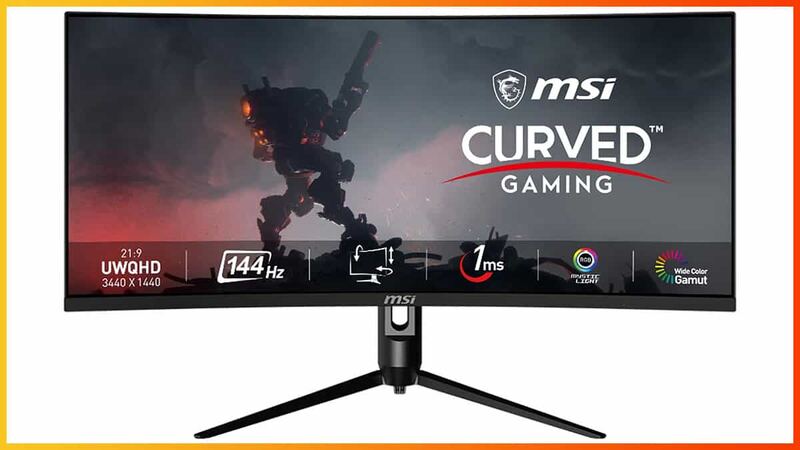
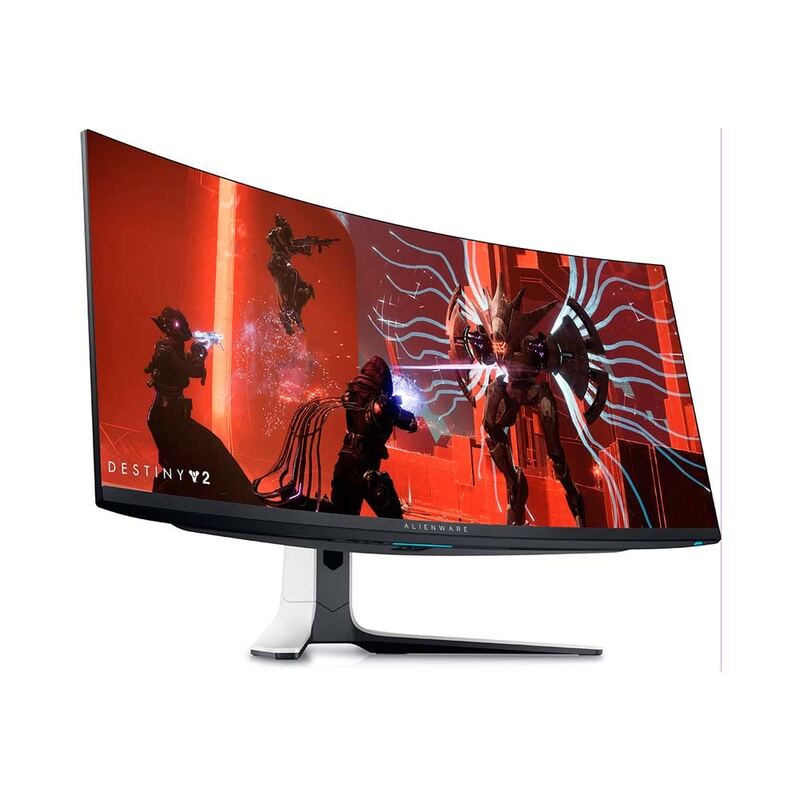
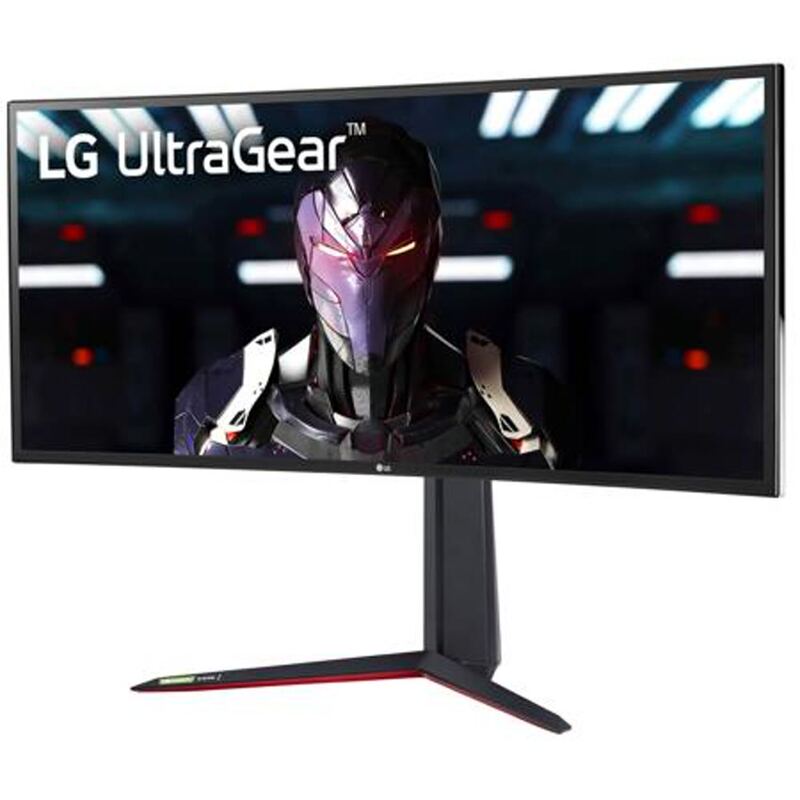
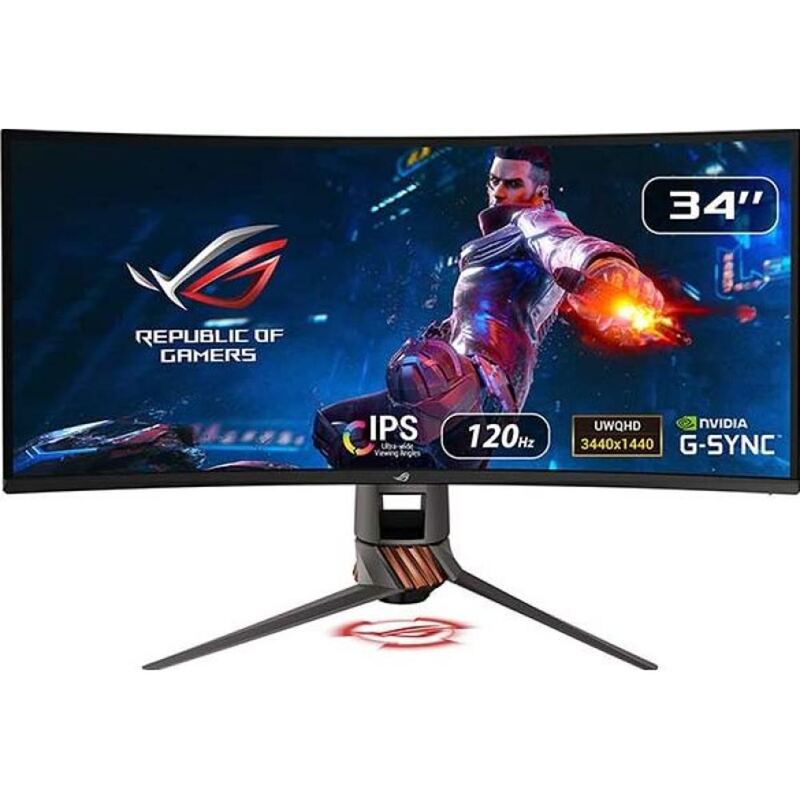
The Samsung Odyssey G9 dominates the list with its massive 49-inch 32:9 format and 240Hz refresh rate, offering an immersion level that the 34-inch models like the LG 34GN850-B and Dell Alienware AW3423DW simply cannot match. However, its enormous physical size and premium cost make it impractical for buyers who would be better served by the more compact and affordable MSI Optix MAG342CQR or the standard ultrawide form factor of the ASUS ROG Swift PG349Q.
Rating sources
Our 4.1 score is the average of these published ratings. More about methodology.